
The Art of Colour: In the Studio with Erin Green
Take a trip inside makeup artist Erin Green’s world of textural exploration, aural atmosphere and expressive references.
Read more
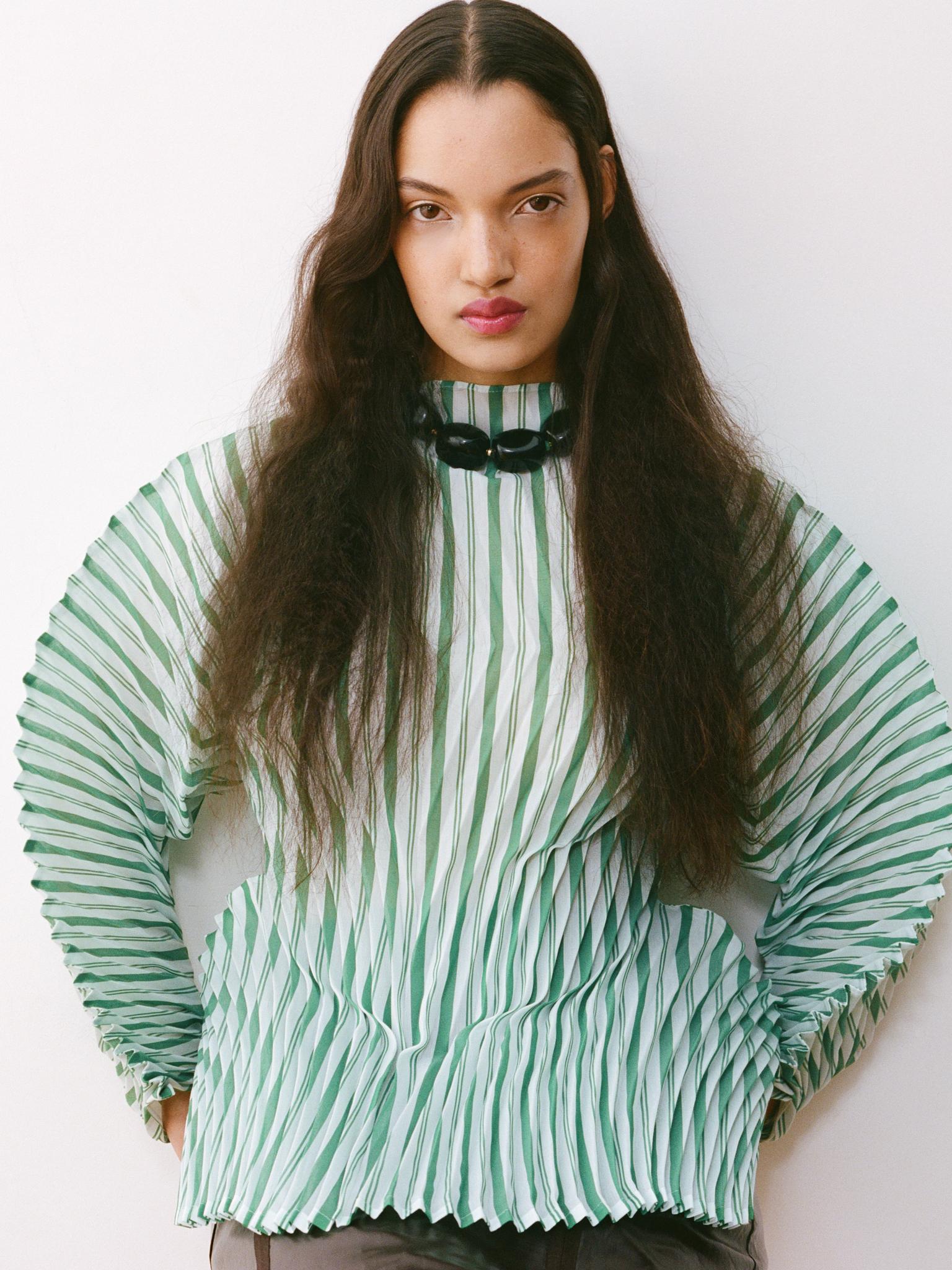
The Art of Colour: In the Studio with Erin Green
Take a trip inside Erin Green’s world of textural exploration, aural atmosphere and expressive references, as the makeup artist and creative behind The Art of Colour shares a glimpse into her artistic process.
Toronto-born makeup artist, Erin Green, didn’t follow a typical path into her industry. Growing up, it was music, journalism and photography that sparked her early creative inclinations – rather than a preoccupation with lipstick, gloss and glamour.
A self-professed tomboy as a teen, the world of makeup and its artistry came to Green by chance, with an off-the-cuff job in LA doing the makeup for a music video. “When I started out, I thought, just, “wow, this is fun”,” says Green.
It is, perhaps, this unconventional entrance that sets the tone for Green’s work today, which is equal parts makeup expertise and refined artistry – using skin as a canvas for her work, compositions informed by intense multimedia research and artistic theory, focusing on colour, texture and impact.
Now based in Hackney, Green’s process sees her traverse the shelves of Central Saint Martin’s renowned library, through worlds of photography, sculpture, texture and Japanese colour theory in the creation of her unique viewpoint.
As she turns her brushes to Liberty’s The Art of Colour – a playful celebration of the Beauty Hall’s finest, most innovative names in makeup – Liberty sat down with Green to explore her process, her inspirations and her pursuit of artistry through colour.
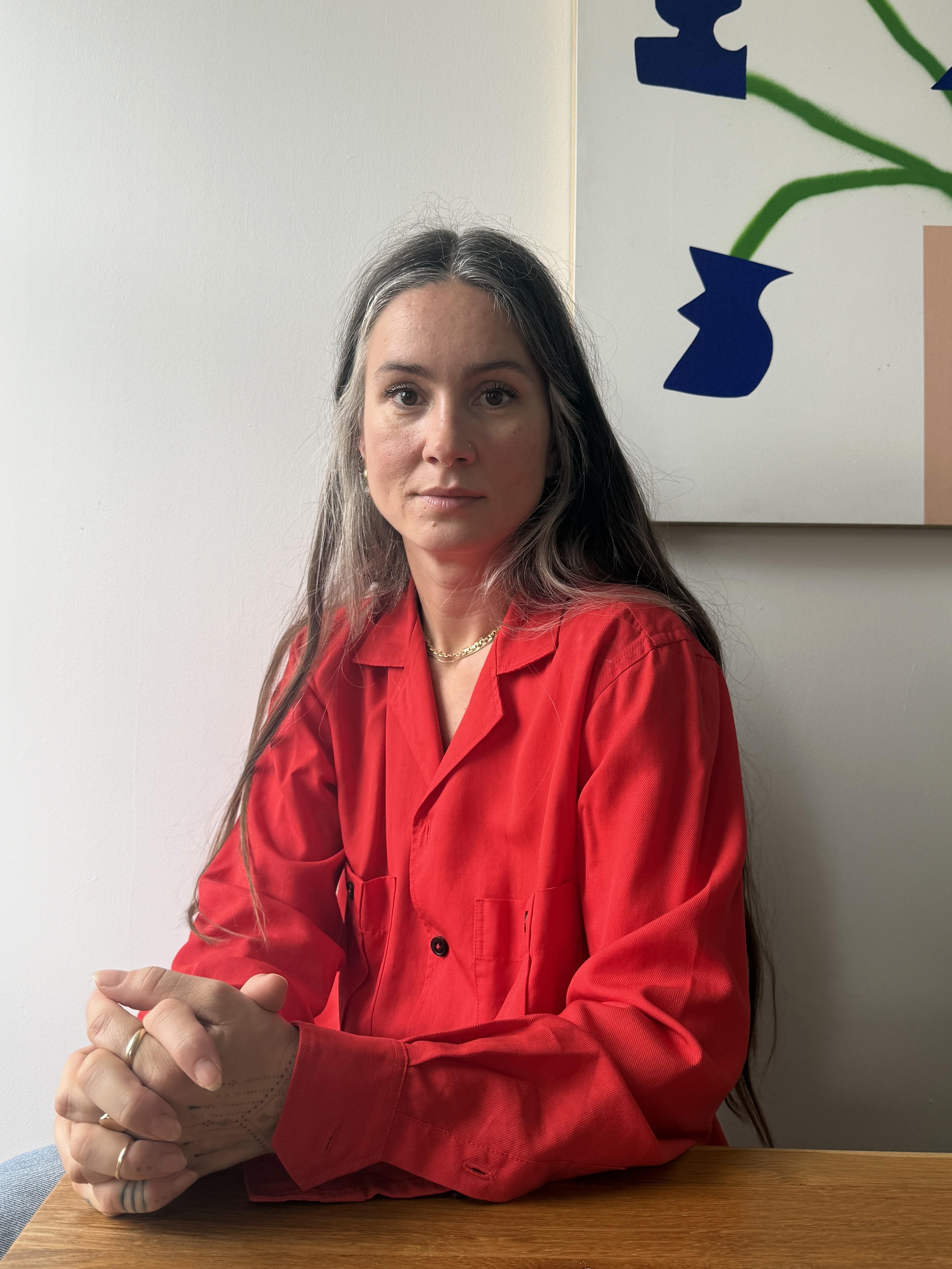
Read More: The Art of Colour: Modern Makeup Defined
How did you get into being a makeup artist? What was your path into this world?
I was living in LA when I started out, and I had just finished touring with bands. A friend of mine knew a guy who did production for music videos, who needed a makeup artist for his next shoot. And I was like, excellent. Sign me up.
For a while, I was worked on music videos, doing tests and trying really crazy outlandish makeup on friends, but when I moved to New York from LA, I started pursuing hair instead. I spent some time assisting hair on fashion shows, but I was always looking back over at the other side, the makeup side, and knew I needed to go back to doing that. It was calling to me more.
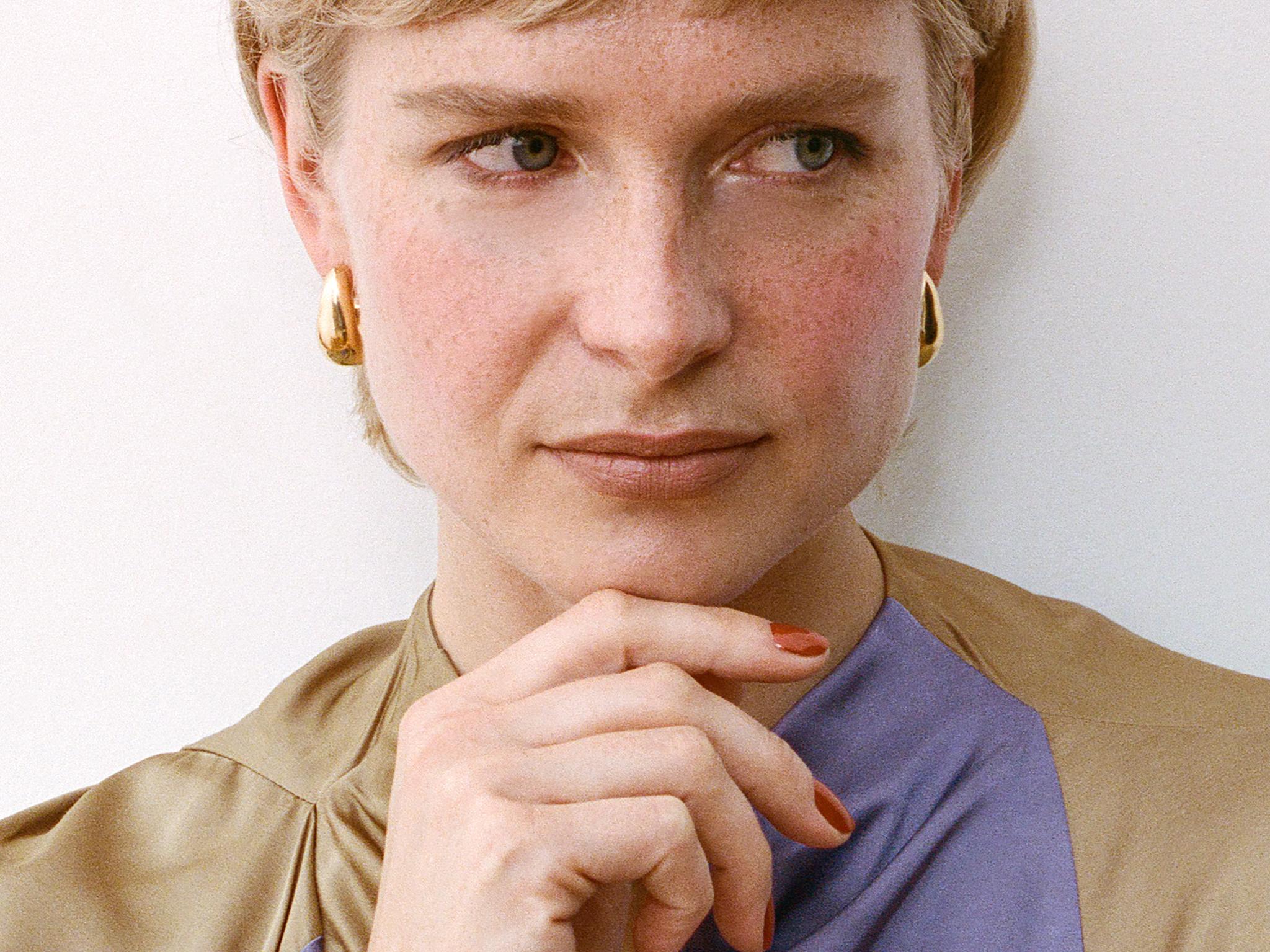
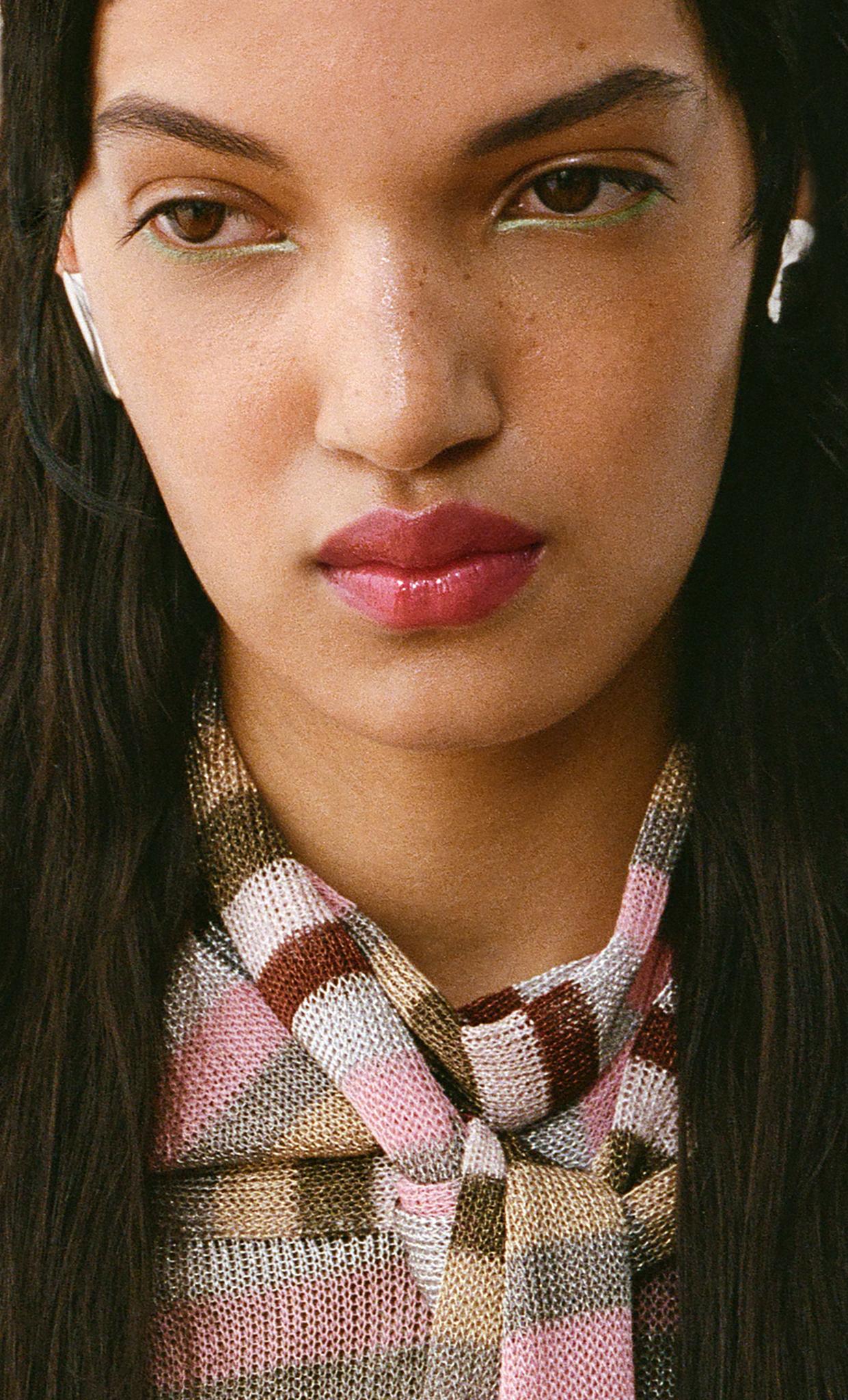
Makeup and art direction by Erin Green
Would you say you were creative when you were growing up?
I've always been very musically immersed. A lot of my friends work in music, and my husband is a musician. When I was a little girl, I wanted to be a photojournalist, then a photographer. I had these dreams, but I never really knew you could be a makeup artist. It had never occurred to me. When I first went into makeup, social media wasn’t blowing it up as a career in the way it does today. I felt like I had stumbled on something amazing, it was a surprise.
When you first started working in makeup, what did you find so appealing? The visual side feels like it was important for you.
Definitely. I really like touching things with my hands. I like using my hands to manipulate things. I like perfecting things. The tactile part of it is what's really exciting for me. Every texture is different and every surface brings something different. It's a puzzle. How do I make it look the way I want it to with all these new elements?
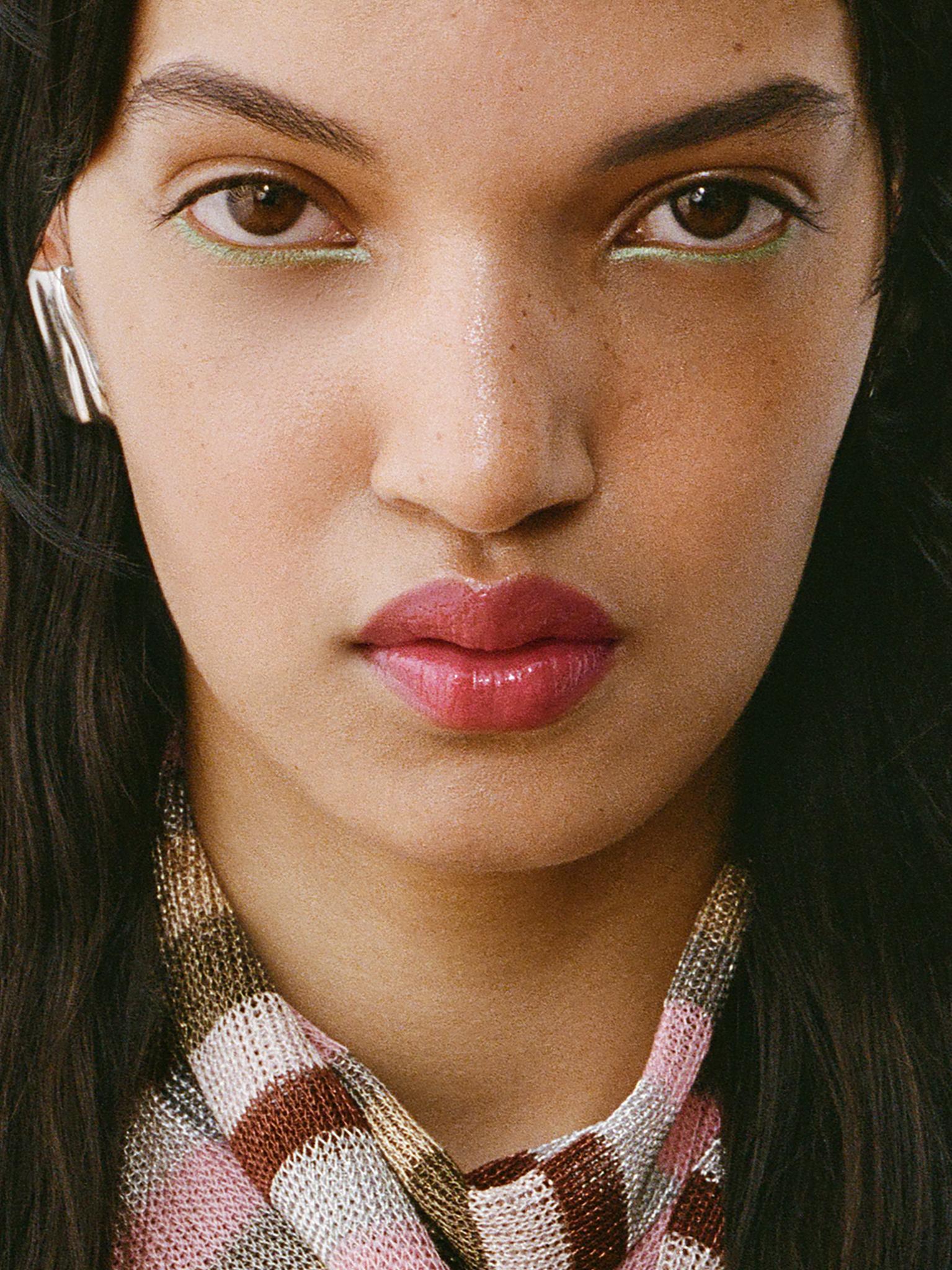
Makeup and Art Direction by Erin Green
And in terms of aesthetics, what were some early influences on your work?
When I started, the trends were very minimal. Everything was simple. Really clean skin. Very little colour. Everything was subdued. Because that's when I became super excited about it, that's an element I kept in my work. Even when I’m working with bold colours or shapes or graphic lines, I try to maintain some element of simplicity and elegance. If that is there, the other thing feels more elevated.
Music sounds like it is very important to you creatively, how does that influence your work?
I'm really sensitive to sound. My husband is really sensitive to sound, and we've been together almost 15 years, so I've adopted his ear.
When I am working or when I want to be efficient, I try to set myself up for success. It's a formula for me. Maybe it's ambient soft music. Maybe it's soft house music. Maybe it's techno. Maybe it's something from my childhood, like a Radiohead album from the late nineties. I can use it to manipulate what I want from myself.
Are there any artists or photographers that inspire you time and again?
Claude Cahun, who did a lot of self-portraiture and character role play; Gillian Wearing for her character building; and Carolee Schneemann, an American performance artist who is totally bananas but incredible: she utilised herself in her work.
I’m really into documentary-style portraiture too. There’s a book called Les Amies de Place Blanche by Christer Strömholm. He immersed himself in a trans sex worker community in Paris in the 1960s and lived with them for three years. The portraits are absolutely stunning.
Nan Goldin is a really big photographer for me. Her work is super intense and emotionally driven. You can feel the energy of the surroundings. Then Walter Pfeiffer — I have a copy of his scrapbooks. Thomas Ruff — who created beautiful clean portraits cut off at the shoulder with a pale white wall behind. I've pulled a few from him for The Art of Colour project.
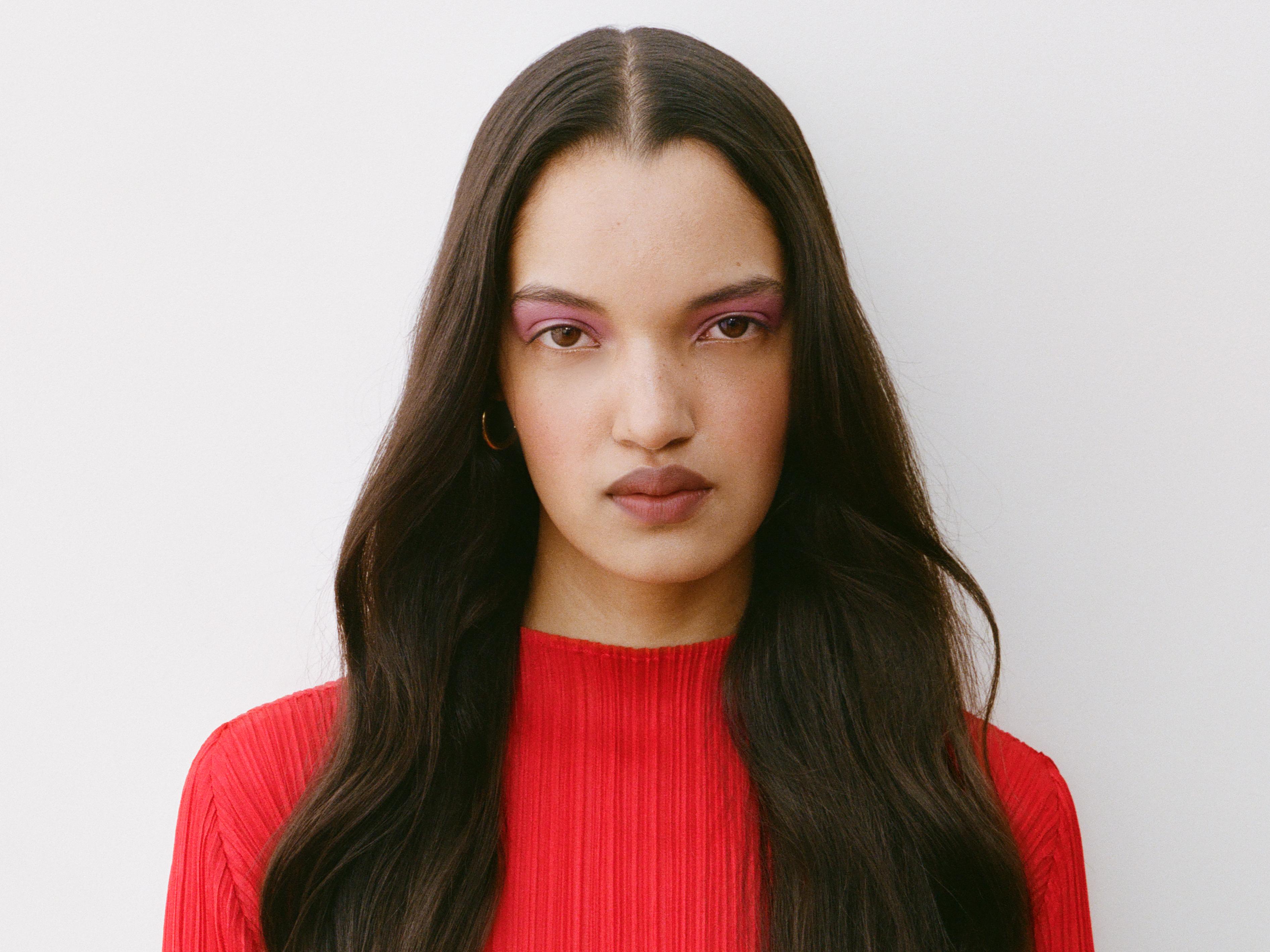
Makeup and Art Direction by Erin Green
With all that in mind, your process when you start working on a campaign?
I go to the Central Saint Martin’s library pretty often. If I'm working on a project, I'm doing art direction on, then I broaden what I'm looking at because it's not only makeup references. I'm looking for crop, mood, energy, lighting, hair, the kind of model. It broadens.
I also have a nice collection of books at home that I pull from. Some I've had for years and some are newer. Some are quirky and weird, and some are more straightforward. I'll sit and start flipping through the books and see what I'm drawn to in the moment. I try to be loose about it to see instinctually where I gravitate.
When it comes to products and brands: texture is important, colour is important, and a brand’s identity is important. I like to have structure when concepting, and the brand identity is one way it's structured. I'm always trying to find an equal balance of blending those things together.
Once you've got your ideas down, how do you test products you're working with?
I want to know what it feels like and what it does with the skin beforehand. I don’t test on myself, not my own face. I don't get the same experience when I do makeup on myself. I can't see myself with my eyes. The diffusion of a mirror in between kills it for me. I like to do it on somebody else.
I use my hands for the texture, or where maybe the pores are a little different on my arms. I sometimes test on my face just to see colour or a shape or something. When I've done shows or big looks for shoots and wanted to test them before to make sure I wasn't being too crazy, I've done it on my assistant. Or for shows, we can bring in models to come in and do the tests and have a bit of a play.
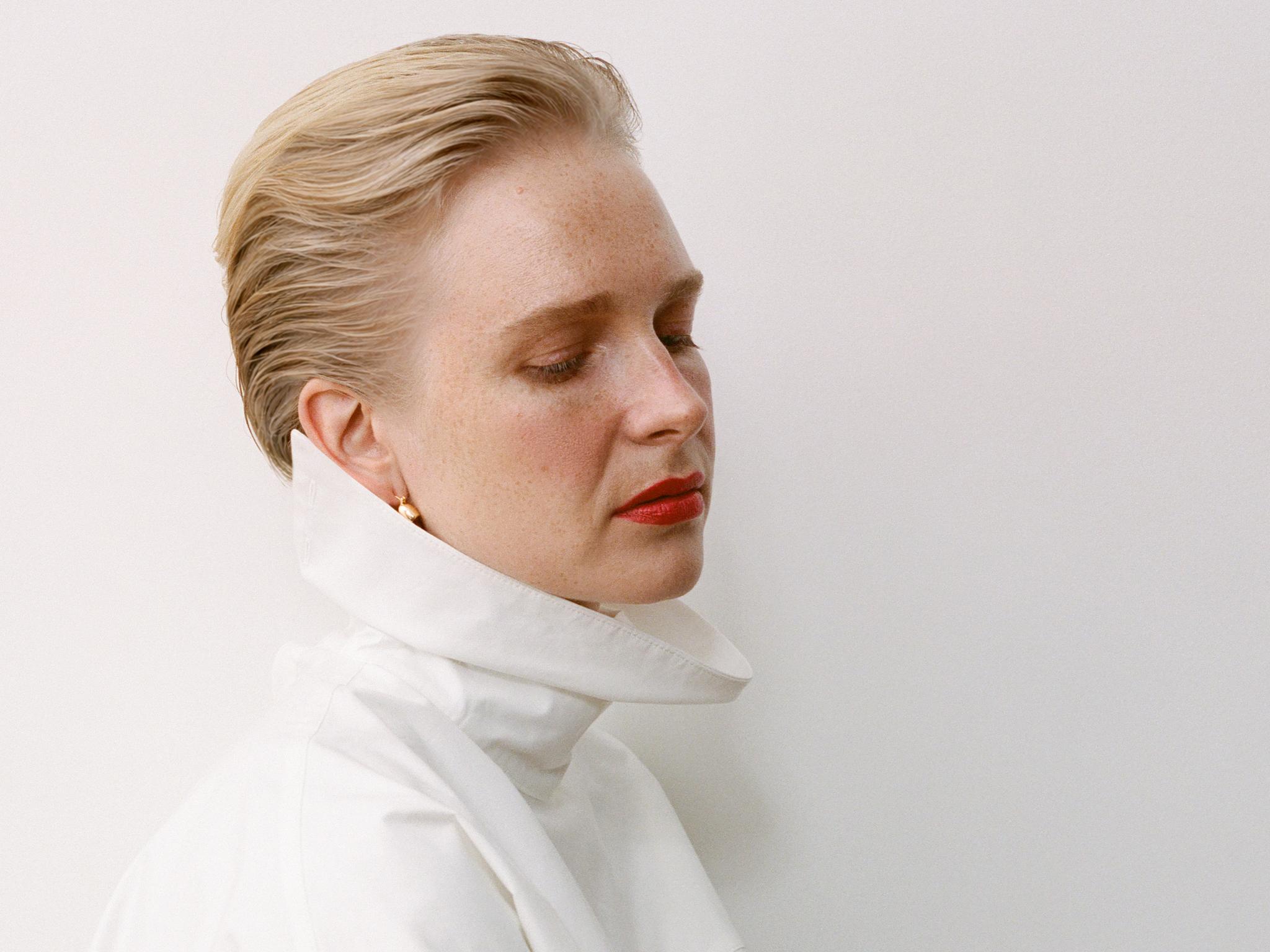
Makeup and Art Direction by Erin Green
What tools or techniques do you particularly like to use?
I use my hands a lot, and I blend the skin with my hands. I like to touch it. I like to feel it. The tactile feeling of it in my hand gives me a better understanding of what the finished product is going to look like. When I do skin, for example, I like it to look like skin. Oil from my fingers helps to keep the natural oil on the skin.
Often, I will put product on with the brush and then I use my fingers to blend it out. I use the brush to pinpoint exactly where I want whatever it is to be.
In terms of colour – how do you work with that on the day?
In my initial deck for this project, I created a page of colour for initial ideas I will always have a general idea of colour tone going into a project, I try to pick a world and then adjust based on skin tone.
I have a little Japanese dictionary of colour combinations. It's very cute, and it's literally just that – a whole book of different colour combinations. The colours I've chosen are interesting violets, muddy greens, copper. Choosing two or three colours from each side of the colour wheel usually works well. They complement each other and help them to stand out.
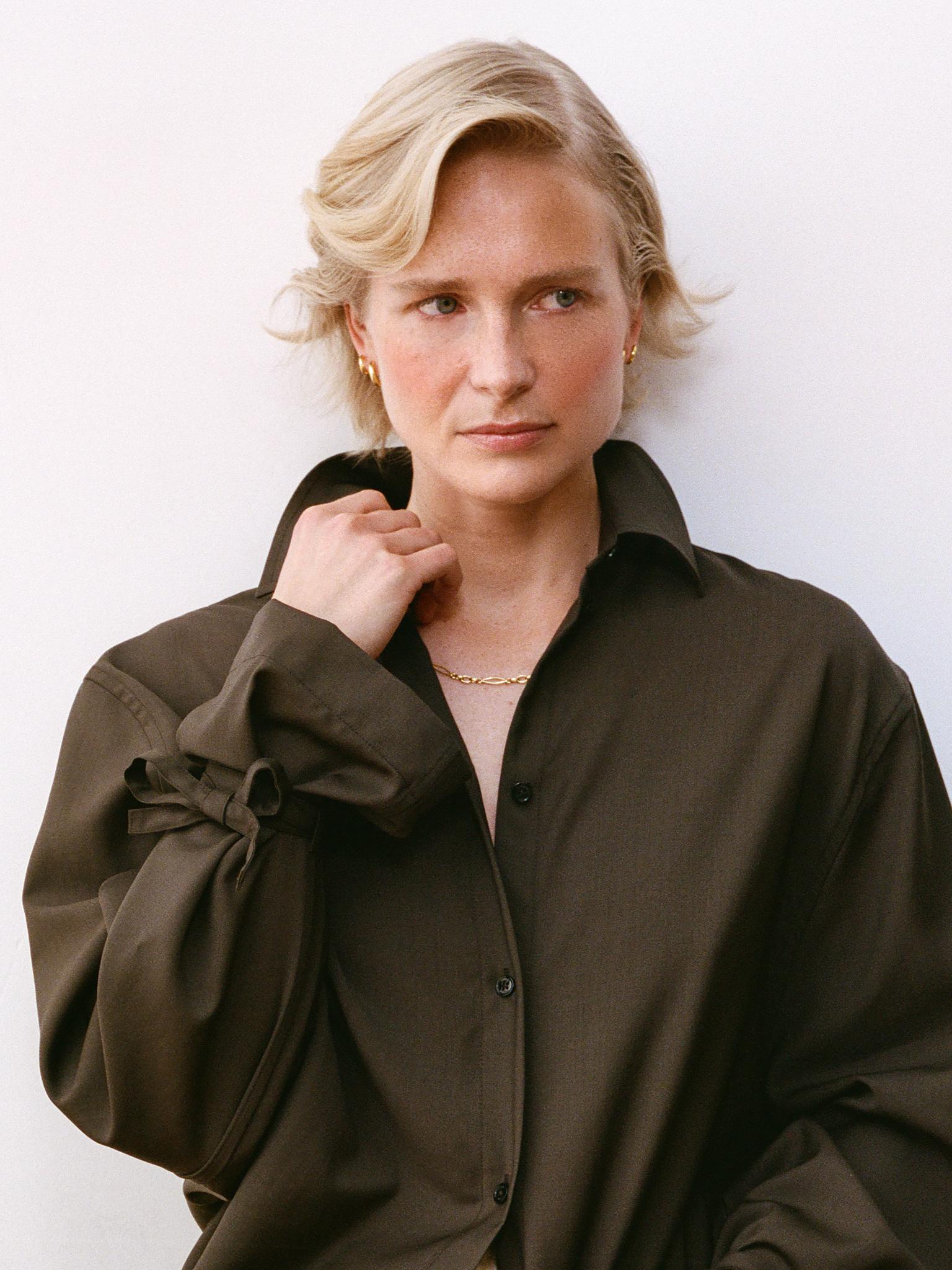
Makeup and Art Direction by Erin Green
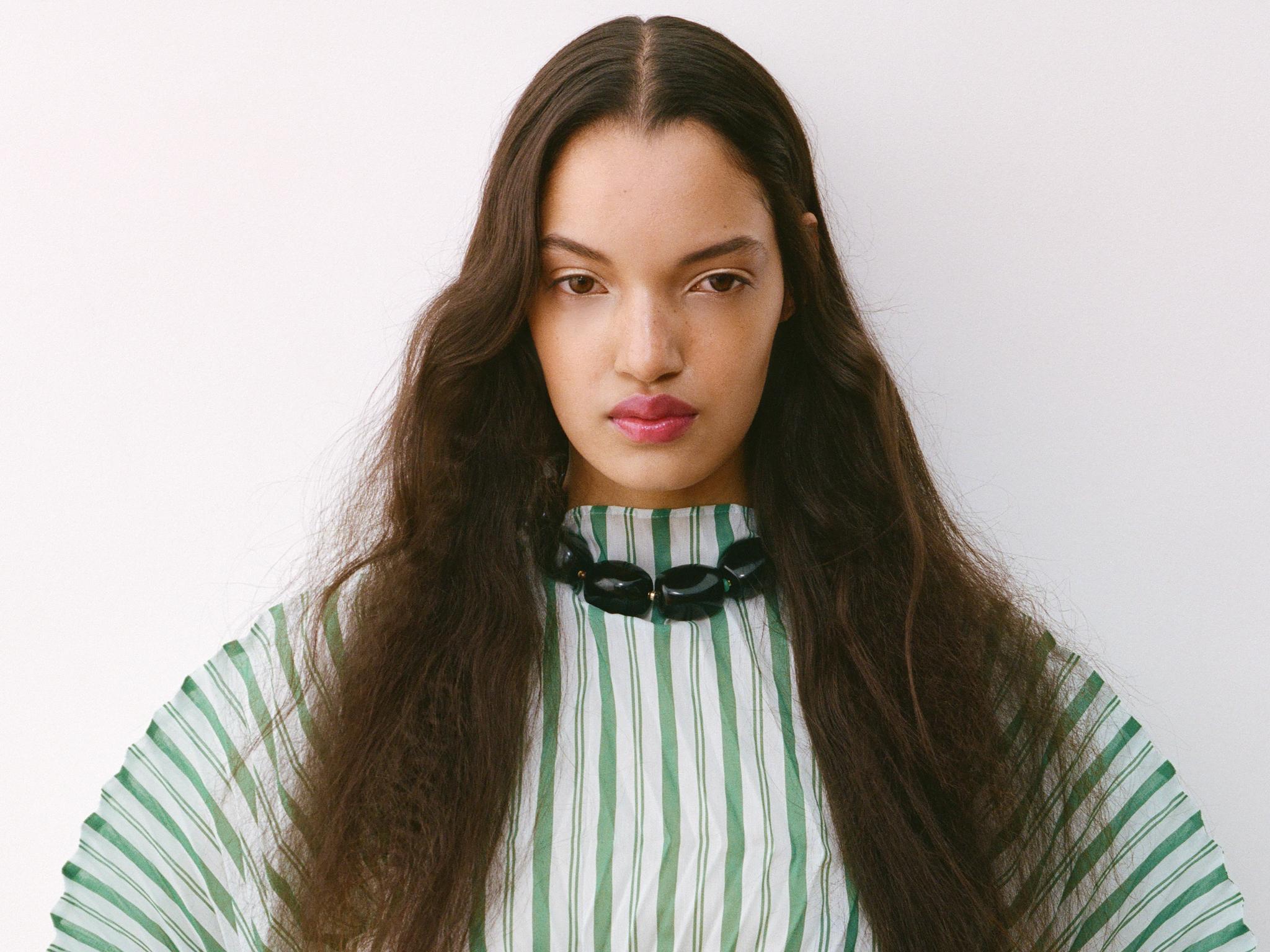
Makeup and Art Direction by Erin Green
Would you describe yourself as a makeup artist or more generally as an artist?
In the last five years, I think I’ve seen myself more as an artist. That has only come with confidence in my craft and the realisation of what drives me.
I pull my inspirations from other artists in lots of different mediums. I also feel like if I'm having a bad day, I don't do as good a job. If I'm feeling vulnerable, maybe I do something really cool. I operate the same way a lot of artists do. It's tied to my emotions.
The things that drive me and inspire me are things that I don't get paid for and are about the artistry. I made a book two years ago, it took us a year and a half, and it cost so much money to make, but it's the thing I'm most proud of. It doesn't live in a commercial world, but it's an object I created that will be around for the rest of time. That is something I feel very proud of. I'm not sure if many other makeup artists have the same desire to create in that way.


?fmt=auto&qlt=default&metadata=true$poieg$&w=1000&h=1300&sm=c&poi={$this.metadata.pointOfInterest.x},{$this.metadata.pointOfInterest.y},{$this.metadata.pointOfInterest.w},{$this.metadata.pointOfInterest.h}&scaleFit=poi)


?fmt=auto&qlt=default&metadata=true$poieg$&w=1000&h=1300&sm=c&poi={$this.metadata.pointOfInterest.x},{$this.metadata.pointOfInterest.y},{$this.metadata.pointOfInterest.w},{$this.metadata.pointOfInterest.h}&scaleFit=poi)


