
Ceremony and Symbolism: Where Wellness and Ritual combine
How wellness moved beyond buzzwords into creations curated to soothe mind, body and soul.
Read more
Ceremony and Symbolism: Where Wellness and Ritual combine
How wellness moved beyond buzzwords into creations curated to soothe mind, body and soul.
There’s something mysterious happening in the world of wellness. Perhaps a friend of yours skipped drinks to attend a candlelit sound bath, maybe you’ve received an invite to a cacao ceremony for a spot of 2026 intention setting or you took your grandma’s advice, and found that adding drops of lavender to your pillow before bed really has helped your sleep.
One thing is for certain, alongside scientific advances and a focus on formulas grounded in research, there’s an air of softness, intentionality and a seeking of nostalgia or tradition in our new wellness routines.
It’s all symptomatic of a changing approach to wellness overall: one that is grounded in science and research, but is built on the foundations of practices, ingredients or knowledge relied on for centuries – ones that work to support body and soul alike.
As Liberty kicks off the new year with a focus on wellbeing, the founders and experts behind some of our new wellness vanguard lent us their thoughts on the power of ceremony, ritual and generational wisdom.
ANCIENT WISDOM, MODERN SCIENCE
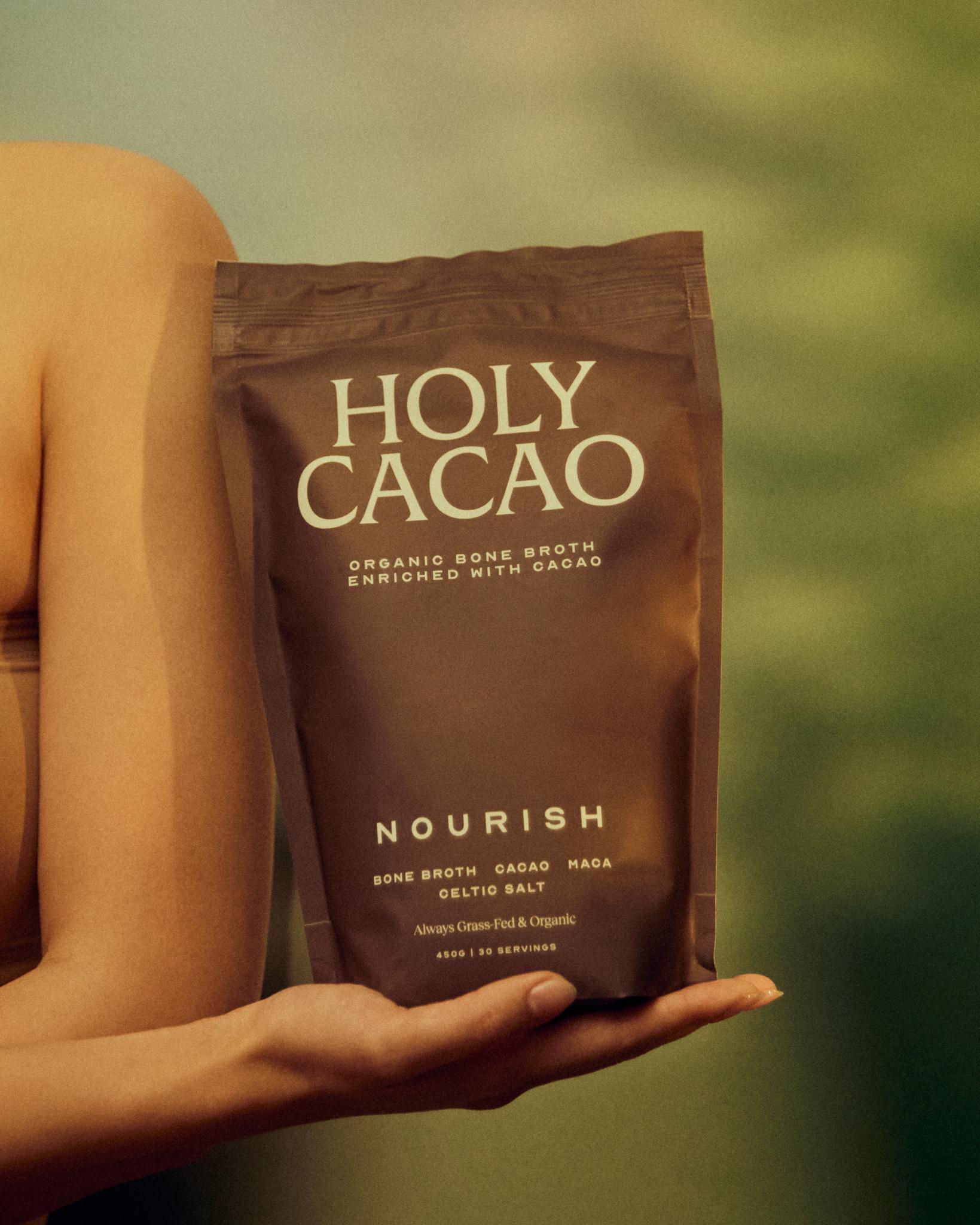
“In the fast-paced, overstimulating world we live in, I think many of us are craving a sense of grounding,” says Claudia Beresford, founder of bone broth cacao drink crafters, HOLY CACAO. “What’s interesting is that so many of the ingredients and practices we’re returning to, like cacao or bone broth, have been trusted for centuries. What’s changed is our understanding.
“We now have scientific research that supports why these ingredients have stood the test of time, alongside a deeper appreciation and understanding for how food and daily practices influence how we feel overall.”
For HOLY CACAO, this meant combining grass-fed bone broth, which is rich in amino acids and collagen, with ceremonial grade cacao, an ingredient used in grounding, spiritual rituals for centuries (if not longer). “We’re honouring that ancient wisdom while presenting it in a modern, accessible way,” she says.
What feels new to some people has existed for centuries, and it’s encouraging to see that knowledge being recognised and respected more widely.
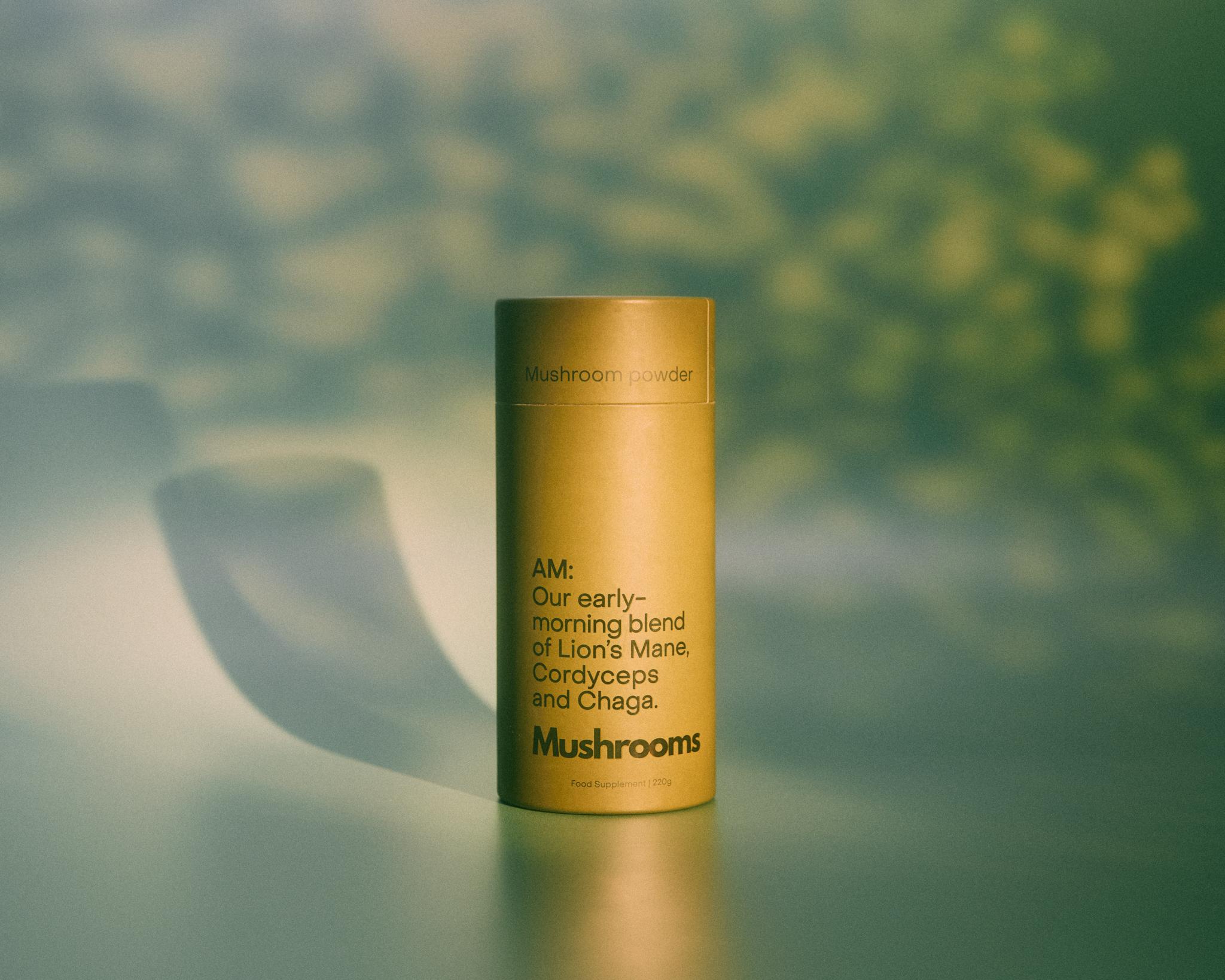
This combination of the ancient wisdom and modern innovation rings equally true for functional mushroom experts, everystate’s, co-founder Gemma Feare. “Growing up in a Jamaican household, ingredients like ginger, turmeric and cayenne pepper were part of everyday life. They weren’t trends or hacks – they were trusted, passed down, and used with intention,” she explains. “What feels new to some people has existed for centuries, and it’s encouraging to see that knowledge being recognised and respected more widely.”
She continues, “At the same time, expectations are higher - and rightly so. Transparency, testing and evidence now matter. Wellness has matured, and consumers are asking better questions. At everystate we work closely with experts and combine traditional ingredients with modern science, so people can feel confident in what they’re choosing.”
BODY AND MIND
Within our refocusing on rituals and routines (now backed by science), there’s an awareness that wellness is no longer grounded only in the physical, and a more holistic approach has been gradually taking hold, with ceremonies geared to support the mind and body in equal measure.
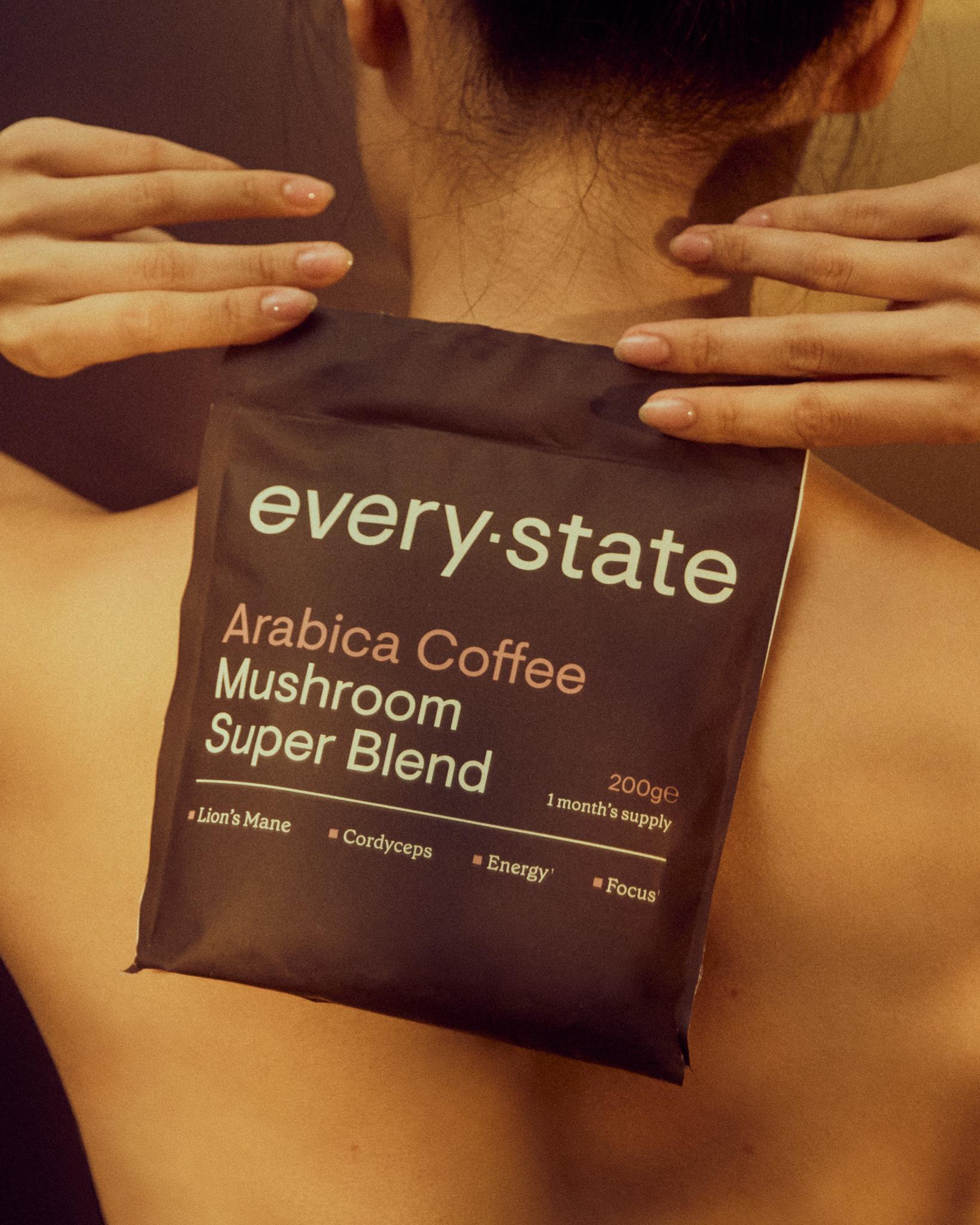
“Physical and emotional wellbeing have never been separate - stress shows up in the body, focus affects energy, and rest impacts everything,” notes Feare. “We live in an always-on world, and finding balance is more important now than ever. I’ve experienced burnout myself, and it taught me that you can’t “supplement your way” out of emotional overload. Until you acknowledge how you’re actually feeling, nothing really changes […] Holistic wellness isn’t about doing more, it’s about paying attention and responding with care.”
Jessica Clarke founder of New Zealand-based Mother Made agrees, noting that the era of “quick fixes” has given way to more considered, intentional wellness routines. “People are much more educated now, and they’re looking for sustainable practices rather than trends,” she says. “We’re also starting to understand that burnout isn’t a personality trait, it’s a sign that our nervous system needs support. There’s a softness in how we’re approaching wellness now that I really love.”


?fmt=auto&qlt=default&metadata=true$poieg$&w=1000&h=1300&sm=c&poi={$this.metadata.pointOfInterest.x},{$this.metadata.pointOfInterest.y},{$this.metadata.pointOfInterest.w},{$this.metadata.pointOfInterest.h}&scaleFit=poi)


?fmt=auto&qlt=default&metadata=true$poieg$&w=1000&h=1300&sm=c&poi={$this.metadata.pointOfInterest.x},{$this.metadata.pointOfInterest.y},{$this.metadata.pointOfInterest.w},{$this.metadata.pointOfInterest.h}&scaleFit=poi)


