
In the Studio with Liberowe
Founder Talia Loubaton takes Liberty on a tour of her ‘60s inspired, Indian-influenced and ever-so-elegant world.
Read more
In the Studio with Liberowe
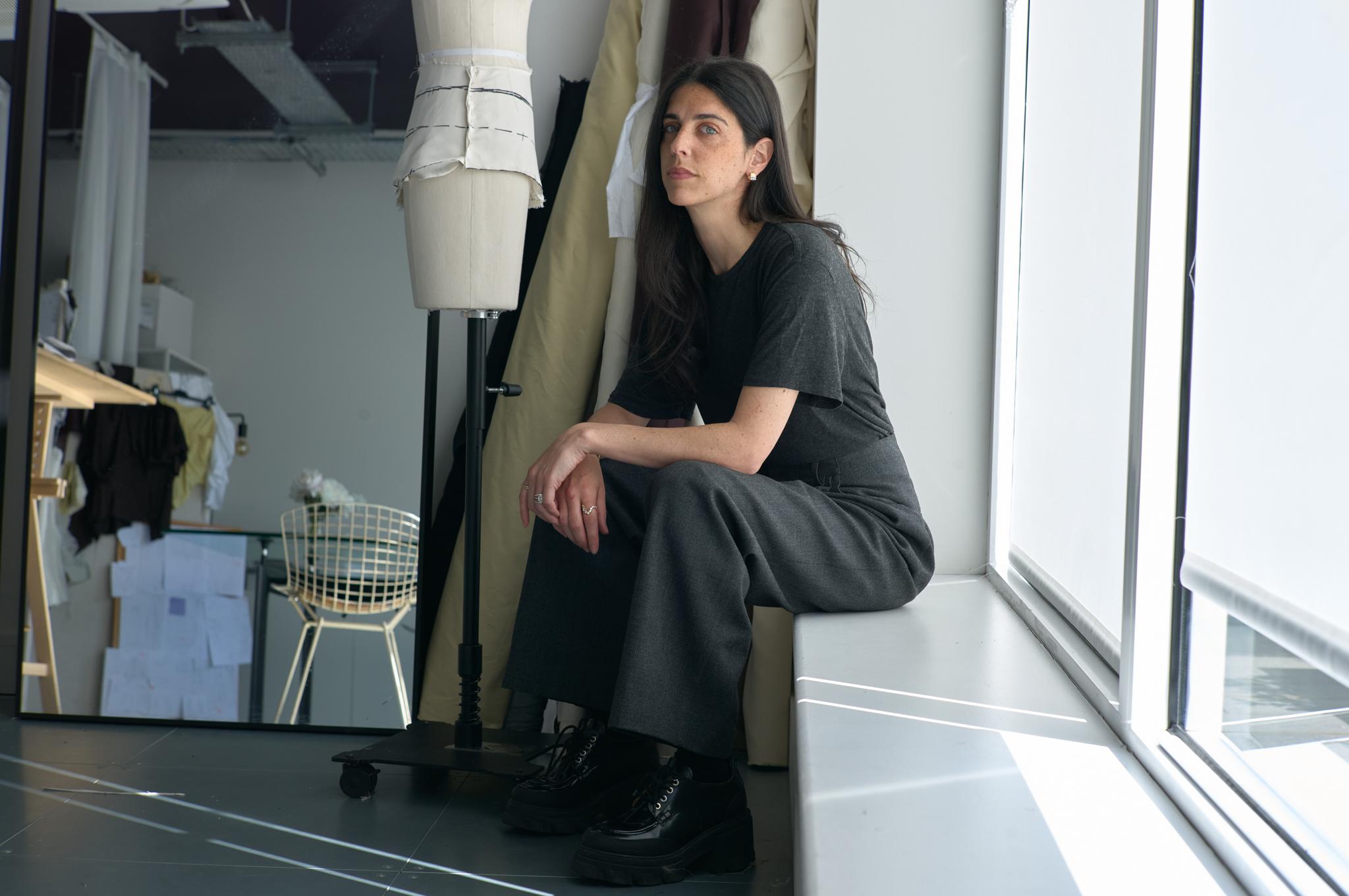
Founder Talia Loubaton takes Liberty on a tour of her ‘60s inspired, Indian-influenced and ever-so-elegant world.
Paris raised, London trained designer Talia Loubaton is a story of harmonious contrast. Through her womenswear brand, Liberowe, she investigates the tension between femininity and masculinity; strength and delicacy; tailoring and drapery with an eye for elegance, sophistication and fabrics and finishes that bring an esoteric ease to each garment.
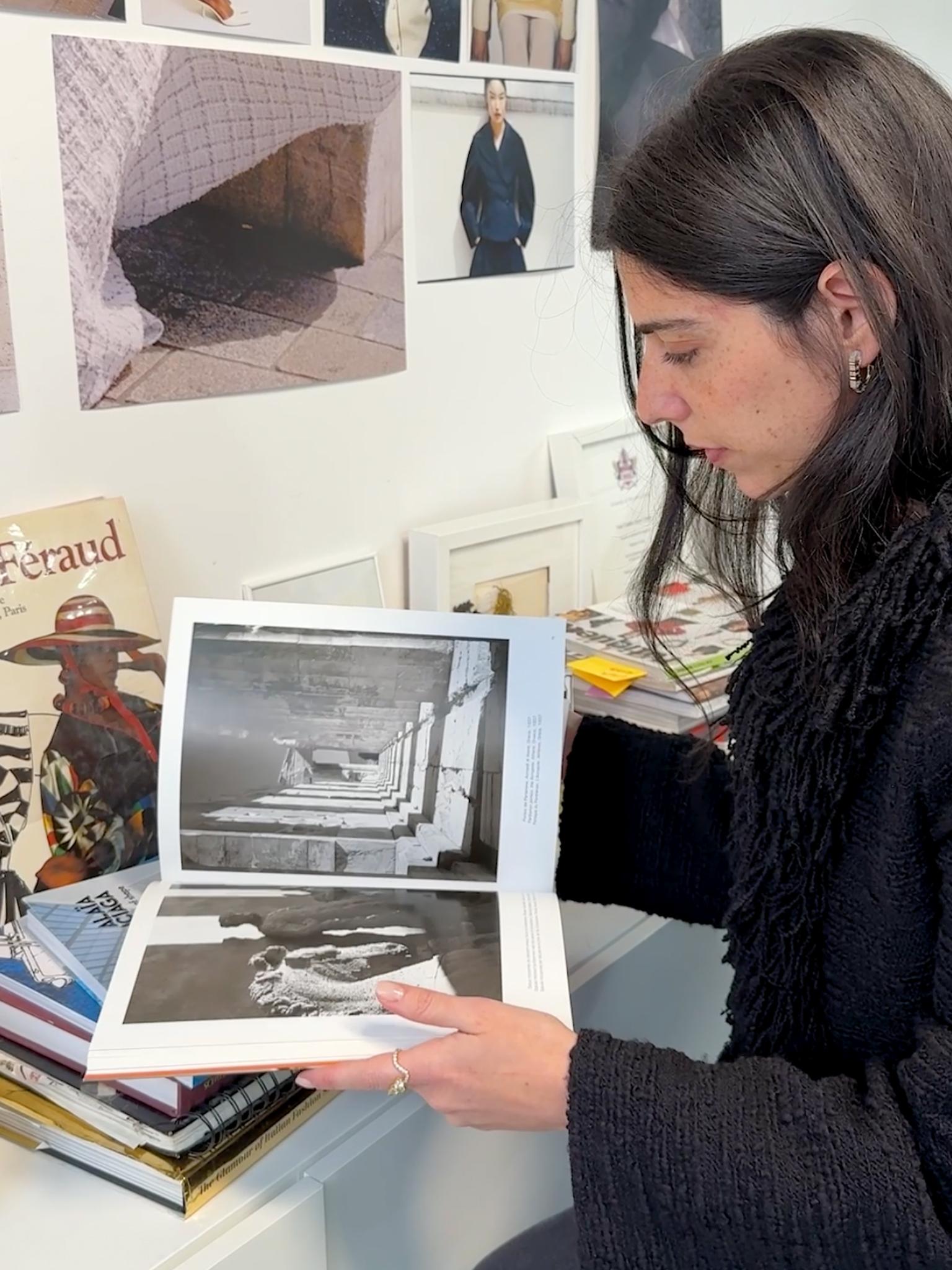
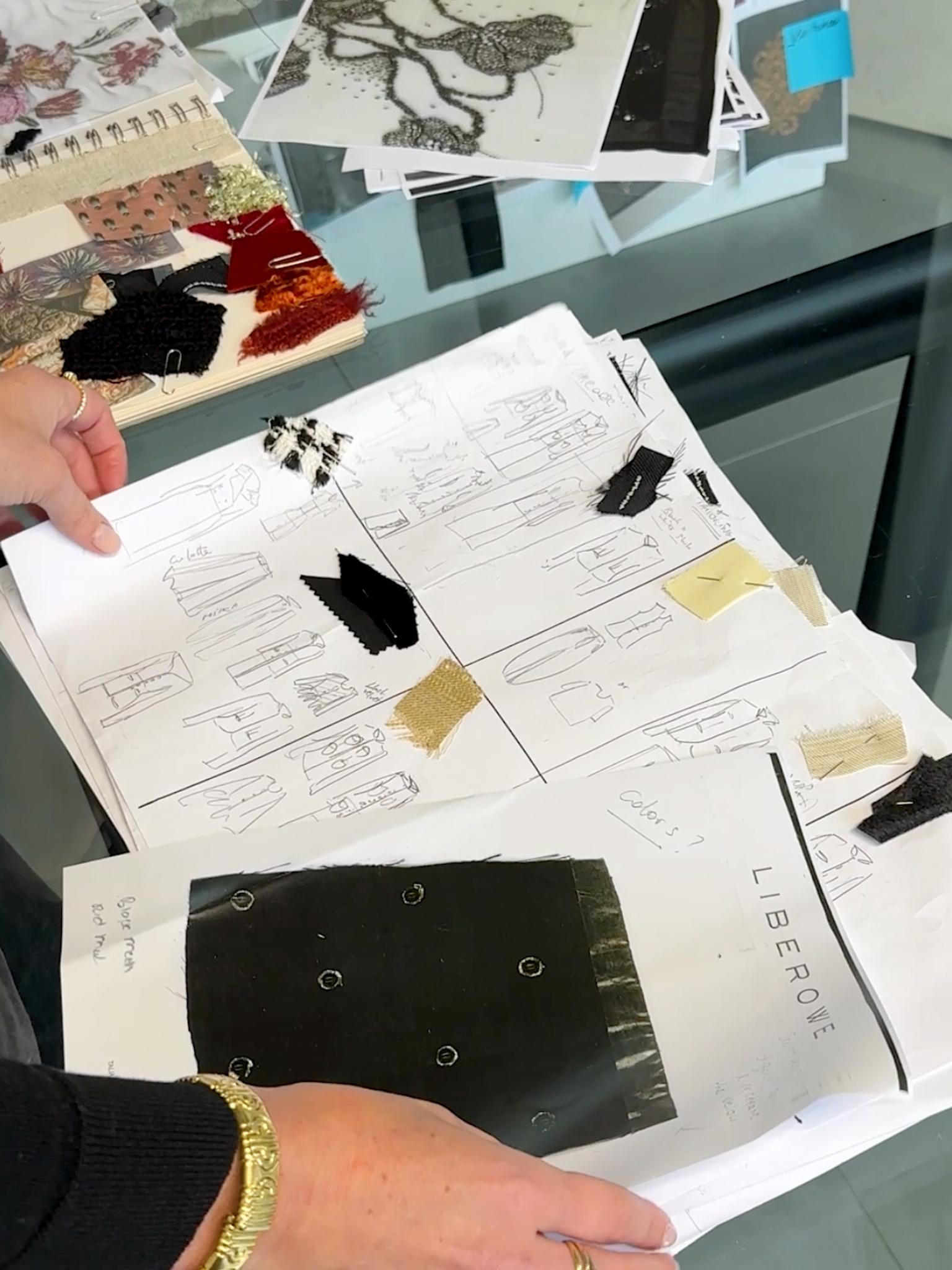
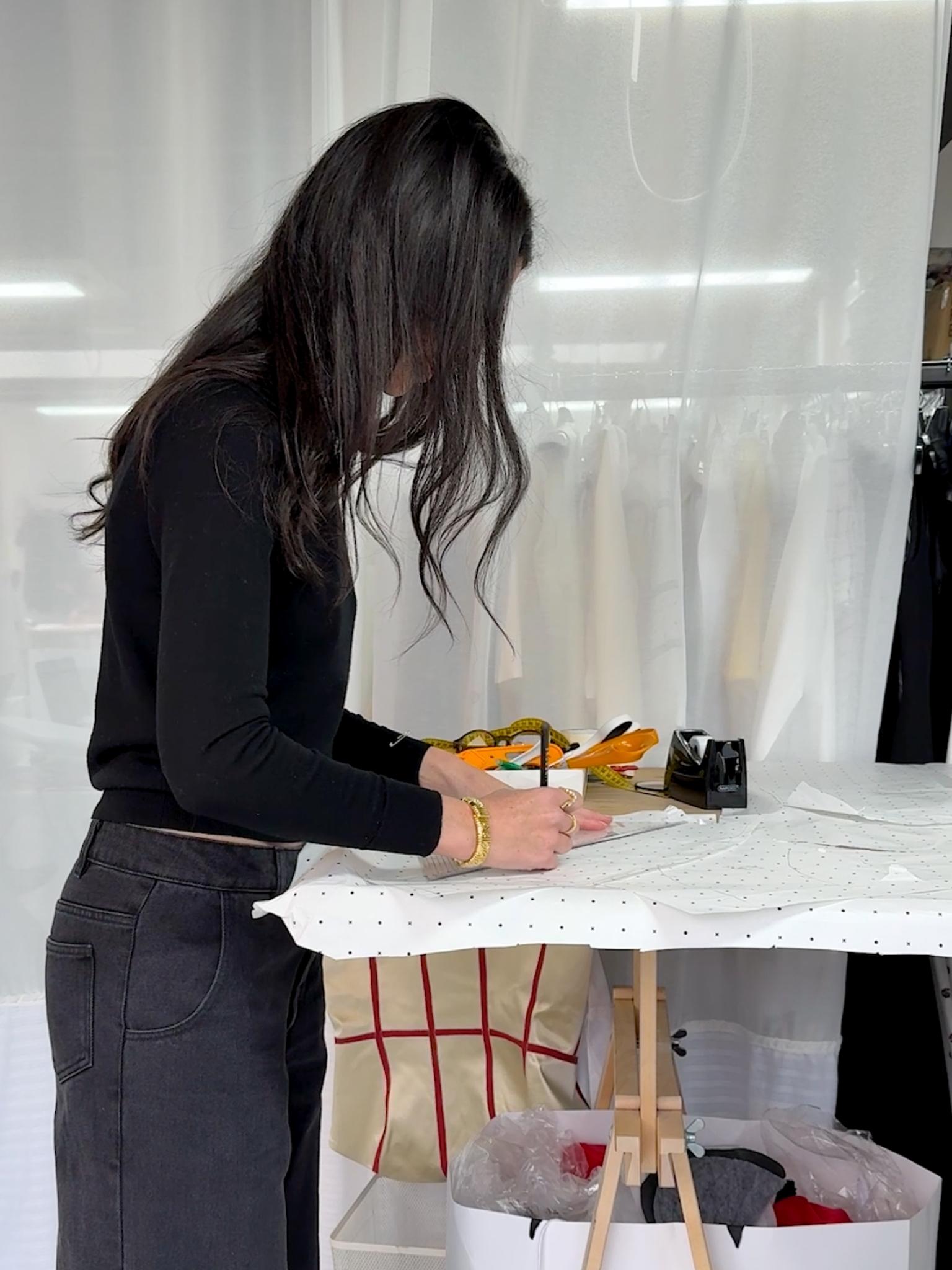
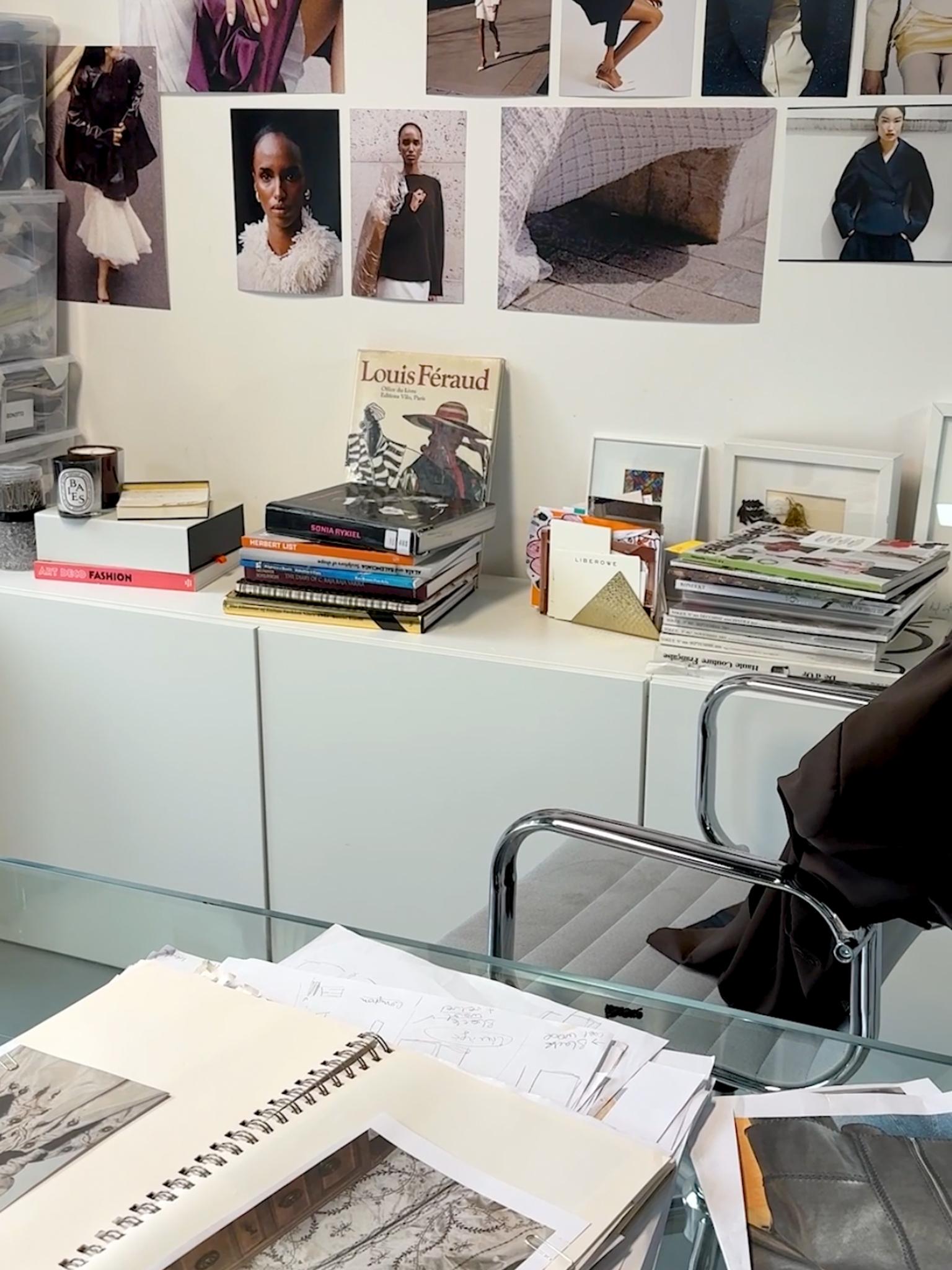
Within her London studio, this tale of opposition continues. Sewing machines whirr and irons emit regular, rhythmical puffs of steam as the Liberowe team works away in a flurry of stitching, cutting, pleating, draping and drawing – as preparations for the new collection intensify. In the opposite corner of the studio, a different world emerges. Background noise blends into a murmur as a floral candle burns on a sleek glass desk, adorned with art and photography books, sketches and a bouquet of elegant white tulips. It’s in this serene corner that Talia’s design work begins.
Trained at the famed Central Saint Martins, with a love of 1960s French cinema – think Catherine Deneuve in Manon 70 and Belle du Jour – the instigating spark for Liberowe came on a trip to India, where traditional tailored jackets captured Talia’s imagination. The resulting aesthetic blends those unexpectedly aligning influences into an aesthetic that’s bold, distinct but still tinged with the romantic.
In the surrounds of her studio, Talia sat down with Liberty to tell us more…
Tell us about the inspiration behind Liberowe.
I’ve always been drawn to the notion of strength and fragility, and how one interacts with the other. I love to see the merging of opposites and Liberowe is very much that. It’s my vision, my own sense of femininity, mixed with elements of Indian menswear.
Liberowe was born after a life-changing trip to India. What I saw there, what I experienced – the noise, the colours, the chaos, and mostly the beauty – was incredibly powerful. I came back to London with this urge to transform those emotions into clothes.
I started at my dining room table at home, and I made a jacket – the Raja signature jacket – which is now one of our icons. I really made the jacket for myself and then shared it with other women. It started in March 2022 in a friend’s living room with a rail of clothing and a little notebook where I took bespoke orders.
From the beginning, there was a genuine interaction with the women I was dressing and things moved very fast. After a couple of months, buyers from the industry approached me and asked if I was ready to distribute and wholesale. I wasn’t, but I said I was, and it worked out!
What’s your background? How did you first get into fashion?
I always knew I wanted to work in fashion, since I was four. I grew up in Paris and always wanted to study at Central Saint Martins [in London]. I moved to London at 18, studied knitwear at CSM, completed my Master’s degree, and started working at Alexander McQueen. After that, I had children and faced the challenge of balancing motherhood with working in fashion. Creating my own brand became the most natural way to express myself and live within the industry.
How would you describe Liberowe aesthetic today?
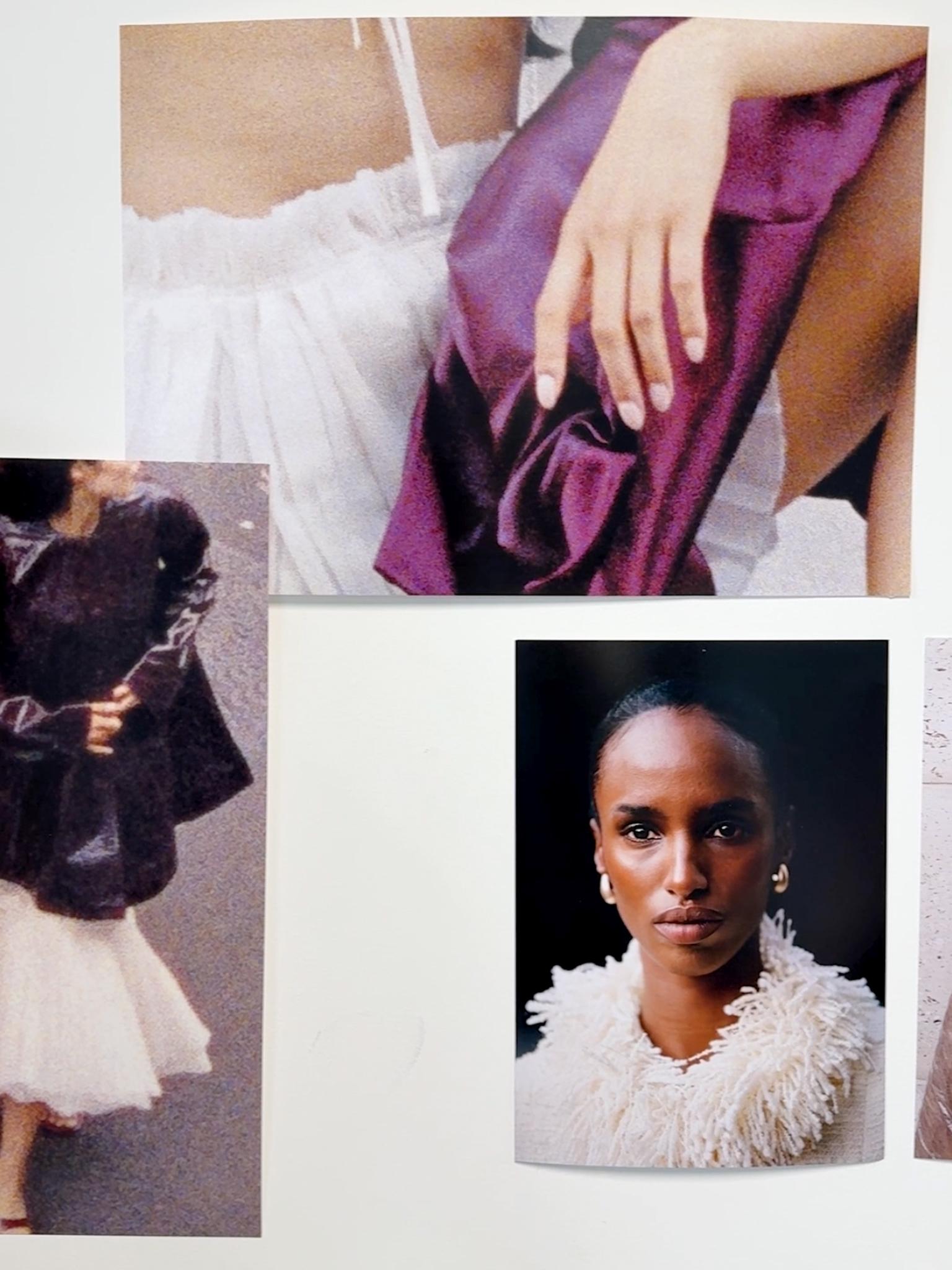
The Liberowe aesthetic is very much a blend of many things. There are elements of Indian menswear, something I am deeply fascinated by, woven together with my own vision and influences from 1960s and 1970s fashion, eras I’ve always found fascinating.
I love French films from that era, they are a big source of inspiration for me, particularly because of how women were portrayed: evolving within a still quite patriarchal society, but where emancipation was beginning to emerge. I find those characters and attitudes incredibly inspiring. I’d say Liberowe is a blend of that era of woman and Indian menswear tailoring.
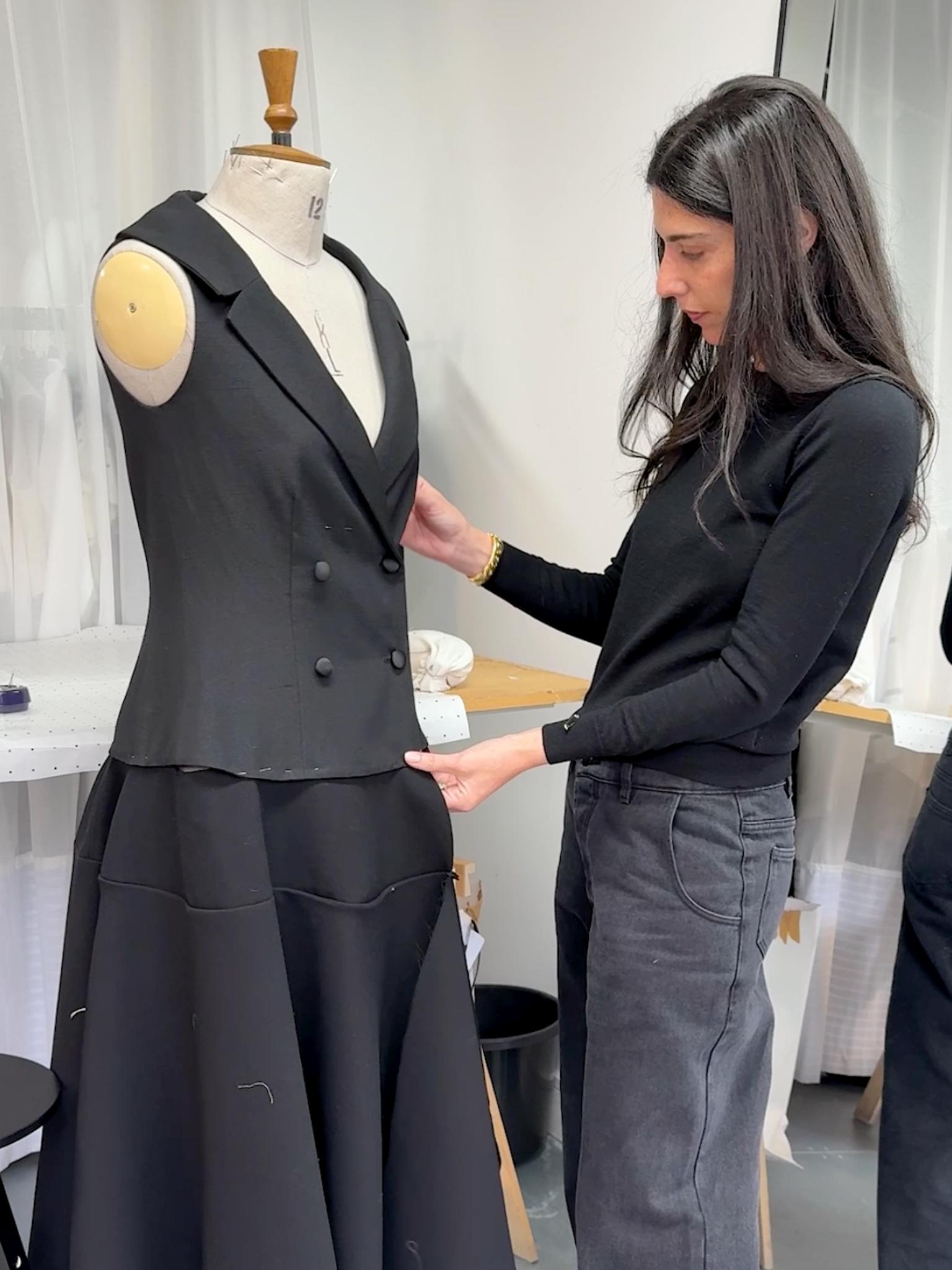
For me, it’s important to convey femininity and fragility, but also structure and strength. That’s the magic of tailoring: it gives confidence. When you wear heels, you feel taller. When you wear a jacket, you feel stronger. That’s central to my design process. I always start with tailoring to define the shape and silhouette. It’s like creating a picture.
What elements of Indian menswear interest you most?
When I first travelled to India, I expected to be drawn to embellishment, embroidery, saris. Instead, I became fascinated by these very strict, structured menswear jackets called sherwanis. I became obsessed with them and wanted to wear one myself.
What I love is the line: it’s very ‘60s or ‘70s in its shape. I also love Nehru collars and the pocket detailing. It felt completely timeless.
The jackets you mention are traditionally very masculine. Why did you want to introduce that into womenswear?
I grew up with four brothers, so I’ve always questioned my sense of femininity and my relationship to masculinity, and how one can meet the other.
Becoming a mother also made me question womanhood: how to embrace a role full of expectations, one that is constantly evolving. In our society, women are expected to be strong and powerful and do everything, and why not? But that dialogue between femininity and masculinity is important. We all have those parts, and it’s about how they interact.
What’s your process when creating a garment?
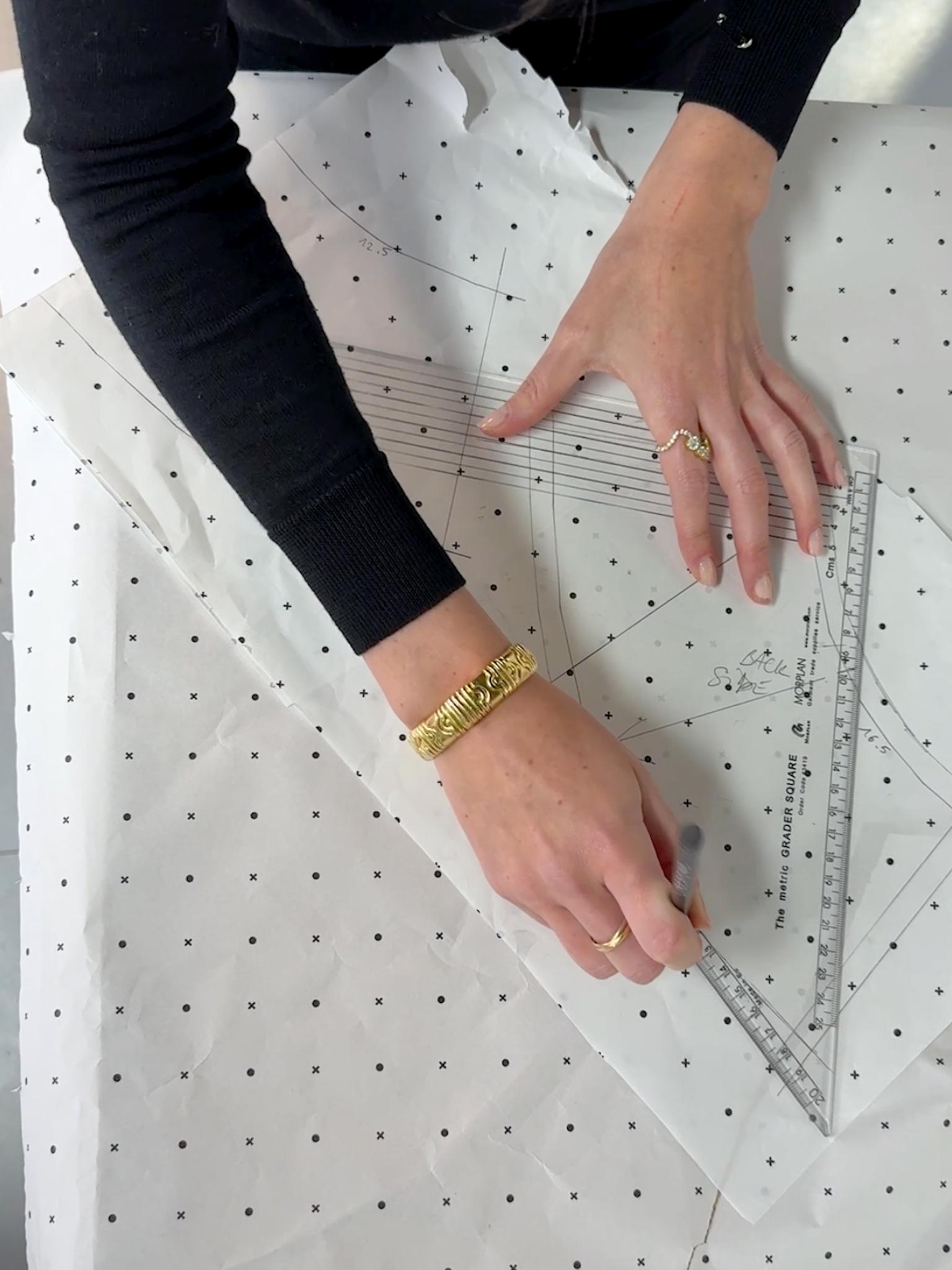
My process is very instinctive. I don’t sketch: I make. I work in three dimensions. I usually start with the fabric. I’m very tactile; my background is knitwear, so I like to feel the fabric, its weight, how it drapes, whether it’s crisp or fluid. I drape on myself, in front of a mirror. It’s almost introspective. I’m always asking: what do I want to wear? I make it, and then I share it with other women.
Inspiration is everywhere. I observe movement, how clothes move on bodies. Working with fabric – especially sourcing – excites me. When I touch fabric, I want to get to the table and start cutting.
Are there pieces you consider Liberowe’s signature?
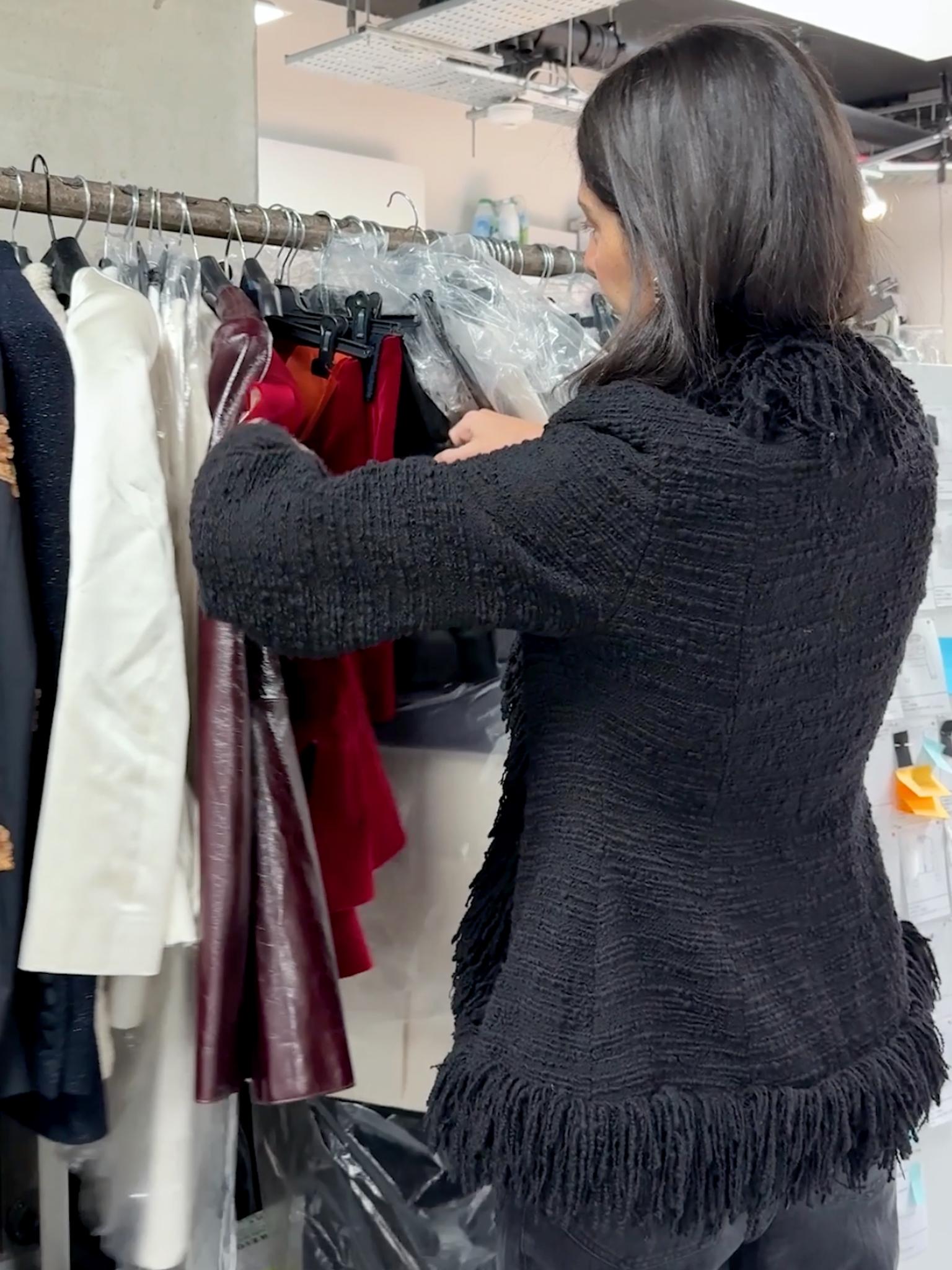
Liberowe has a strong core collection, centred around our jackets. The Raja Signature Jacket with the Nehru collar and four pockets; the long version; the Imperial Wool coat; the peplum jackets, which are more playful and feminine.
We also have the Nehru collarless shirt and >; the Vera Mini Skirt, which is an homage to French films of the ‘60s and ‘70s and women’s emancipation through dressing.
How do you hope women feel when they wear your clothes?
I hope they feel strong and confident. Tailoring gives poise and presence. I want to offer confidence and a sense of identity, dressing with purpose. Once the clothes leave me, they belong to the woman’s wardrobe, and how she styles and owns them becomes part of the story.
You manufacture everything in London – why is that so important to you?
Over 80% of our clothes are made in London. What isn’t made here is produced by ethical manufacturers across Europe, mainly in Italy. Our fabrics are sourced from Italian and French mills, as well as deadstock fabrics from the UK. This commitment is fundamental to the brand.
To me, it feels like basic values. When I developed the brand, there was no other way to do it than cleanly and ethically. Hopefully, by 2026, that’s becoming more standard in the industry.
How does it feel to be stocked at Liberty?
Liberty was our first London stockist. I remember when Lydia King [Liberty’s buying and merchandising director at the time] contacted me – I was incredibly excited. As a student, I used to get off at Oxford Circus and go to Liberty to study the clothes, the finishes, the brand mix. Being part of that story now makes me very proud.




?fmt=auto&qlt=default&metadata=true$poieg$&w=1000&h=1300&sm=c&poi={$this.metadata.pointOfInterest.x},{$this.metadata.pointOfInterest.y},{$this.metadata.pointOfInterest.w},{$this.metadata.pointOfInterest.h}&scaleFit=poi)


