
Inspired by LBTY: Tudor by George and Raphael Greaves
Meet the duo behind the latest reinterpretation of the alluring, bohemian Liberty LBTY. Fragrance
Read more
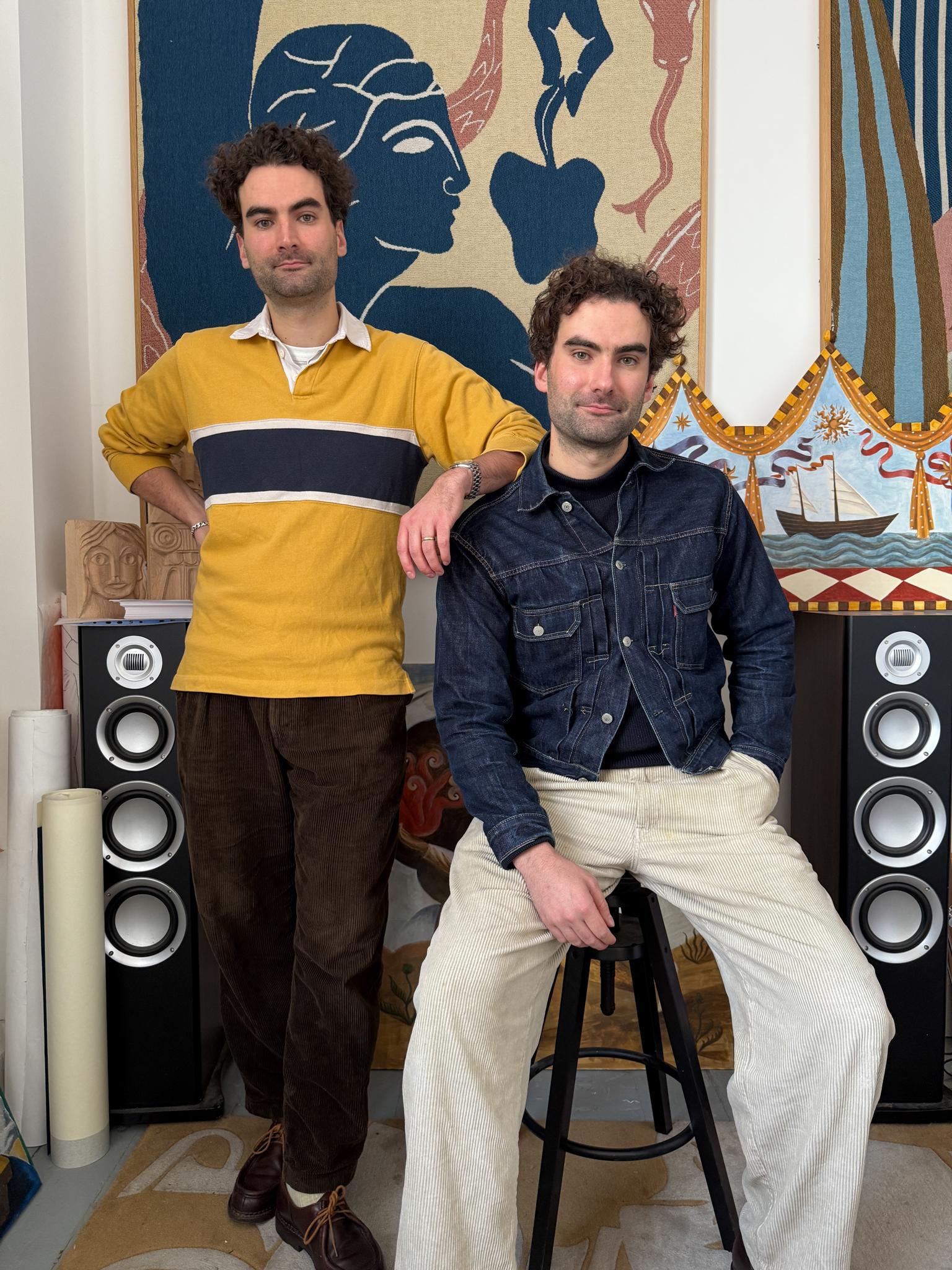
Inspired by LBTY: Tudor by George and Raphael Greaves
Meet the duo behind the latest reinterpretation of the alluring, bohemian Liberty LBTY. Fragrance
By: Team Liberty
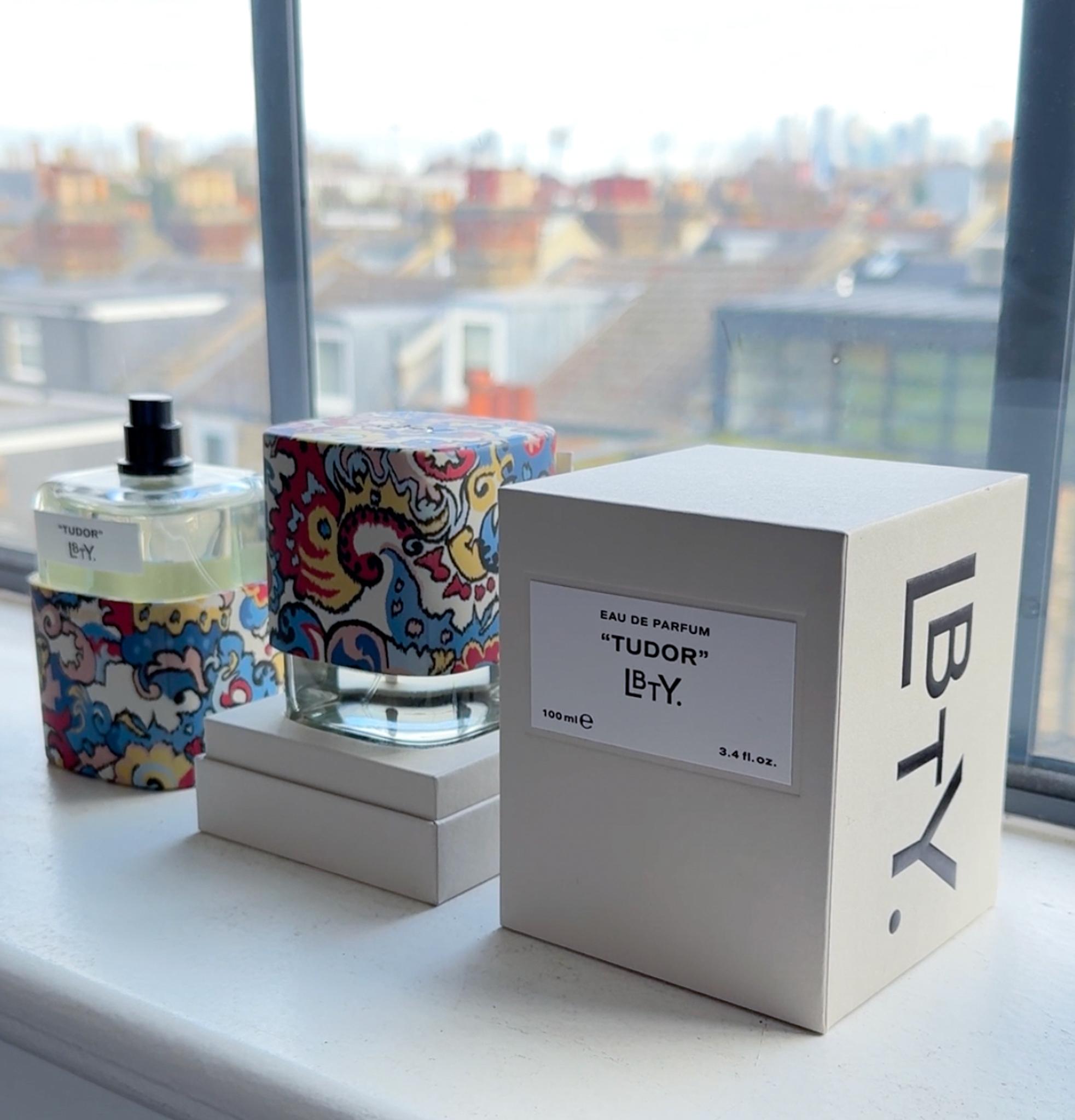
A deep-rooted passion for artistic expression lies at the heart of Liberty, from the Tudor foundations of our store upwards and outwards. The exquisite world of Liberty’s LBTY. Fragrance is no exception, guided by a passion for creativity and collaboration, celebrating history and heritage with an eye to the future.
And what better way to explore the intricacies of the Liberty’s LBTY. Fragrance collection than by continuing our close collaboration with the creative world? This year, we’re tasking a series of contemporary creatives with reimagining each scent through their unique artistic media as part of our Inspired by LBTY. series.
Twin brothers George and Raphael Greaves grew up with a passion for creativity. With childhoods spent in National Trust properties and art galleries, after-school drawing sessions were the first signs of a lifelong fascination with the arts.
Today, both brothers have developed a distinctive illustrative style, creating works together for their design studio Printed Goods that brim with eclectic inspirations. From classical mythology and symbolism to archetypes, architecture and ancient arts, there’s a sense of playfulness inherent in each of their creations.
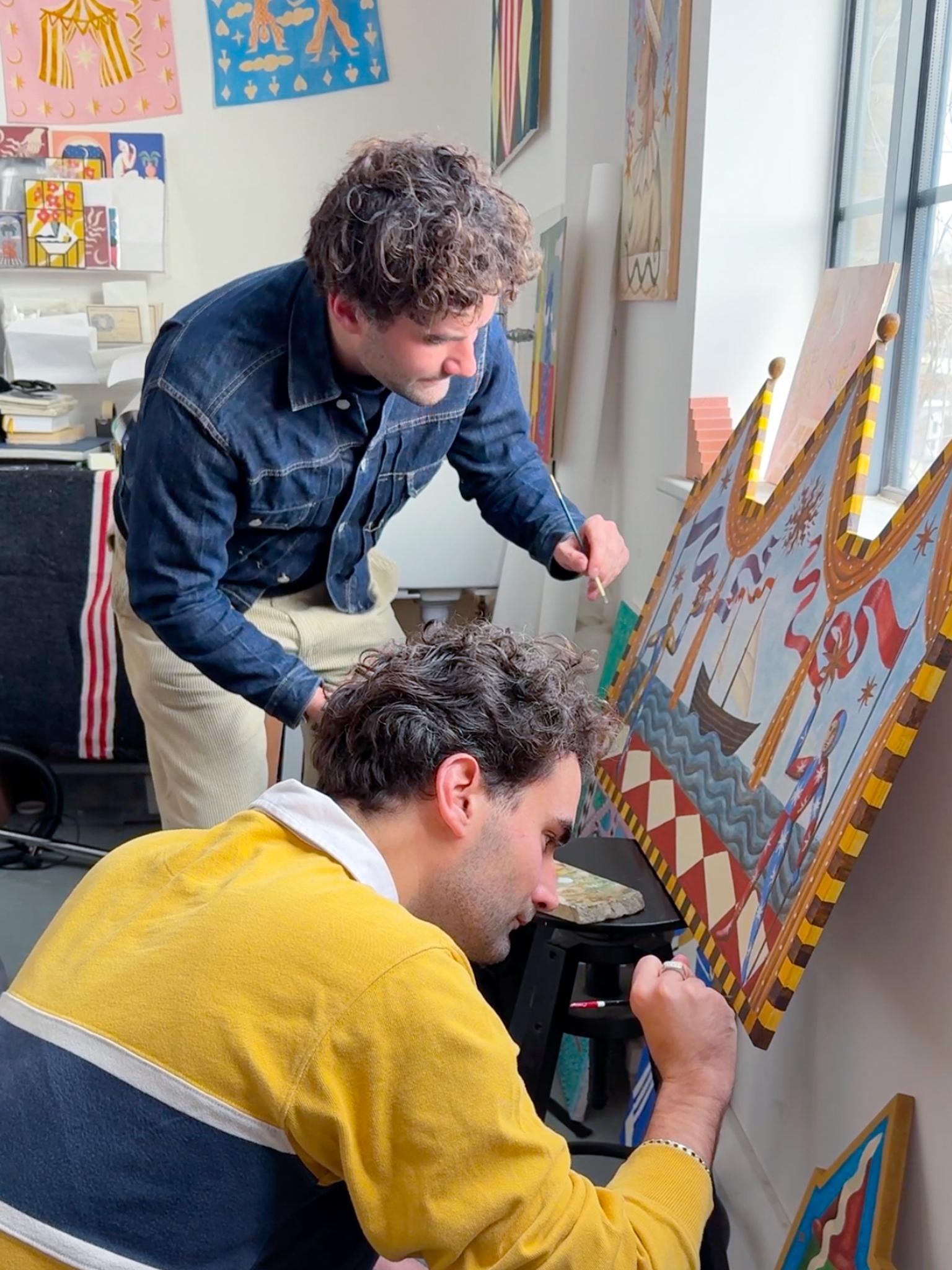
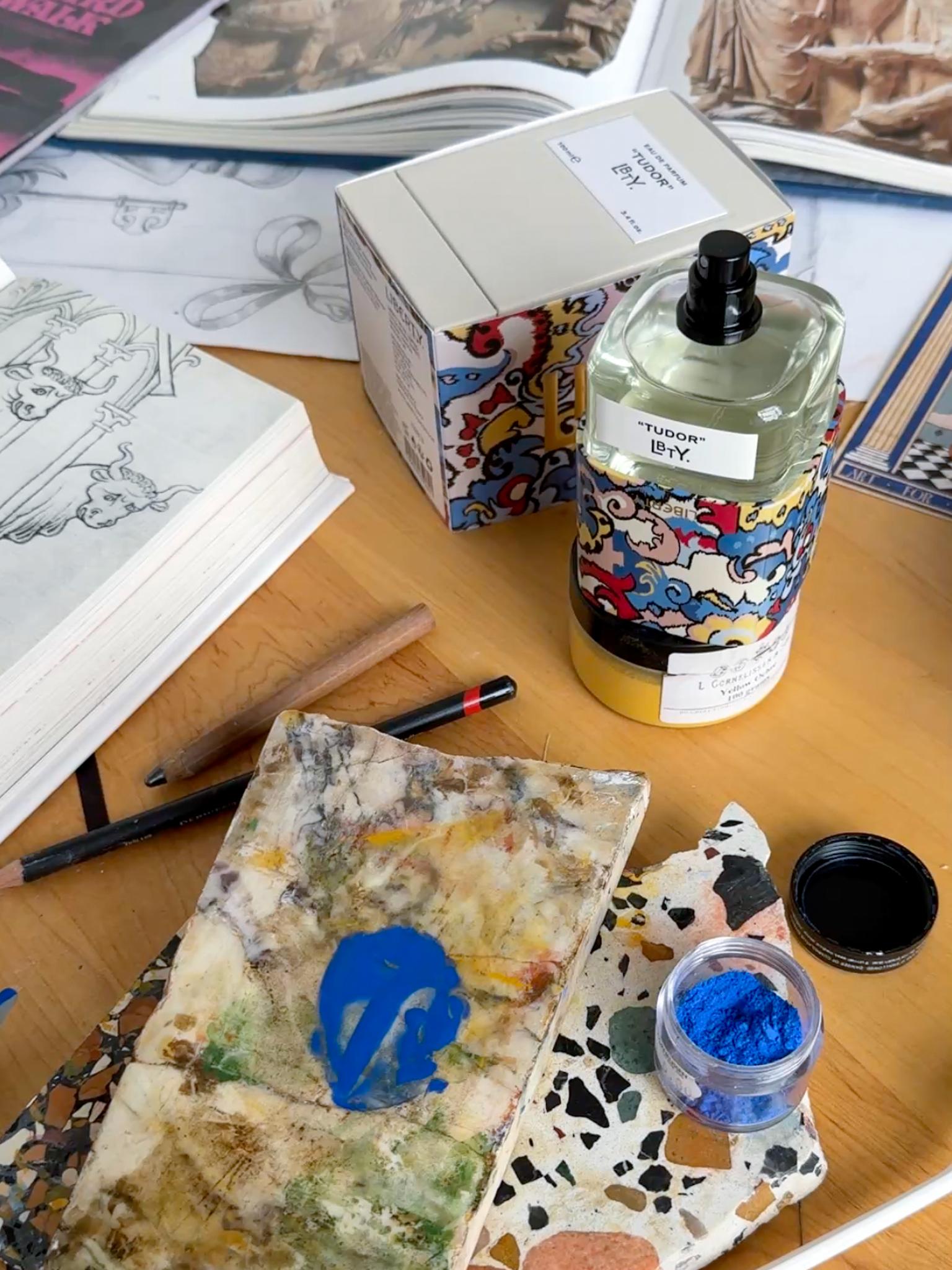
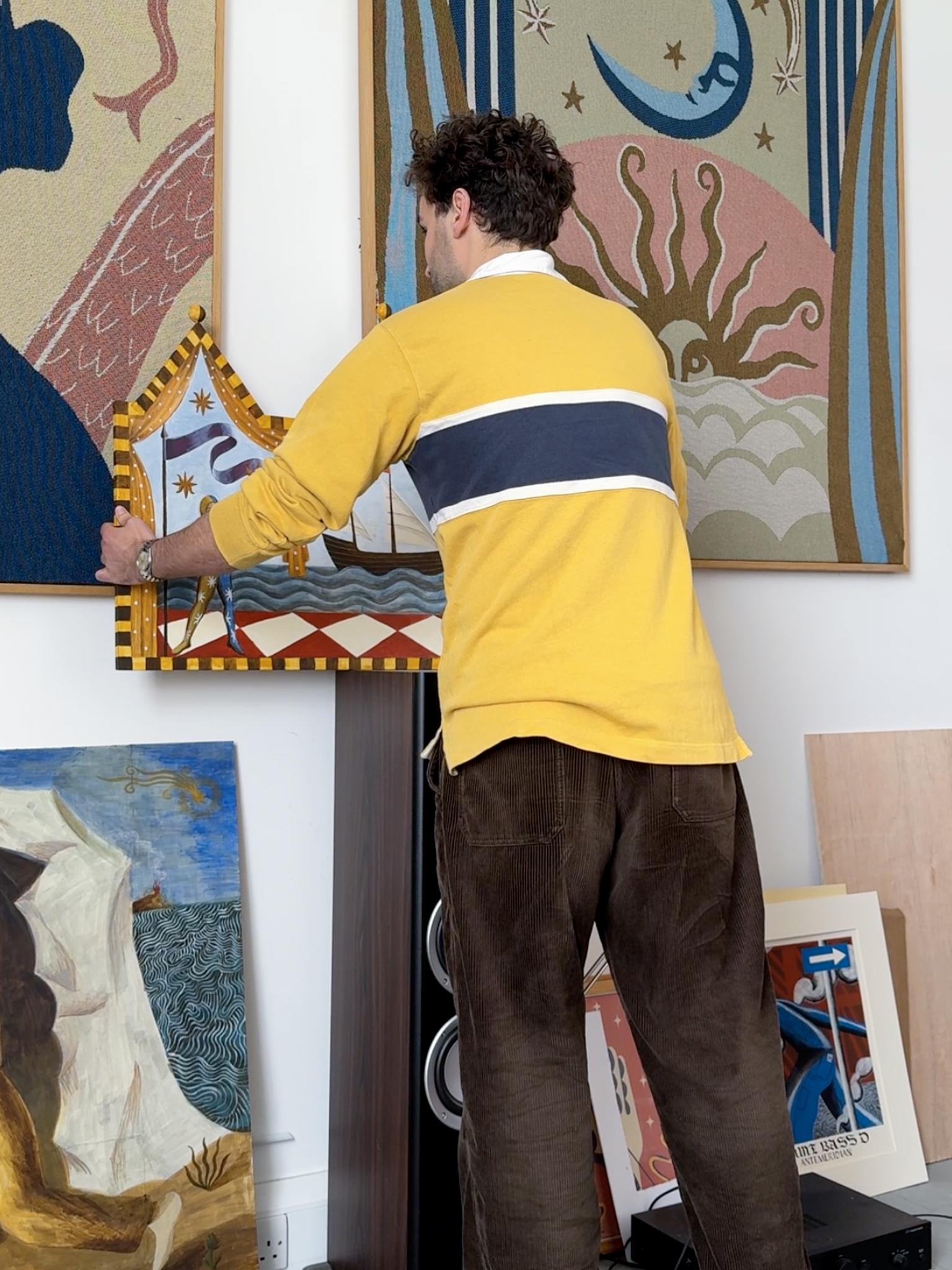
As the pair turn their talents to Liberty LBTY. Fragrance’s Tudor, Liberty visited George and Raphael at their studio, for a glimpse behind the scenes of their creative process.
Inspired by LBTY: Tudor by George and Raphael Greaves
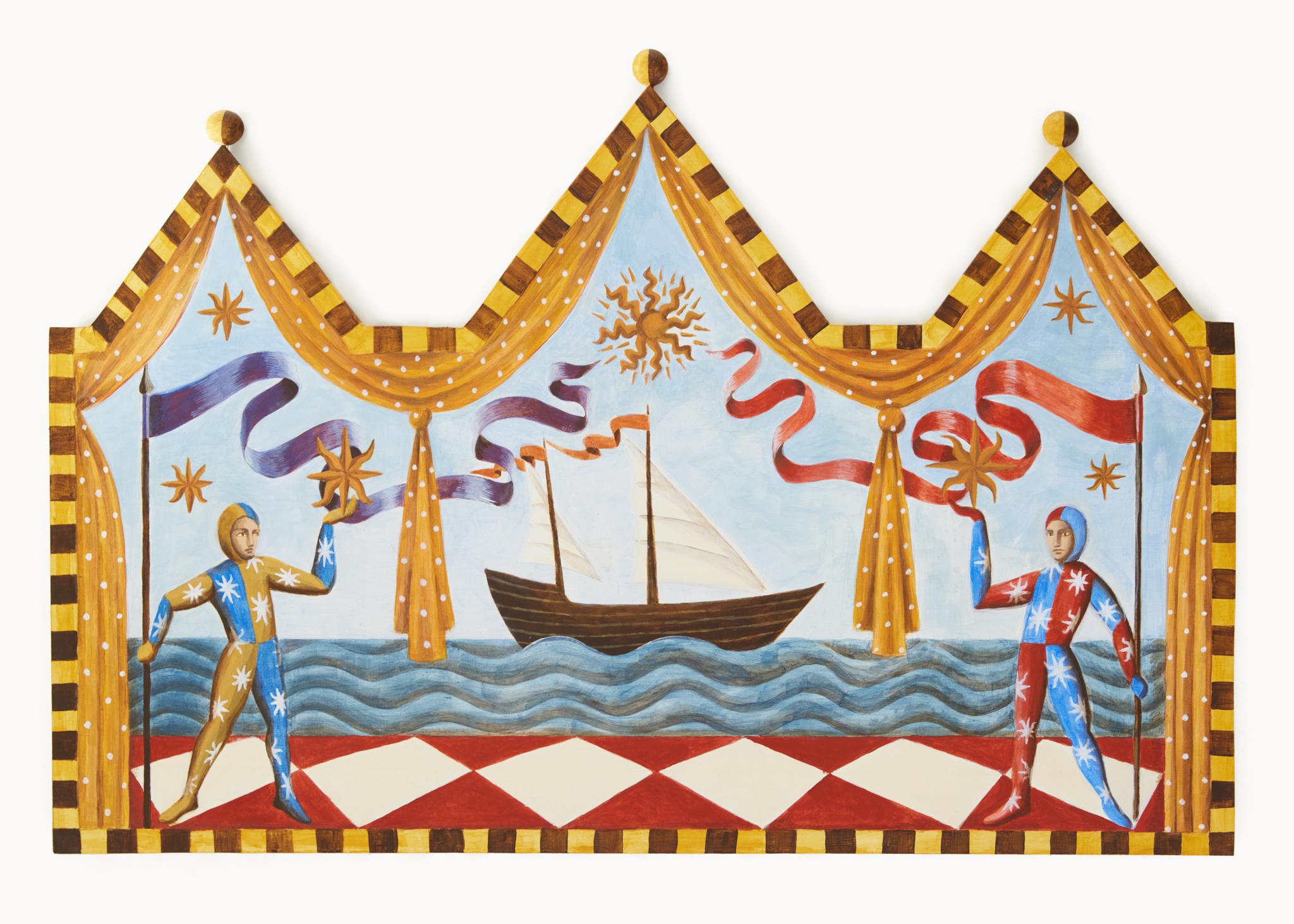
Can you tell us a little about the work that you have created?
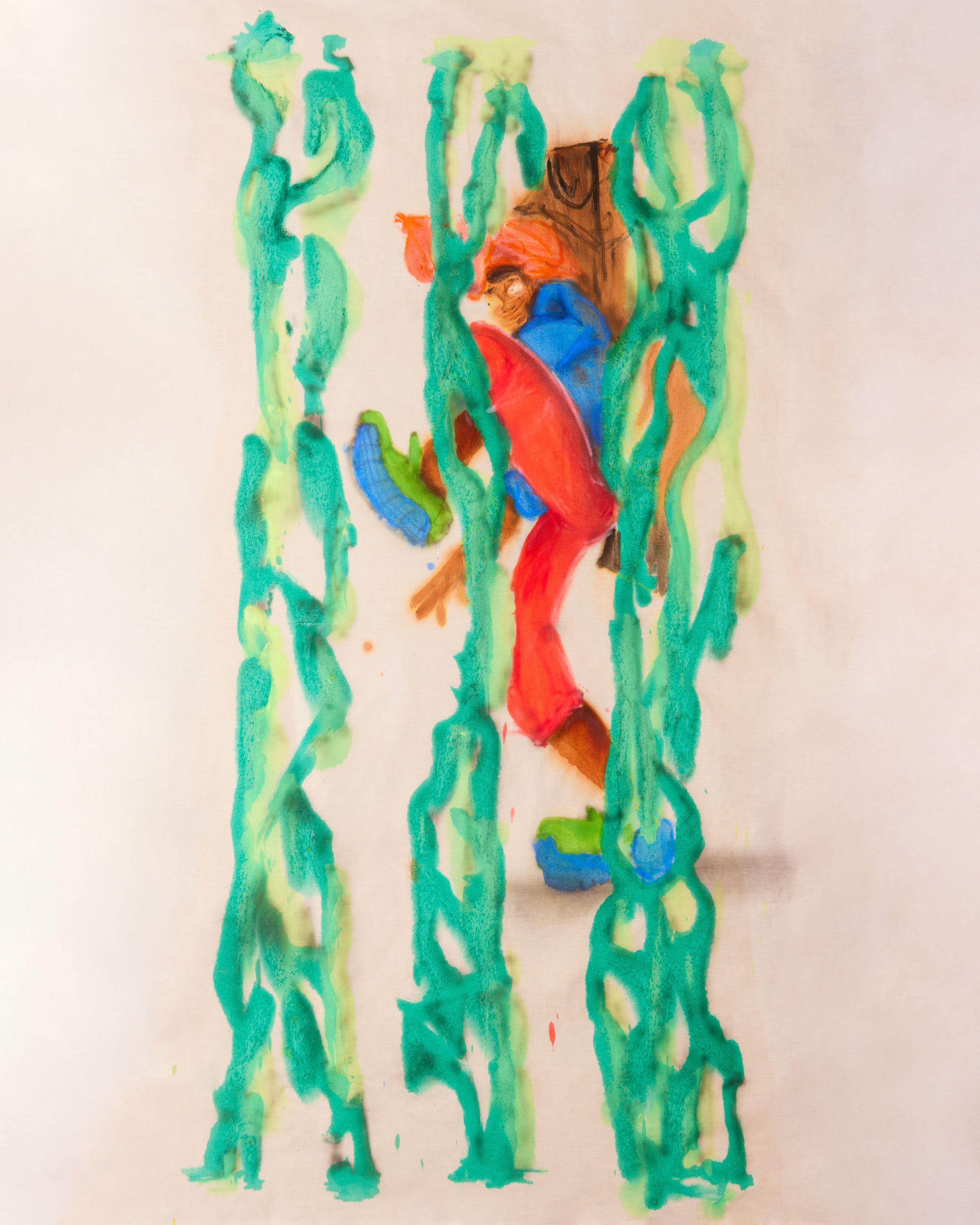
George Greaves: We were inspired by the idea of things being made from old ships, so that sense of history and reinvention became a starting point for us.
Raphael Greaves: We usually try to capture a vibe or a mood. The ship was the initial reference, but from there it became about creating a feeling – something about flow, movement and exploration. That fed into the shapes we used, the colours and the figures.
The scent itself is inspired by the building. What did you think of Liberty LBTY. Fragrance’s Tudor?
Raphael: It’s quite an evocative scent. Talking about fragrance isn’t really my speciality, but it’s definitely woody and fresh.
George: It has that woody, evocative quality and it really does conjure an old-world Tudor feeling. It immediately puts you into a particular frame of mind.
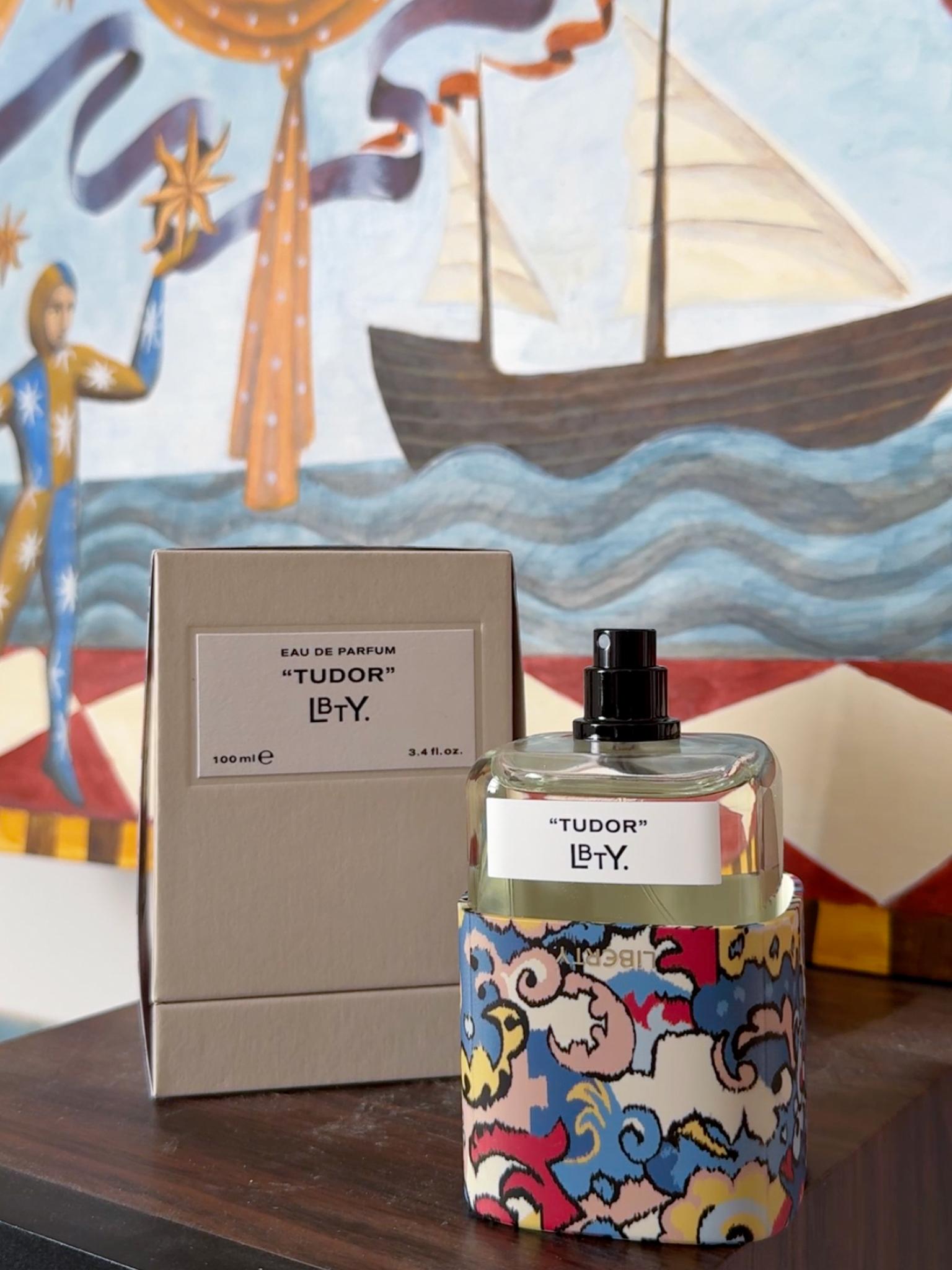
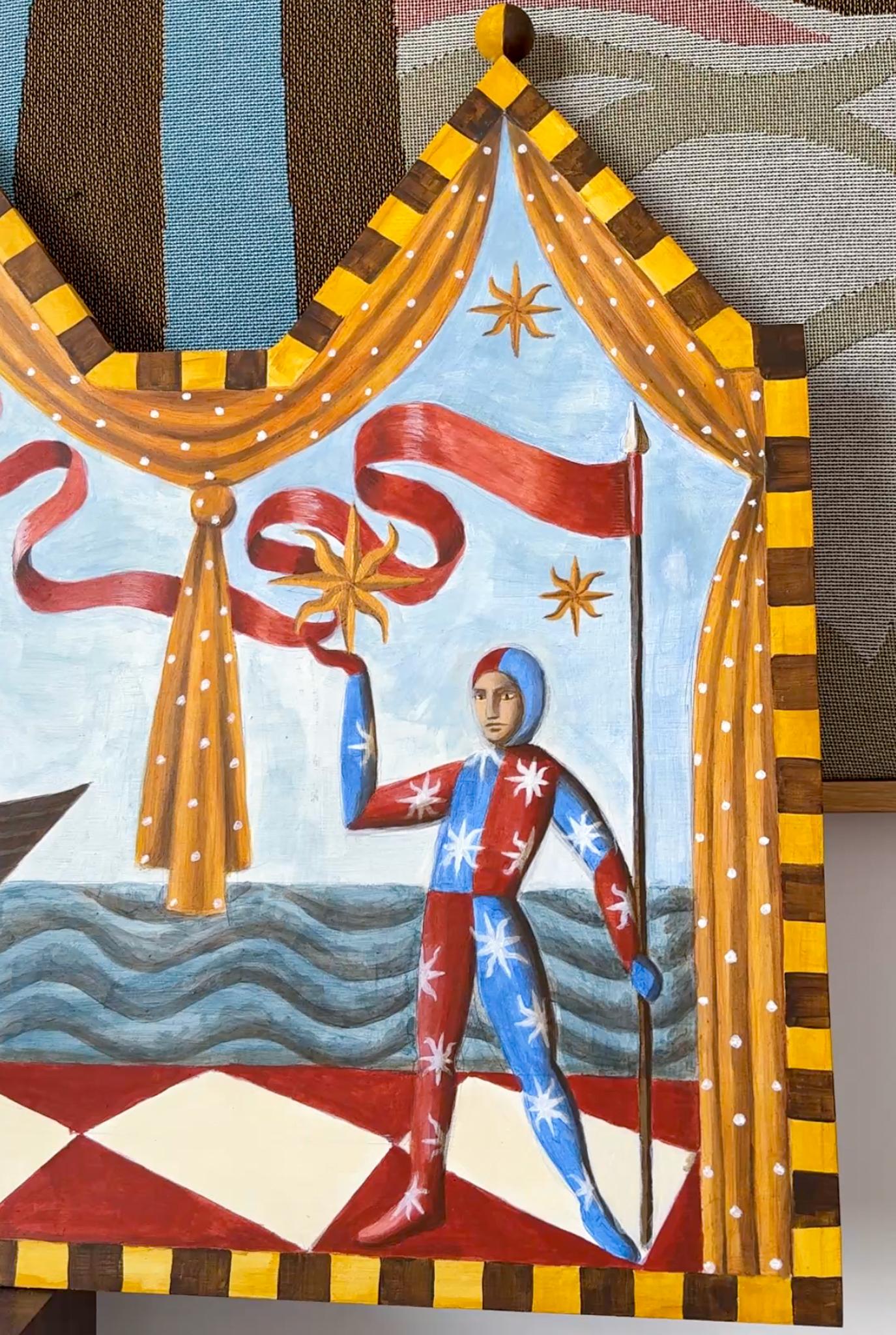
You’ve taken colours from the print on the bottle into the artwork – tell us about that?
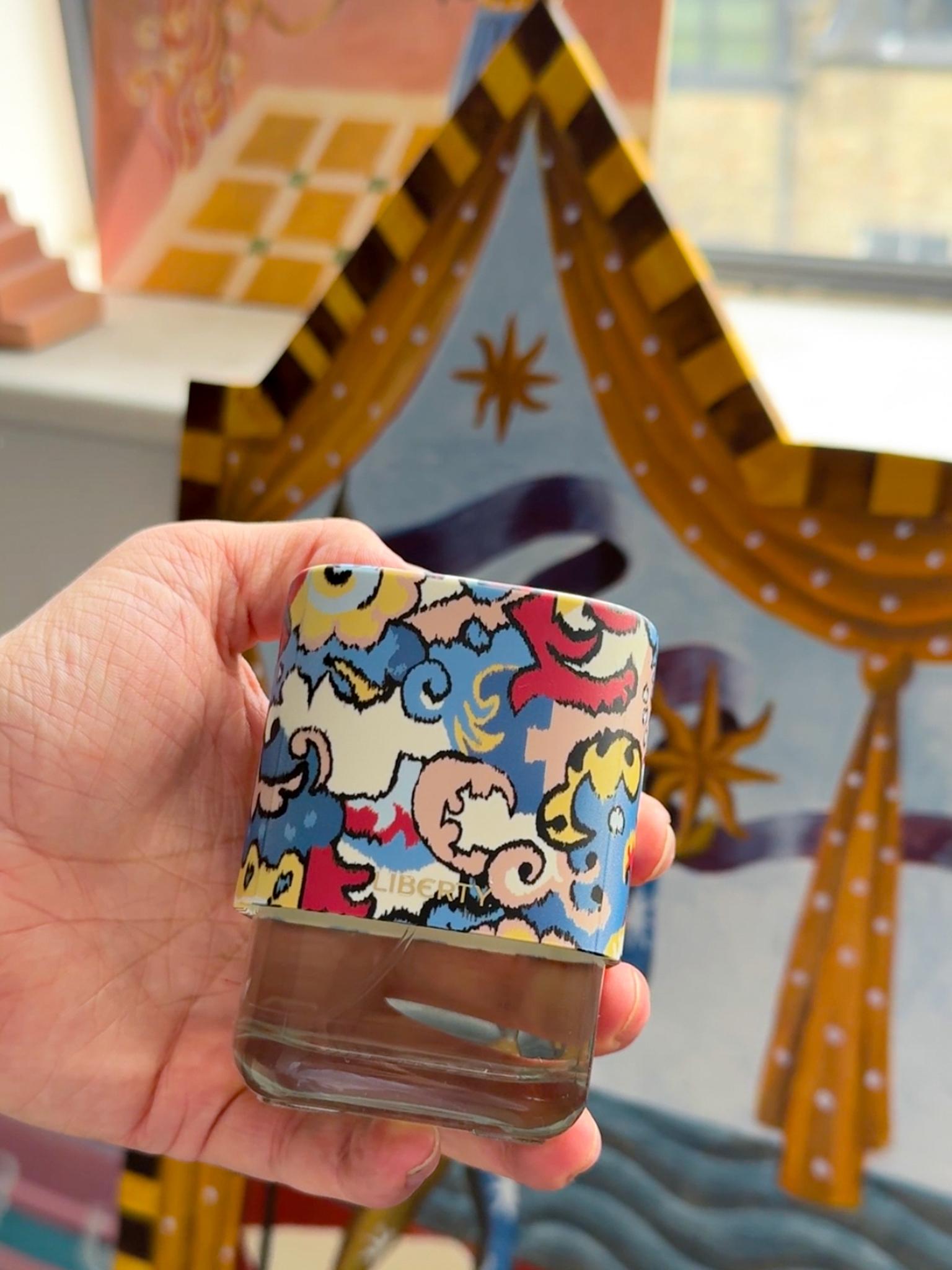
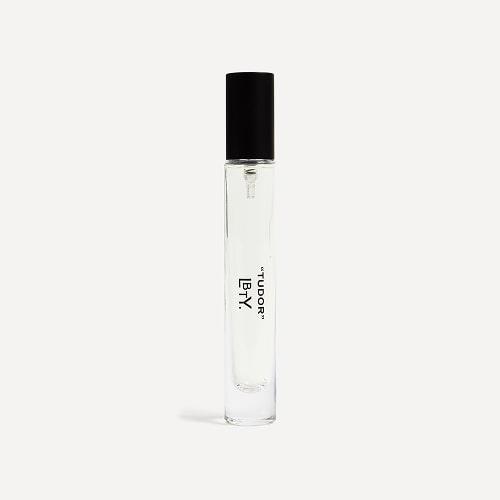
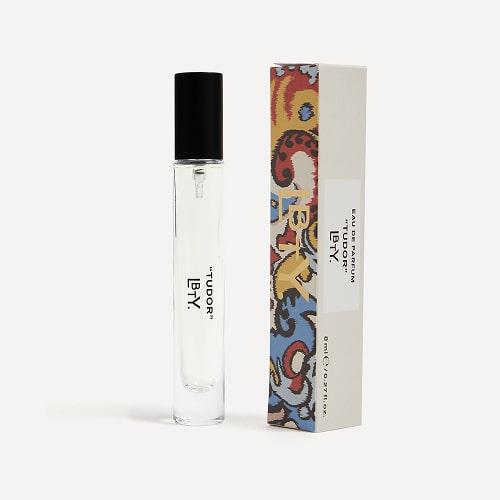
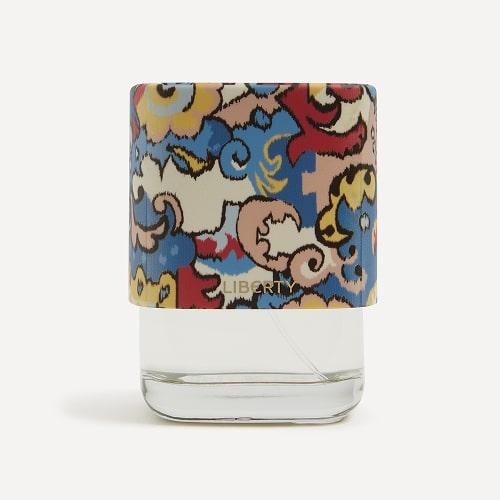
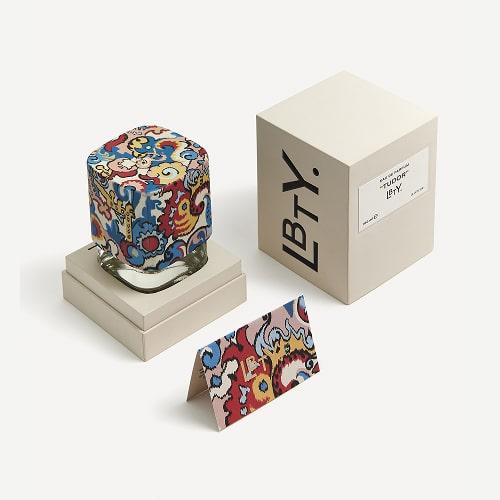
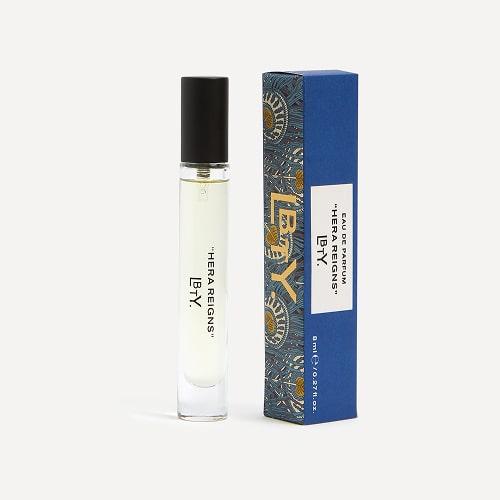
George: Yes, quite unconsciously. The Liberty fabric print is so beautiful and iconic that it naturally fed into the work.
Raphael: It feels modern and contemporary, but it also harks back to old tapestries. That really aligns with what we try to do – drawing on historical references and bringing a contemporary freshness to them.
Tell us about the shape of the work – the triptych format.
Raphael: We chose the triptych shape because it references Renaissance paintings and icons. The shape of the canvas becomes another element within the work and helps create a particular mood.
George: Liberty is such an interesting building, with all its woodwork and structure, that the format felt like a natural fit.
Raphael: We also referenced the building directly when developing the shape – the triangular spires at Liberty influenced the final form of the work.
How do you work together? What’s your process?
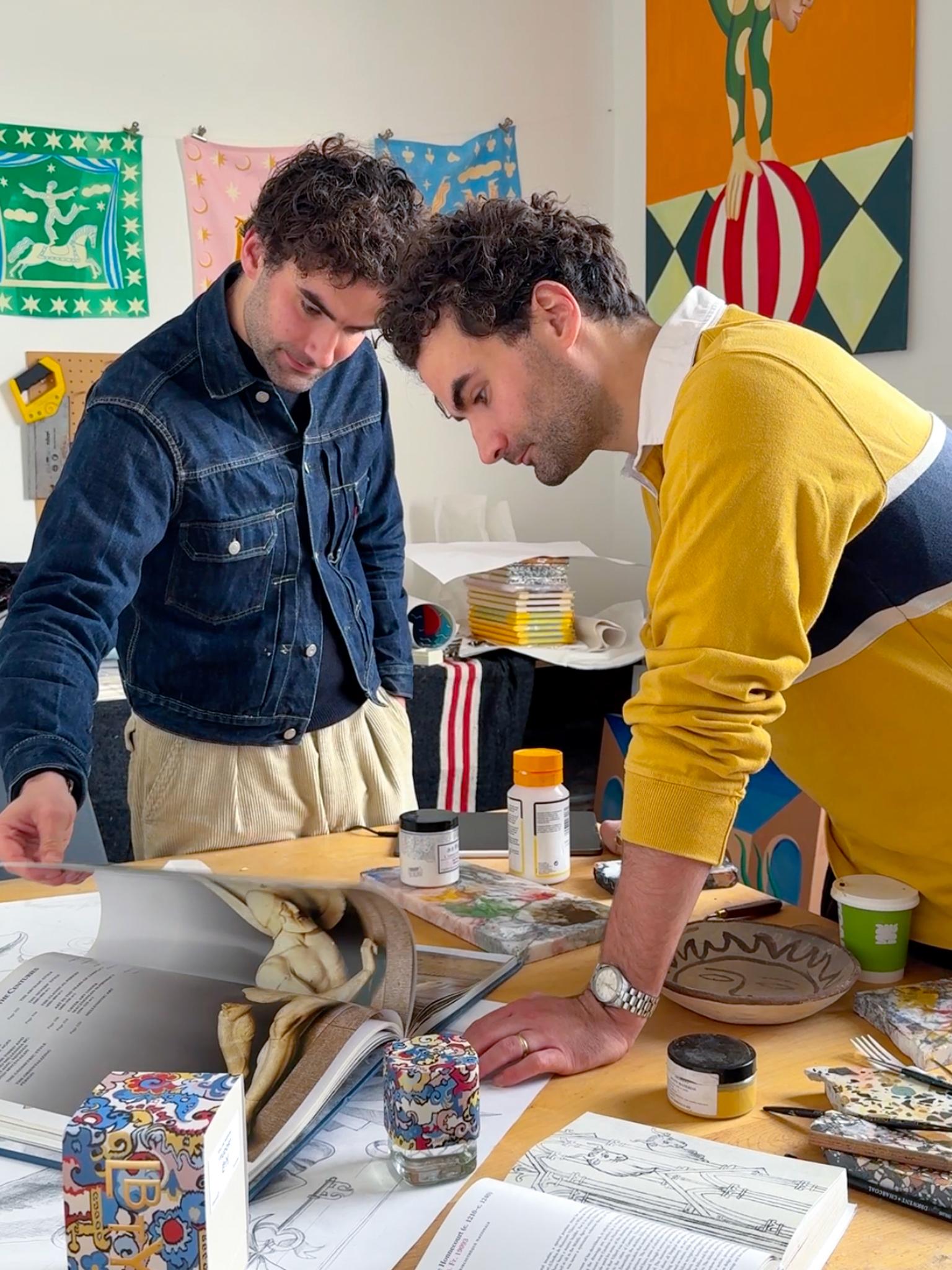
Raphael: We work separately and then show each other what we’re doing. It’s a very unconscious, symbiotic process. We don’t always talk things through in detail – we just respond to what the other is making.
George: It’s like an ongoing conversation. Over time we’ve developed a shared visual language that keeps evolving. One of us adds something, the other responds, and gradually this world of images and symbols builds up. It feels very organic and intuitive.
Do you find it easier being creative together?
George: Definitely. The artistic journey can be quite lonely, so being able to support each other is really special.
Raphael: There are always ups and downs. Having someone going through the same thing makes it much easier.
Were you creative as children?
Raphael: Yes, very much so. We were drawing from a very young age and creativity was really encouraged. Our parents often took us to museums, galleries and National Trust properties, which we loved.
George: We’d come home from school and just draw constantly. We did that almost every day. It’s always been a huge passion, and it felt very natural to carry that through into adulthood.
What motivates you to be artists?
George: For me, it never really felt like a choice. It’s just something I had to do. I don’t think I could do anything else, so in that sense the choice was easy.
Raphael: I think it’s an innate thing, but also the idea of creating beauty and adding something positive to the world feels important.
Do your tastes differ artistically?
George: Raphael’s work is maybe a bit more free and stylised, while mine is more graphic.
Raphael: You can probably see it if you look closely at the work. I tend towards the more illustrative, and George towards the more graphic and decorative.
Your work has a very recognisable style - where do you find inspiration?
George: Inspiration comes from lots of different places. We’ve always been fascinated by early Renaissance painting because of its simplicity and beauty.
Raphael: We also look at folk art and early twentieth-century artists such as Matisse, Fernand Leger and Ravilous. That kind of symbolic imagery, pattern and colour really resonates with us.
The jester motif appears a lot in your work. Where does that come from?
George: We like to introduce a playful, fun element into what we do. We use a lot of symbols and slightly mythical elements, and the jester has always stood out to me. It’s quite complex – there are a lot of ideas tied up in it – but ultimately it carries a sense of fun energy.
Raphael: The jester also feels very representative of the creative spirit. It’s a kind of fool, and in creativity you have to be prepared to look foolish sometimes. Interesting things can come out of that. The jester really captures that idea.
How important is it to you that art is accessible?
George: We believe art should be for everyone and part of everyday life. It should be integrated into how people live and improve their lives. You don’t need an intellectual understanding for something to resonate. It can simply bring joy.
Raphael: Accessibility is fundamental to what we do. Art is often presented in an exclusionary, elite way, but everyone can appreciate it. You don’t have to sacrifice depth or detail to appeal to a broader audience.
What does it mean to be working with Liberty on this project?
George: Liberty is such an iconic British institution. It’s something I’ve been aware of for as long as I can remember, so it’s a real pleasure to work with them.
Raphael: We also have family ties to Liberty, so it feels very personal. It’s such a strong part of British culture, and it’s great to be associated with that.
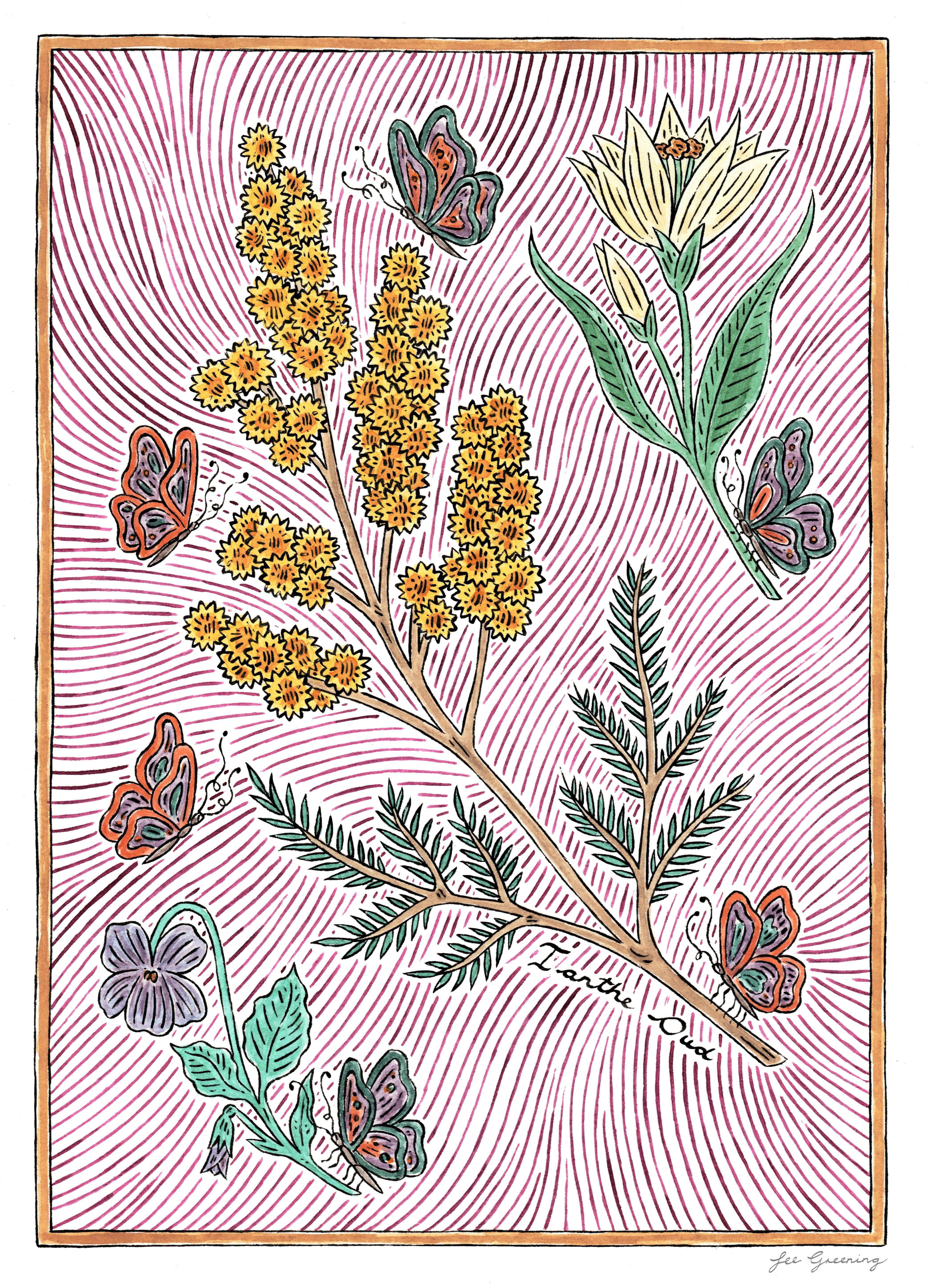
Discover More Inspired by LBTY. Artworks
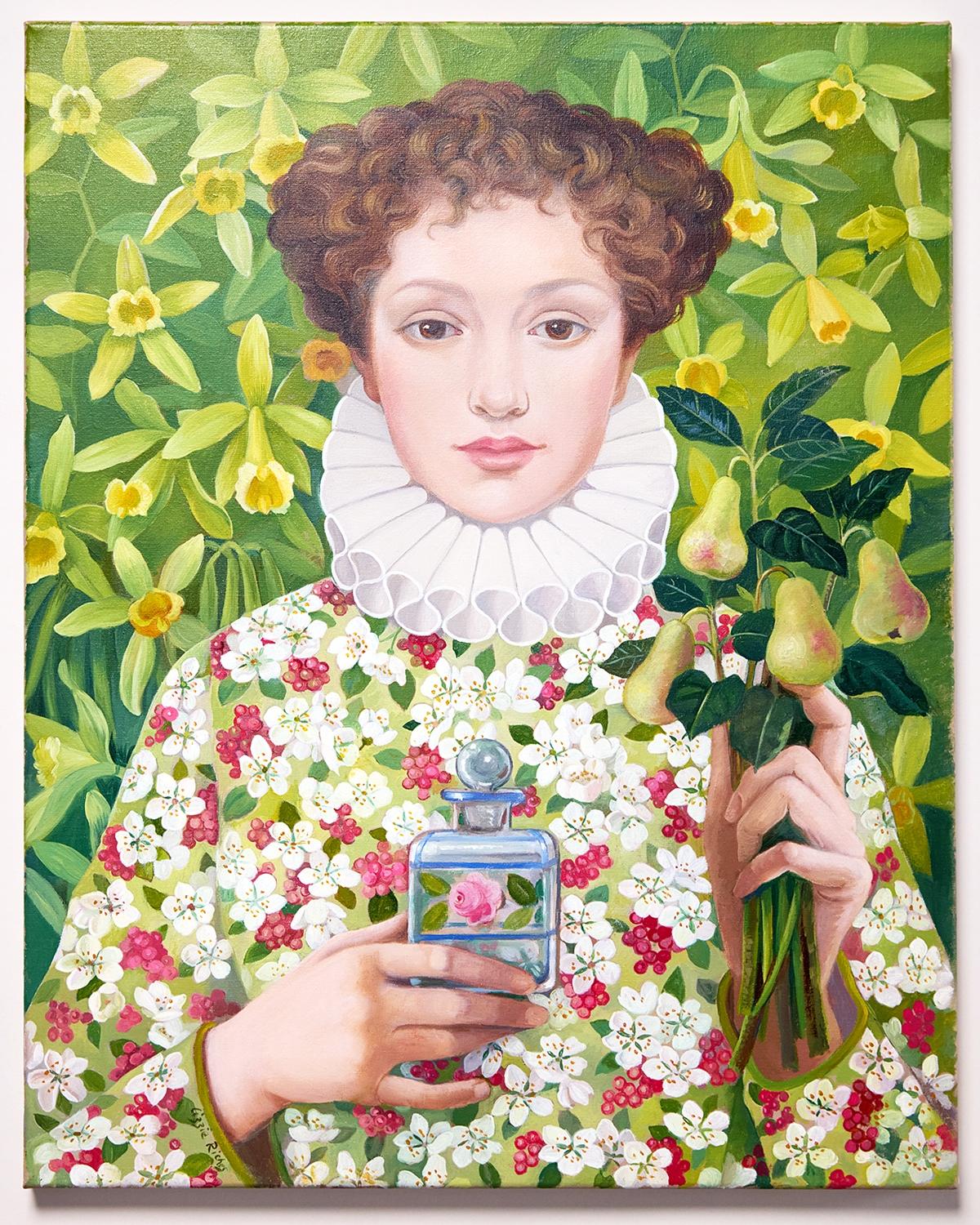
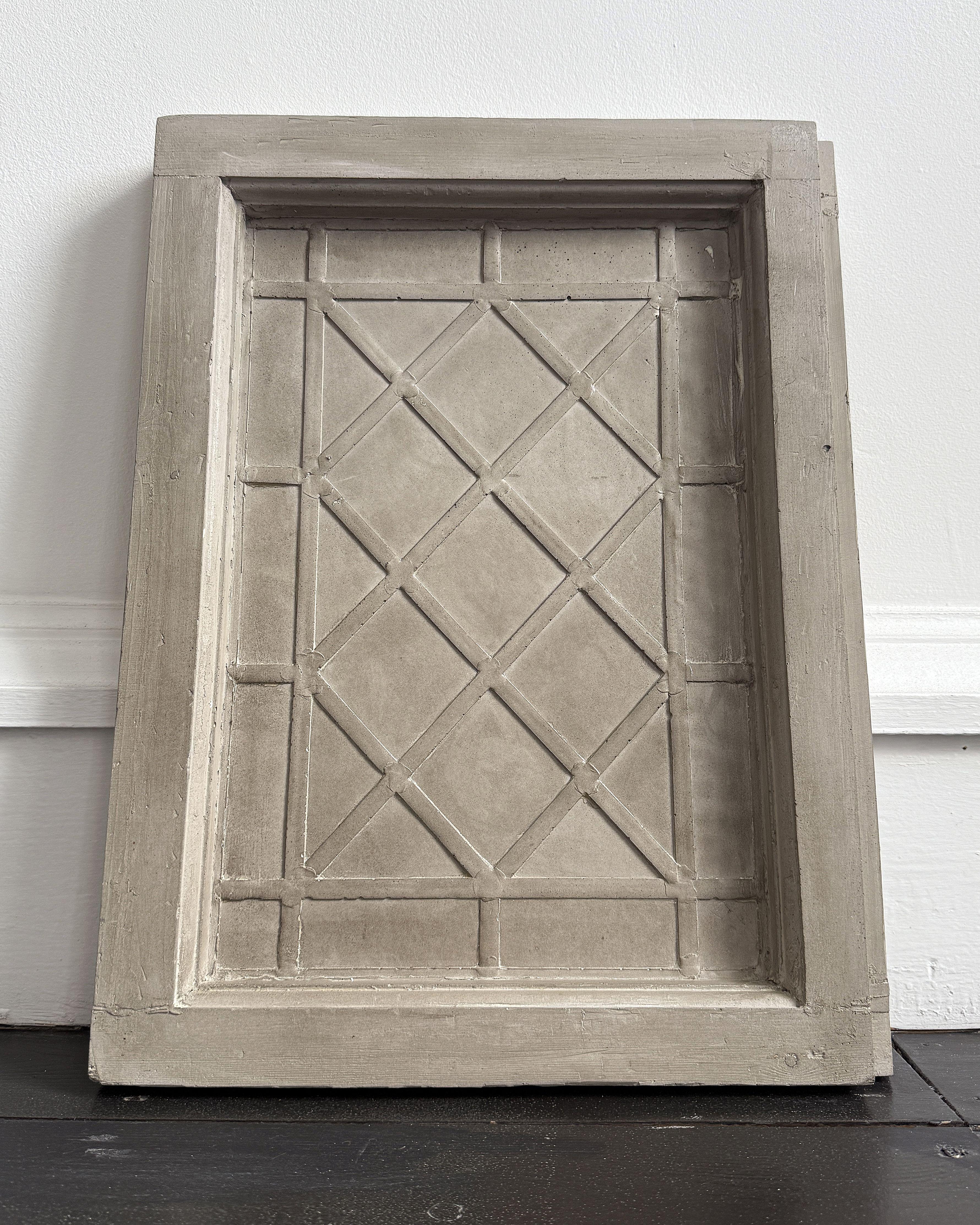
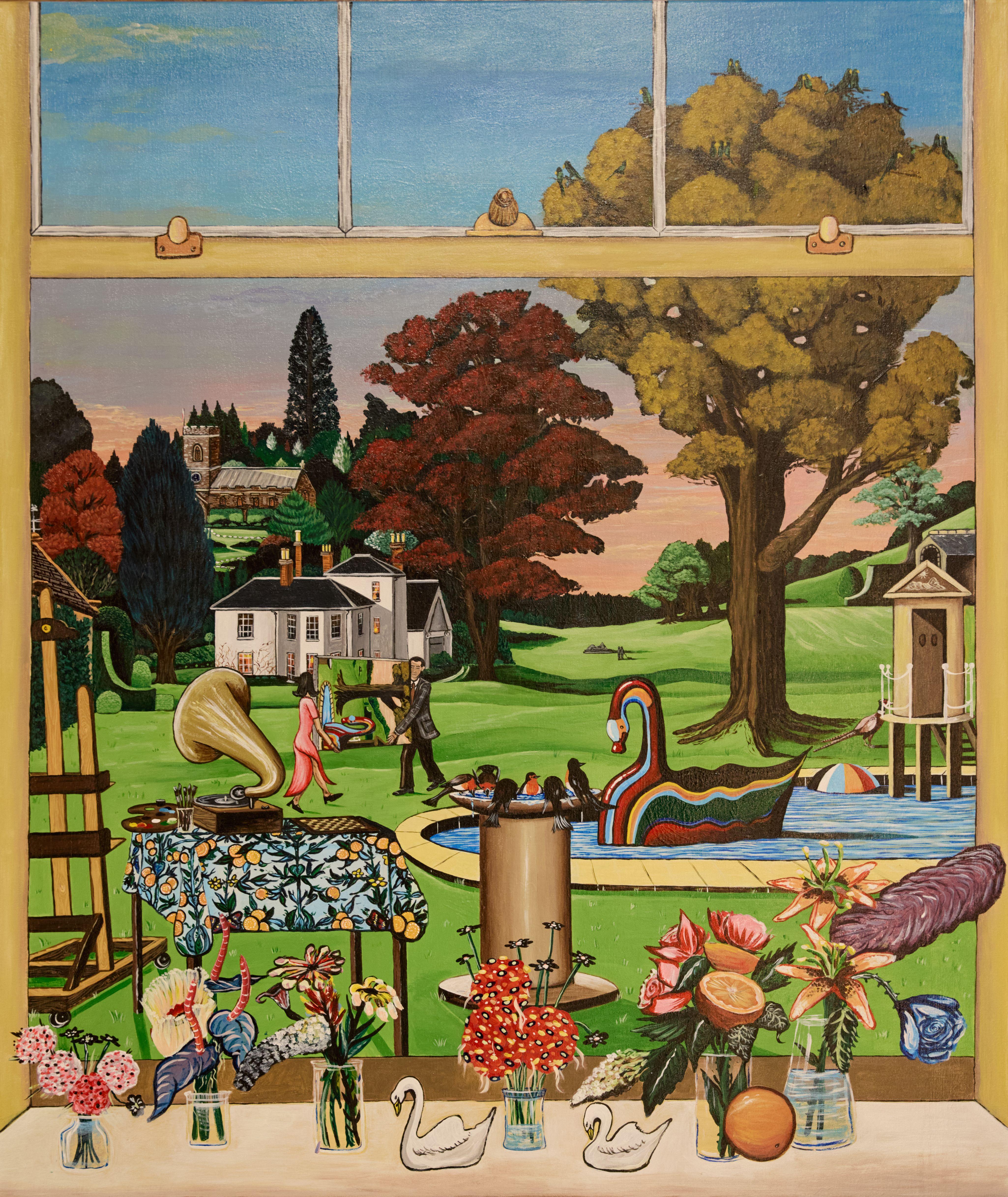
Tudor by George Richardson



?fmt=auto&qlt=default&metadata=true$poieg$&w=1000&h=1300&sm=c&poi={$this.metadata.pointOfInterest.x},{$this.metadata.pointOfInterest.y},{$this.metadata.pointOfInterest.w},{$this.metadata.pointOfInterest.h}&scaleFit=poi)


?fmt=auto&qlt=default&metadata=true$poieg$&w=1000&h=1300&sm=c&poi={$this.metadata.pointOfInterest.x},{$this.metadata.pointOfInterest.y},{$this.metadata.pointOfInterest.w},{$this.metadata.pointOfInterest.h}&scaleFit=poi)


