
Hypernova 150: The Icons | Episode 4: The Double L
The ancient techniques and contemporary artistry that lies behind Liberty Hypernova 150’s signature monogram
Read more
Hypernova 150: The Icons | Episode 4: The Double L
The ancient techniques and contemporary artistry that lies behind Liberty Hypernova 150’s signature monogram
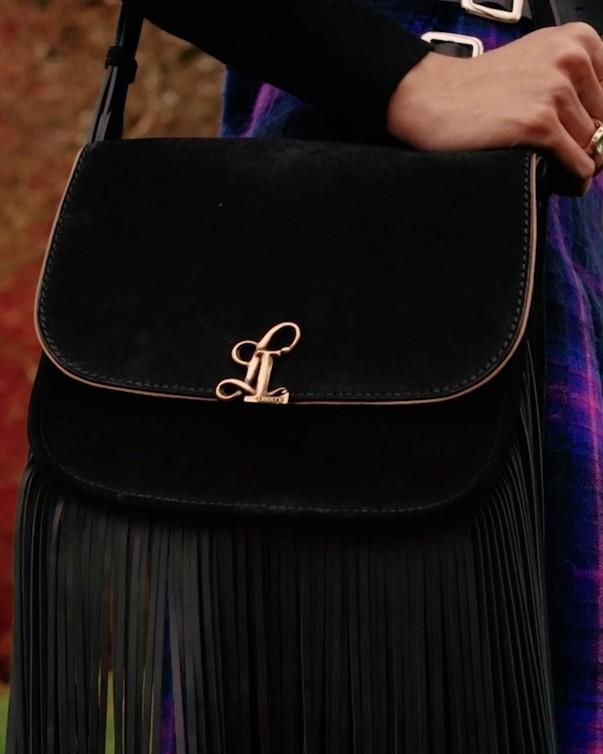
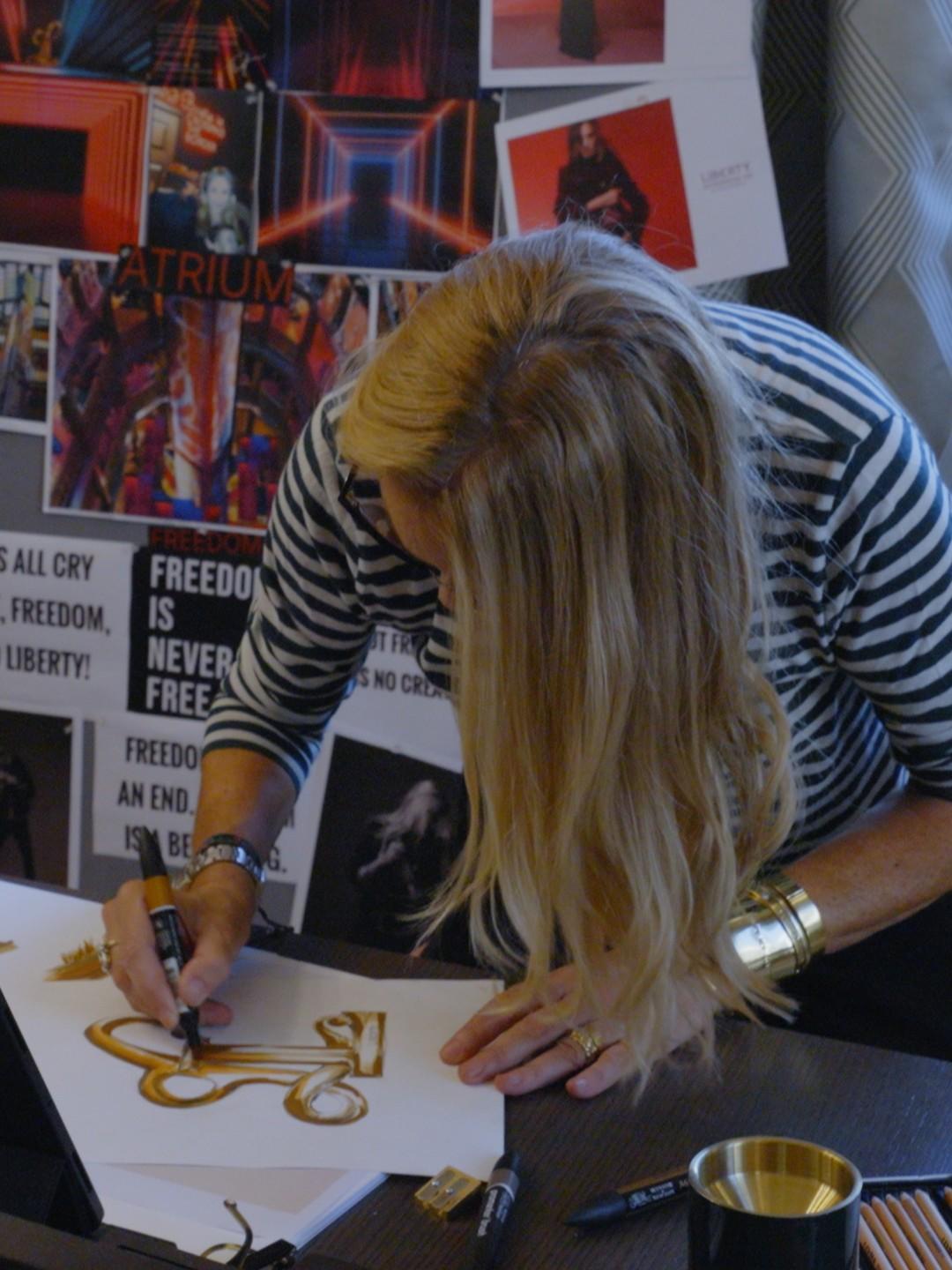
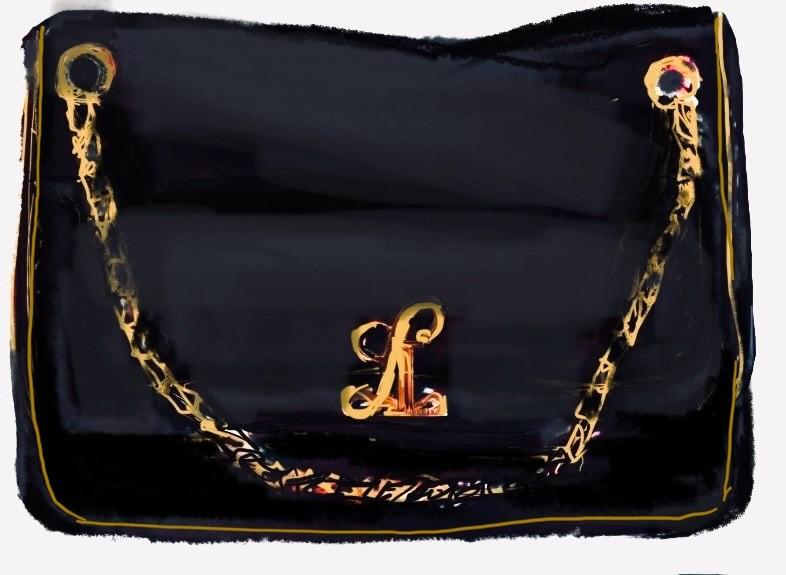
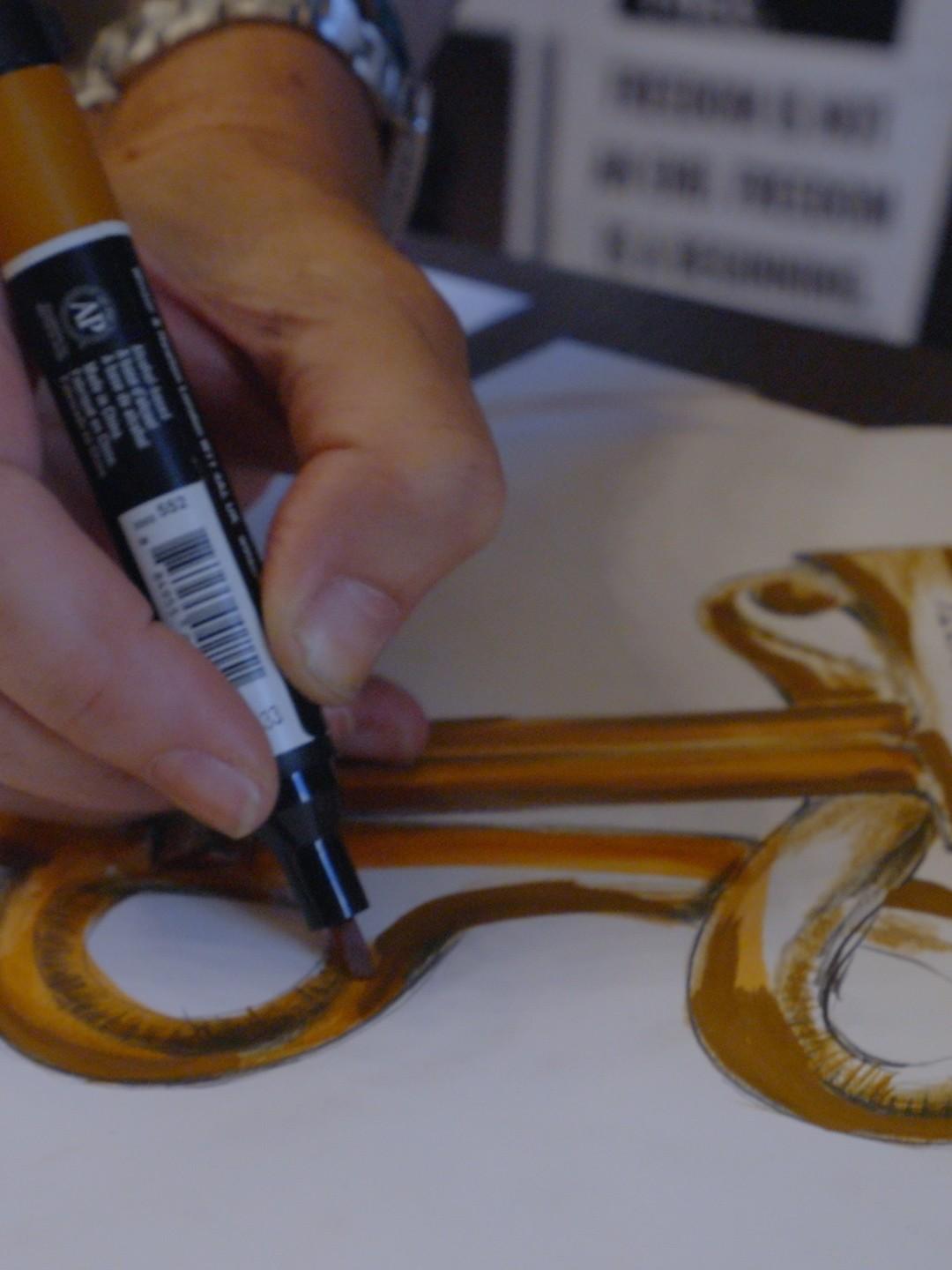
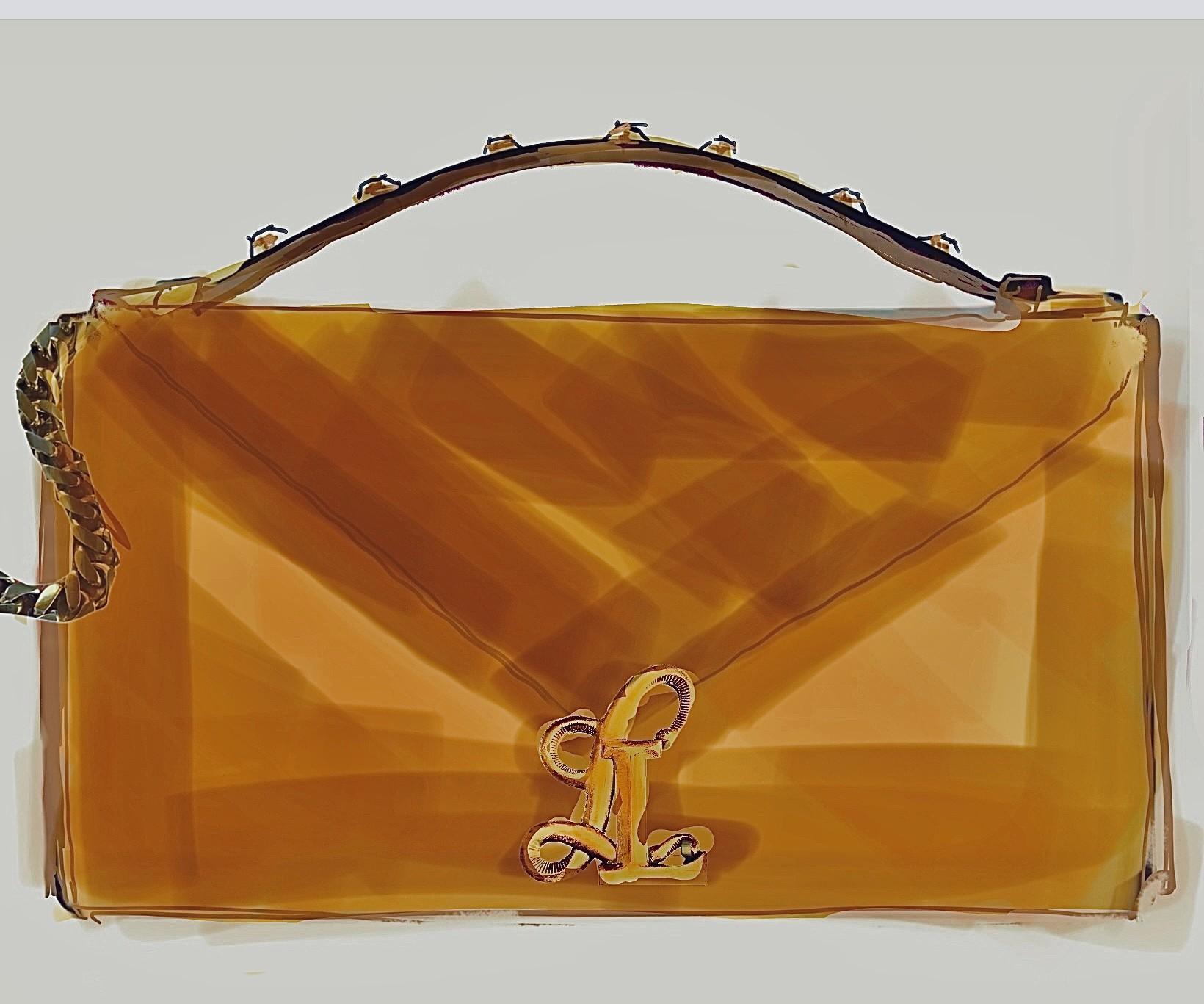
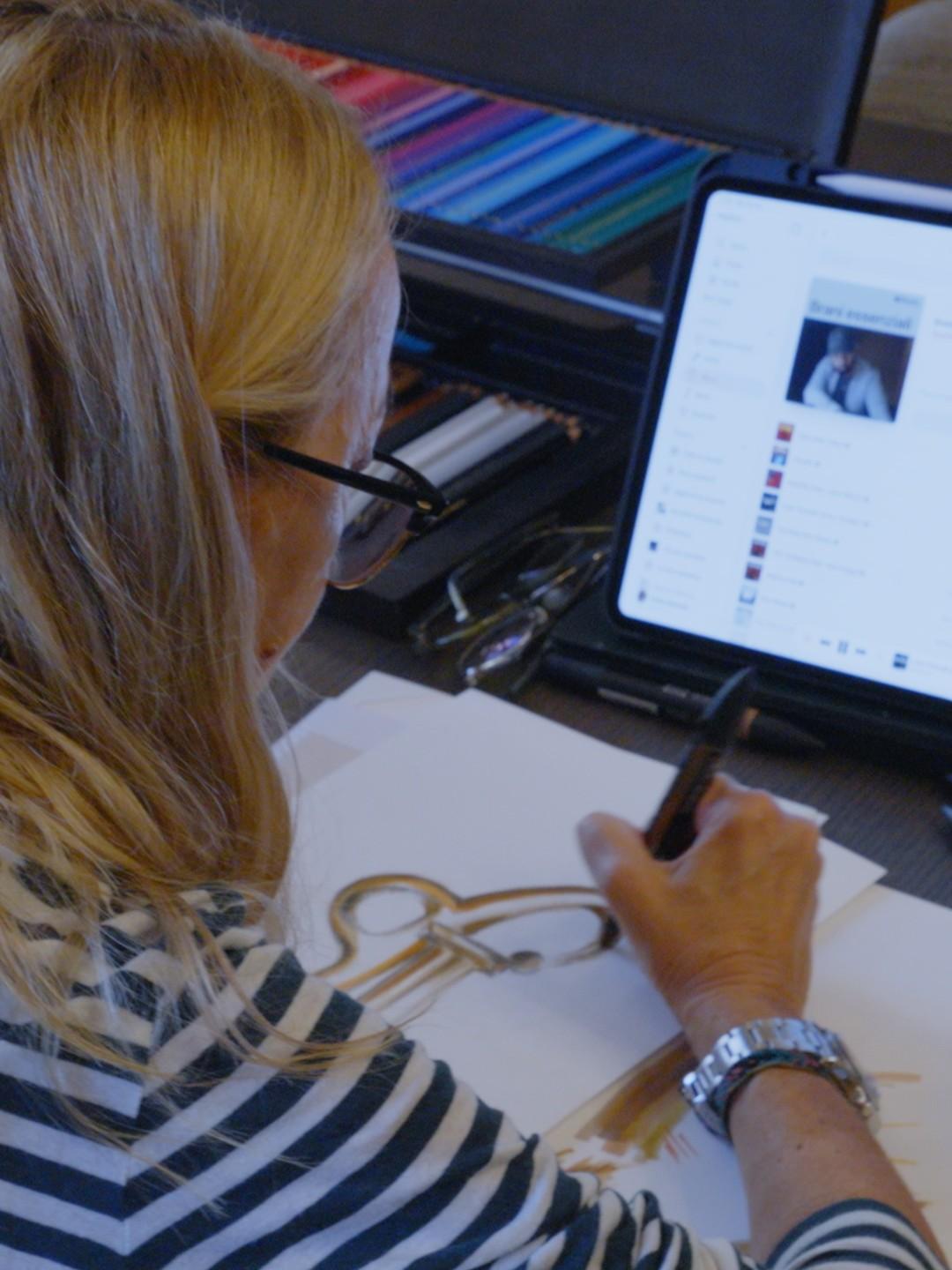
With its interlocking “double L” motif, Liberty Hypernova 150’s signature hardware is the perfect miniaturised reflection of the collection’s vision. Hand-drawn and designed for Liberty by artistic director Frida Giannini, the insignia brings together heritage and modernity, artisanal technique and ancient traditions together in both its symbolism and its creation.
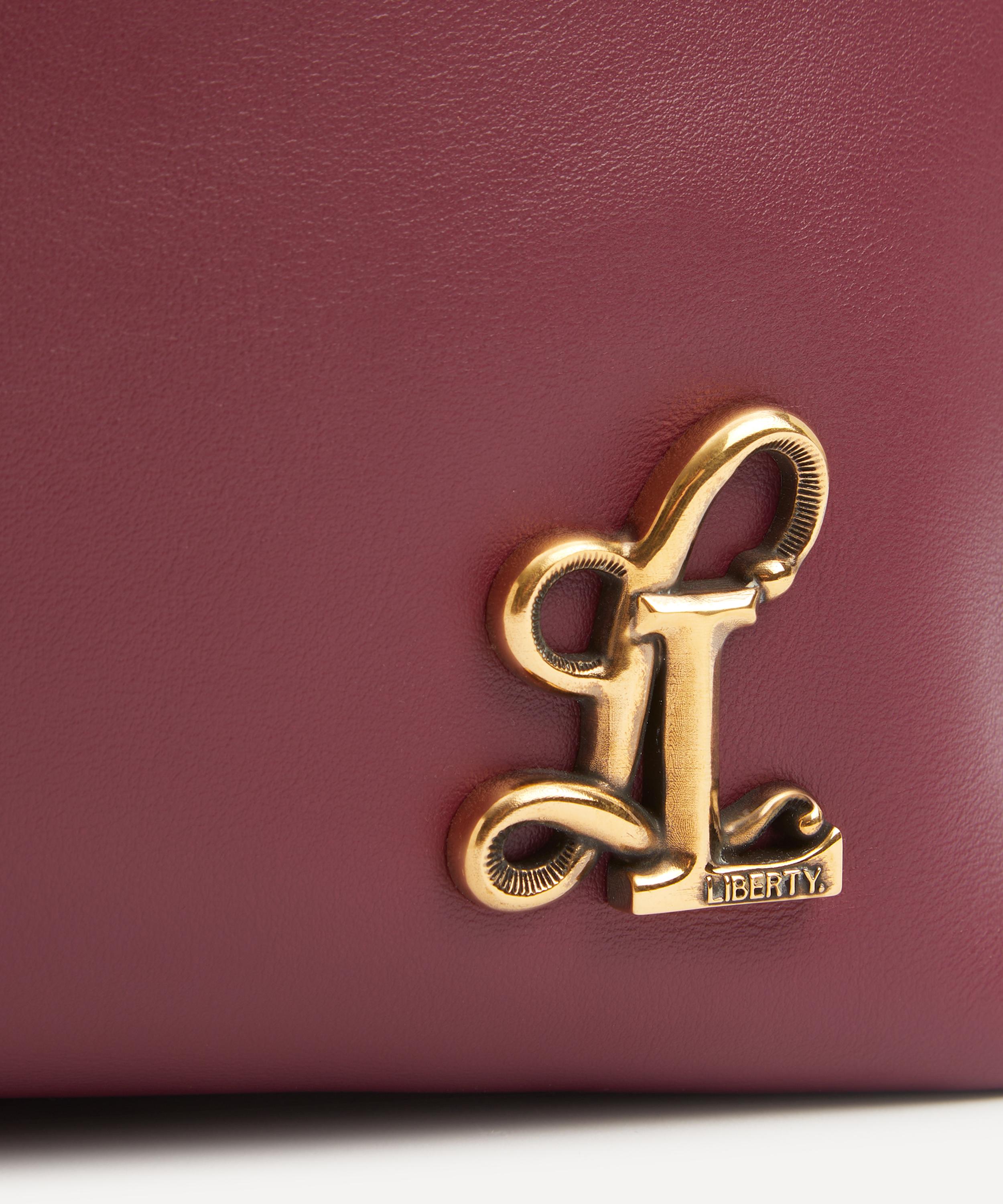
Crafted from shimmering brass, using a technique beloved by Renaissance master sculptors, the design represents the double Ls of Liberty London – and was designed by Frida as a timeless symbol of Liberty’s avant garde flare.
Appearing across the Liberty Hypernova 150 collection, the design adds an elegant signature to bags, accessories and beyond

A Design for the Future
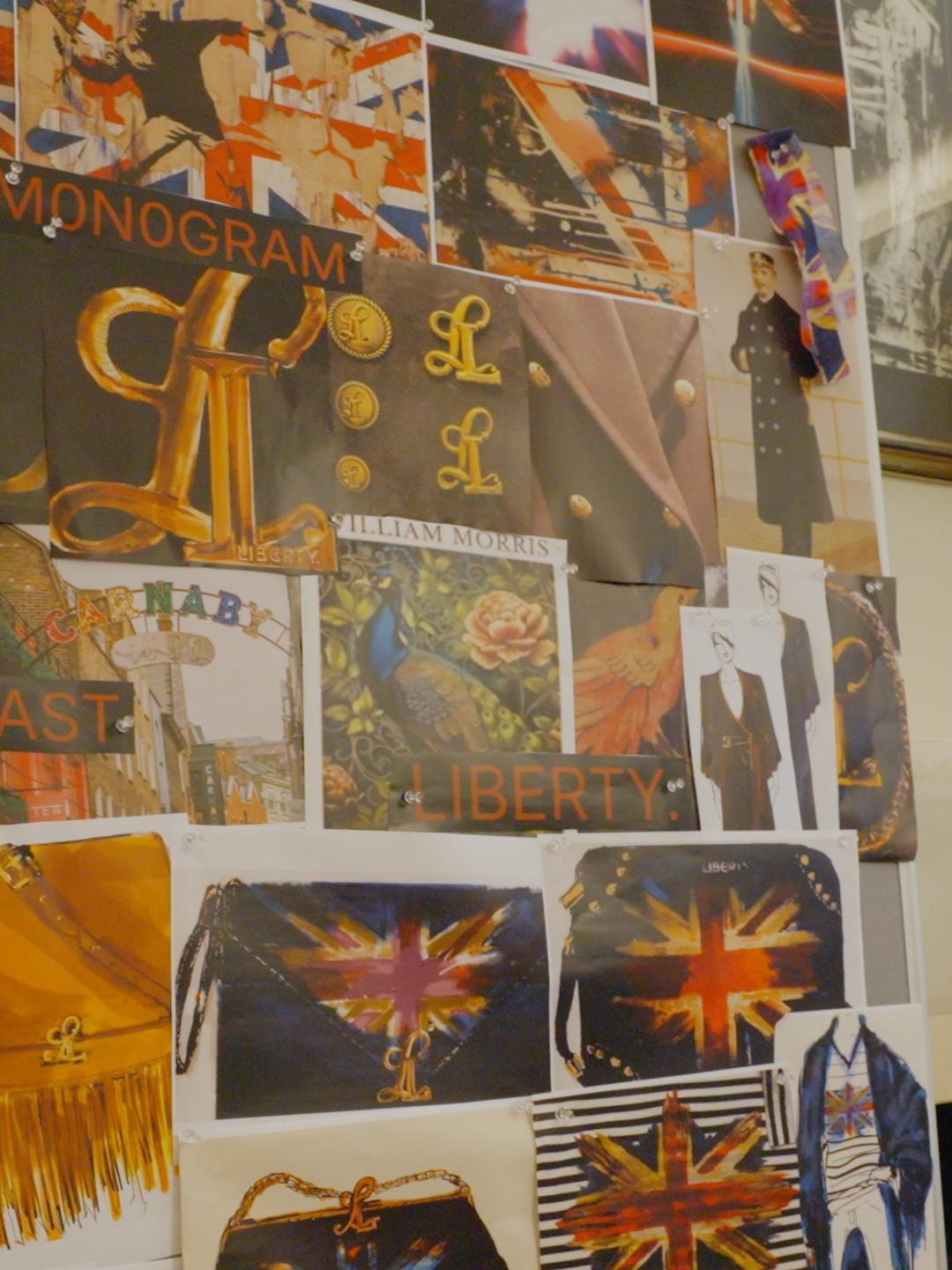
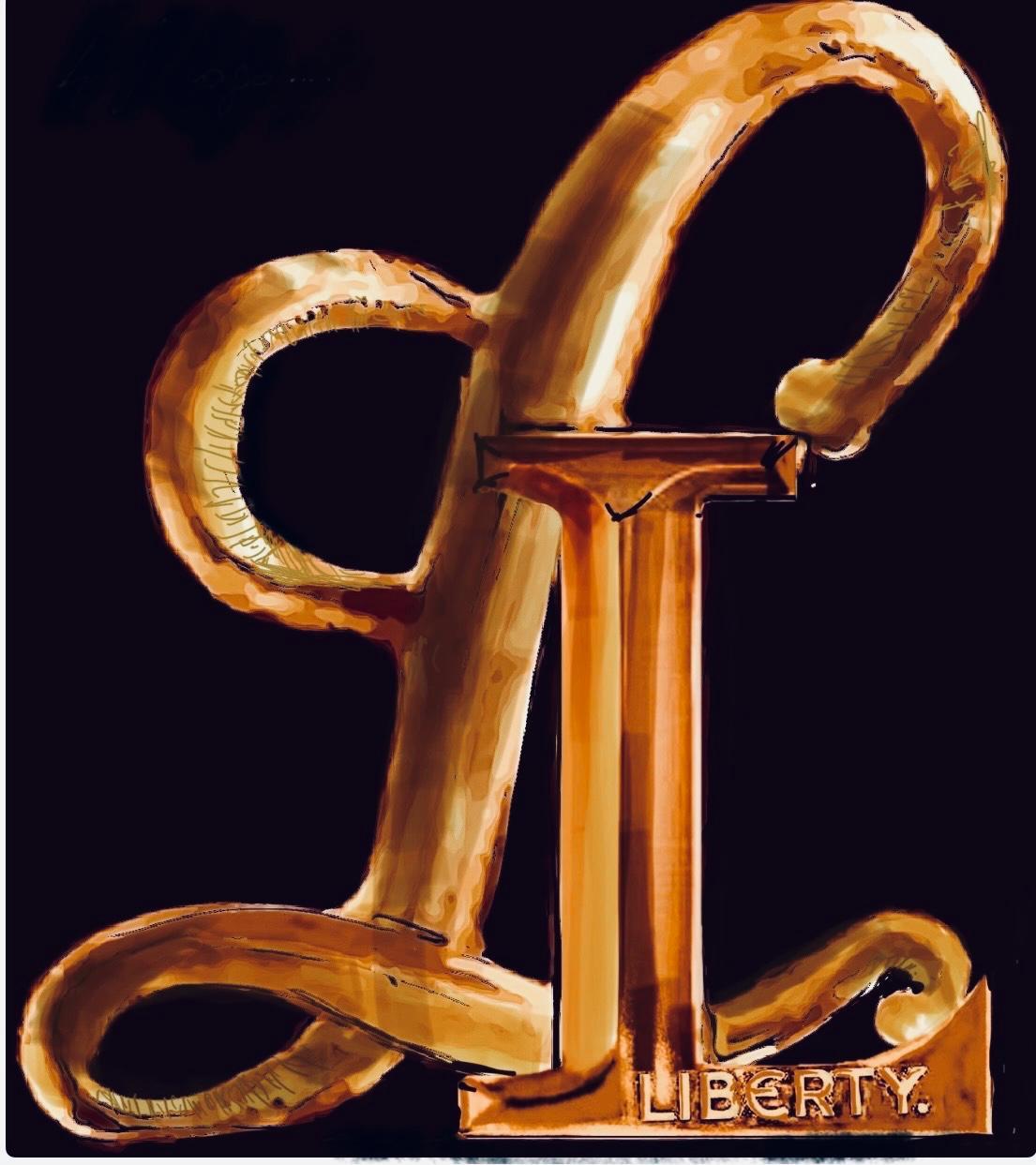
With its interlocking double Ls, one clean and minimal, one an ornate serif, Frida’s design carefully mirrors Liberty’s past and future. “The dual emblem is important to me: one symbol is more organic and speaks to the original Liberty mood and the founder’s vision, the other looks forward to the future,” explains Frida. “It’s a real combination of heritage and modernity.”
Layers of meaning are embedded in Frida’s precisely crafted design. The first L is a clean, deco-inspired form alluding to Liberty’s strong historic association with art deco, alongside a more organic version of the logo which, as Frida notes, nods to the original mood of Sir Arthur Lasenby Liberty – signifying a freedom of expression and artistry.
In combination, these Ls become a new signature for Liberty, an icon to move forward into the next 150 years.
An Ancient Craft
When it came to the craftsmanship of the double L logo, Frida collaborated with some of Italy’s finest artisans, employing the art of Cera Persa – lost-wax casting – to ensure a perfect finish.
“The hardware is made in one of the best factories in Italy,” says Friday. “To create new jewellery for the bags, it was essential to have the perfect factory and the perfect quality, because you need to feel the substance, that weight and richness.”
With origins tracing back almost 5,000 years, Cera Persa is a technique that brings together precision, artistry and transformation. The craft was refined and perfected by Renaissance masters such as Benvenuto Cellini in the 1500s, whose Cellini Salt Cellar, and sculpture of Perseus with the Head of Medusa, are among the finest examples of Renaissance art.
Precision Creativity
To this day, Cera Persa remains one of the most refined ways to shape metal. Its precision is such that it is used as a core technique in the craft of fine jewellery, imbuing each creation with true individuality and permanence.
When creating the double L, a wax mould is crafted from a physical prototype which, using a complex, multi-step process, is then cast in brass. Once cooled, the wax mould is removed, revealing the design. In the final step, known as pulimentatura, each piece is polished by hand, before being plated with an eco-gold finish.
The resulting design is a subtle, elegant gold with a gentle glow – a finish that speaks quietly of quality, care, and respect for craftsmanship.


?fmt=auto&qlt=default&metadata=true$poieg$&w=1000&h=1300&sm=c&poi={$this.metadata.pointOfInterest.x},{$this.metadata.pointOfInterest.y},{$this.metadata.pointOfInterest.w},{$this.metadata.pointOfInterest.h}&scaleFit=poi)


