
75 in Residence: Sofya Tagor
The latest artist to adorn the walls of our in-house restaurant sits down with Liberty to discuss her work
Read more
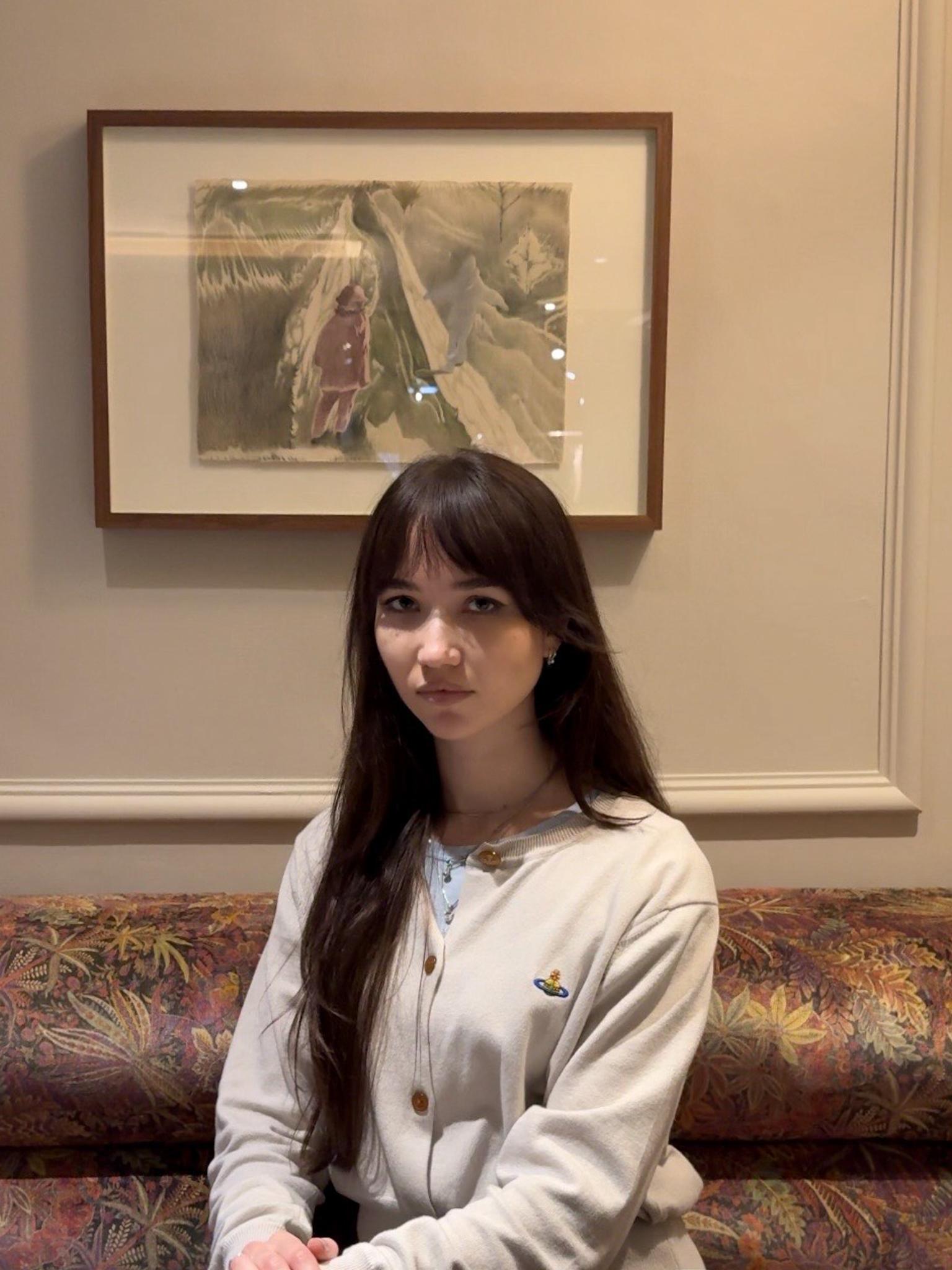
75 in Residence: Sofya Tagor
The latest artist to adorn the walls of our in-house restaurant sits down with Liberty to discuss her work
Art has always been at the centre of the Liberty vision; we’ve remained at the forefront of the artistic movement for 150 years now. So once the doors were opened and the tables were laid at our new all-day dining room, Seventy Five at Liberty, it only made sense that we would use this space to spotlight our thriving community of British artists – from the established to the up-and-coming – through an extraordinary series of residencies.
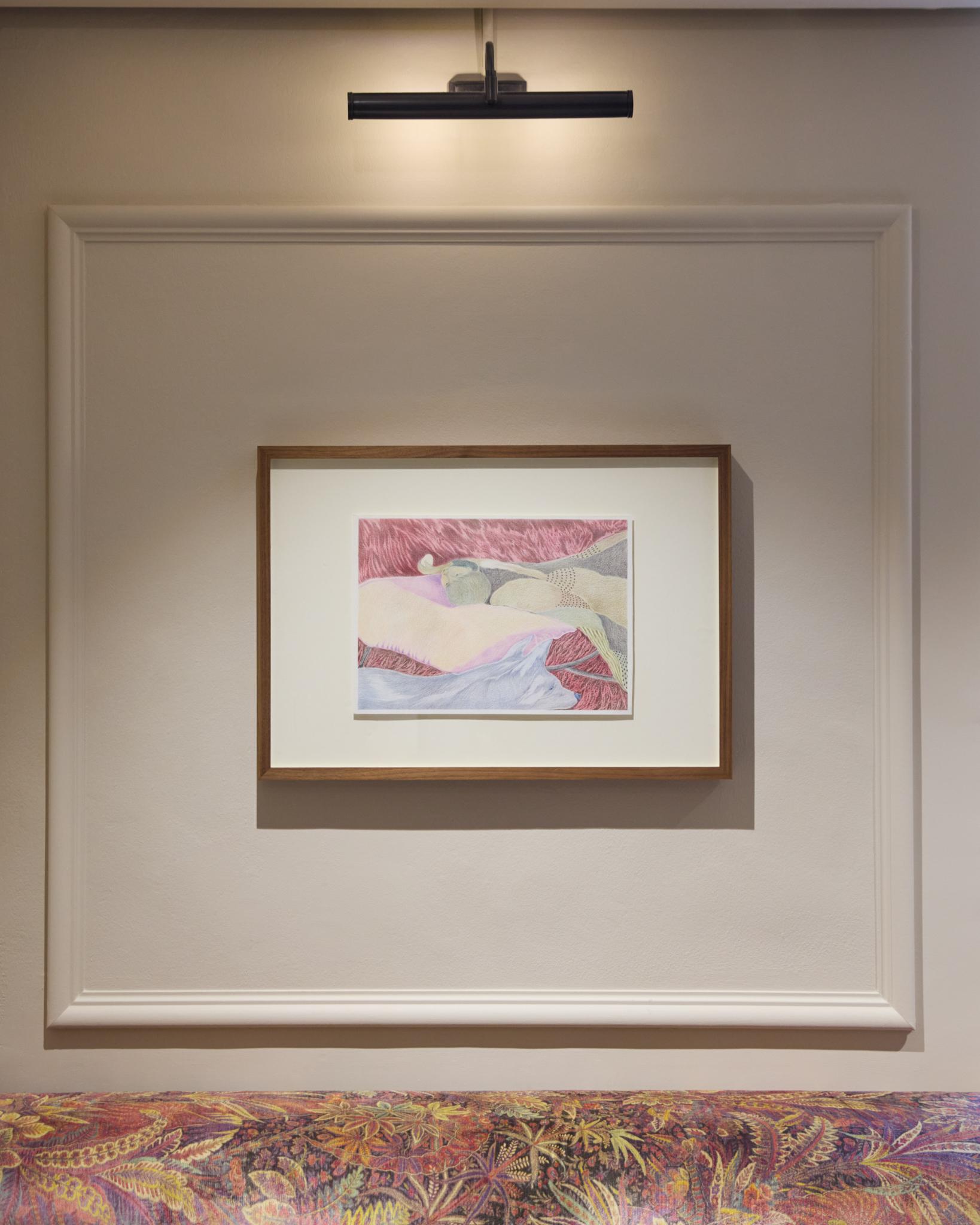
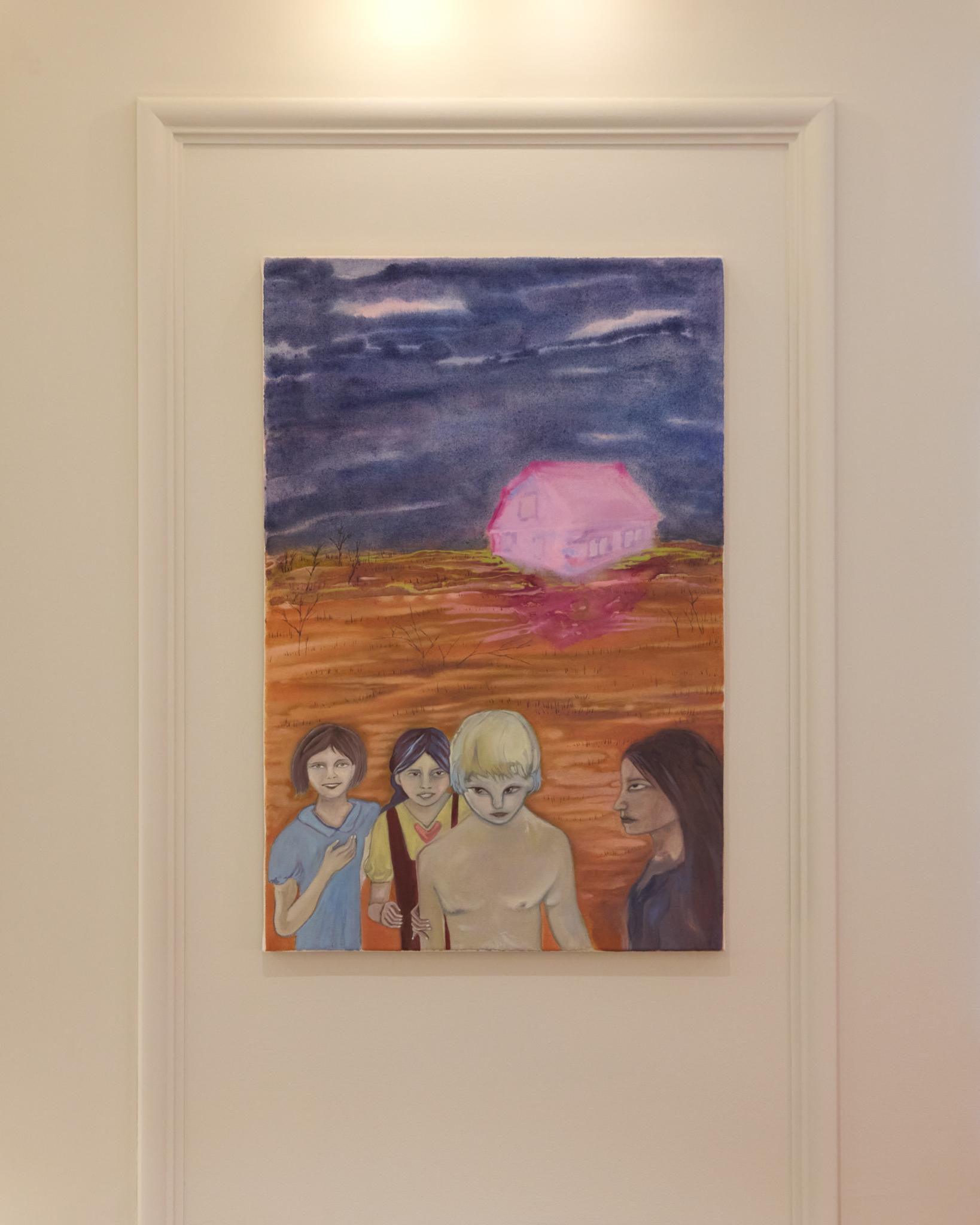
The latest artist to lay claim to our walls is Sofya Tagor, a London-based, Moscow born artist whose work is rooted in meditations on identity, childhood and memory. Her works on display in Seventy Five at Liberty comprise a selection of recent oil paintings, inspired by her own memories of childhood. “I was utilising an archive of family footage and photographs that I have, using them as mnemonic devices,” she explains. “Revisualising my own memories and those in the pictures and footage, and finding a way to combine drawing and painting together.”
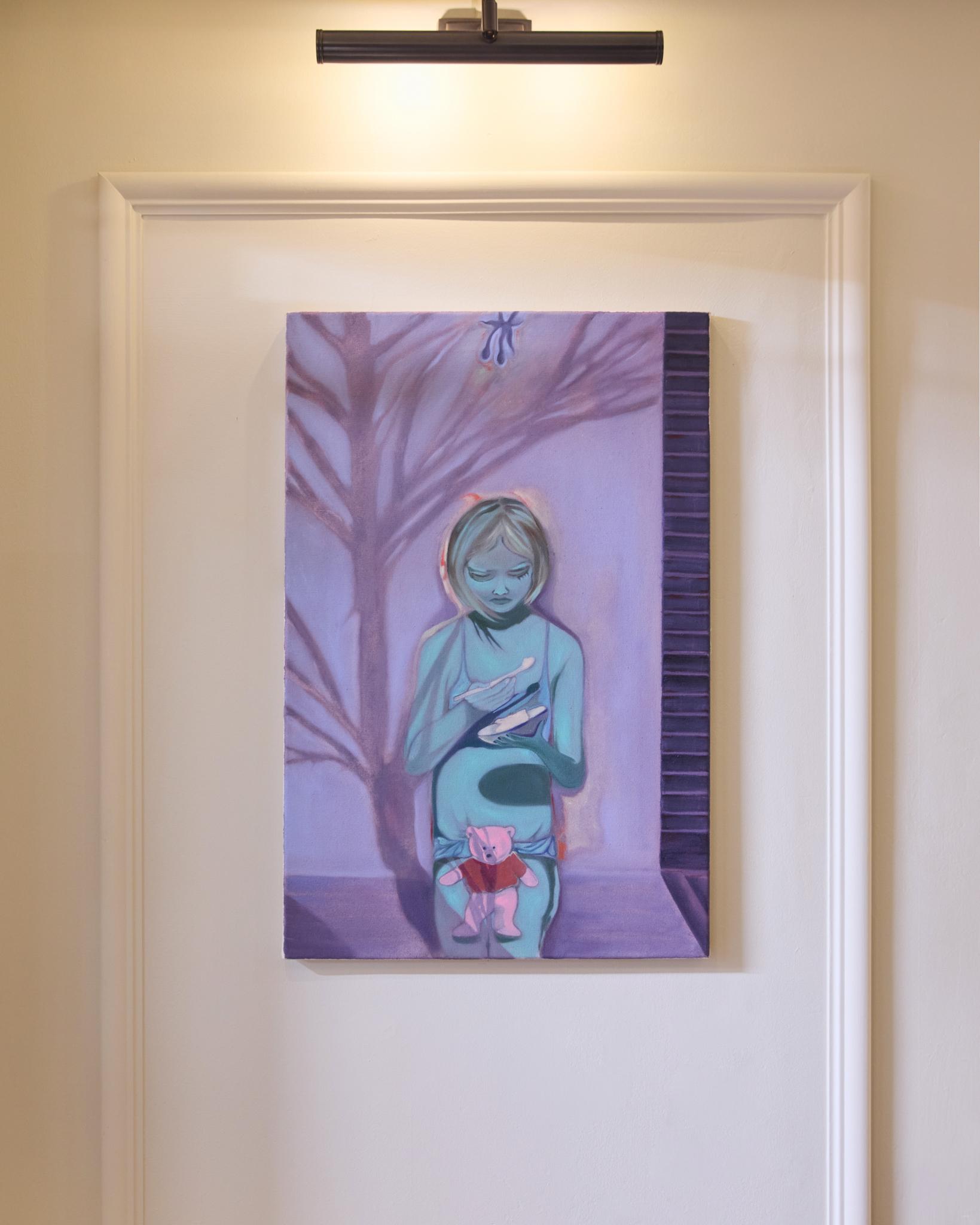
Sofya's works on display at Seventy Five at Liberty
What inspired the work on display in Seventy Five at Liberty?
The work was inspired by my need to return to oil painting. It was all made in the past year here in London. I was still utilising an archive of family footage and photographs that I have, using them as mnemonic devices, revisualising my own memories and those in the pictures and footage, and finding a way to combine drawing and painting together.
How does it make you feel going back through old photographs?
It’s always really strange because they’re memories that are captured, physical representations of memories that I personally might not remember. My parents might remember them, but because I was so little, I don’t. It’s quite a strange experience, especially revisualising them. It’s almost like creating another memory from a memory.
Do you have a lot of memories of being a child?
I do, yes. I actually remember some bits from when I was maybe two or three years old. It’s quite strange, because it’s hard to pinpoint whether they are actual memories. It’s possible that I’ve imagined some of them, or that they never really happened. It’s like creating your own dream world within your head. I don’t know if I miss being a child per se. I think it’s more the feeling of a certain period, a specific time that you can never return to. I did have a great childhood, but whether I miss being a child, I’m not sure.
Tell me about some of the images you found in your family archive. Some of them feel quite dark.
That’s what really draws me to childhood. It can be quite dark. As a child you have so much imagination, you’re creating all these different worlds and imagining all these things. There’s something really interesting about that time.
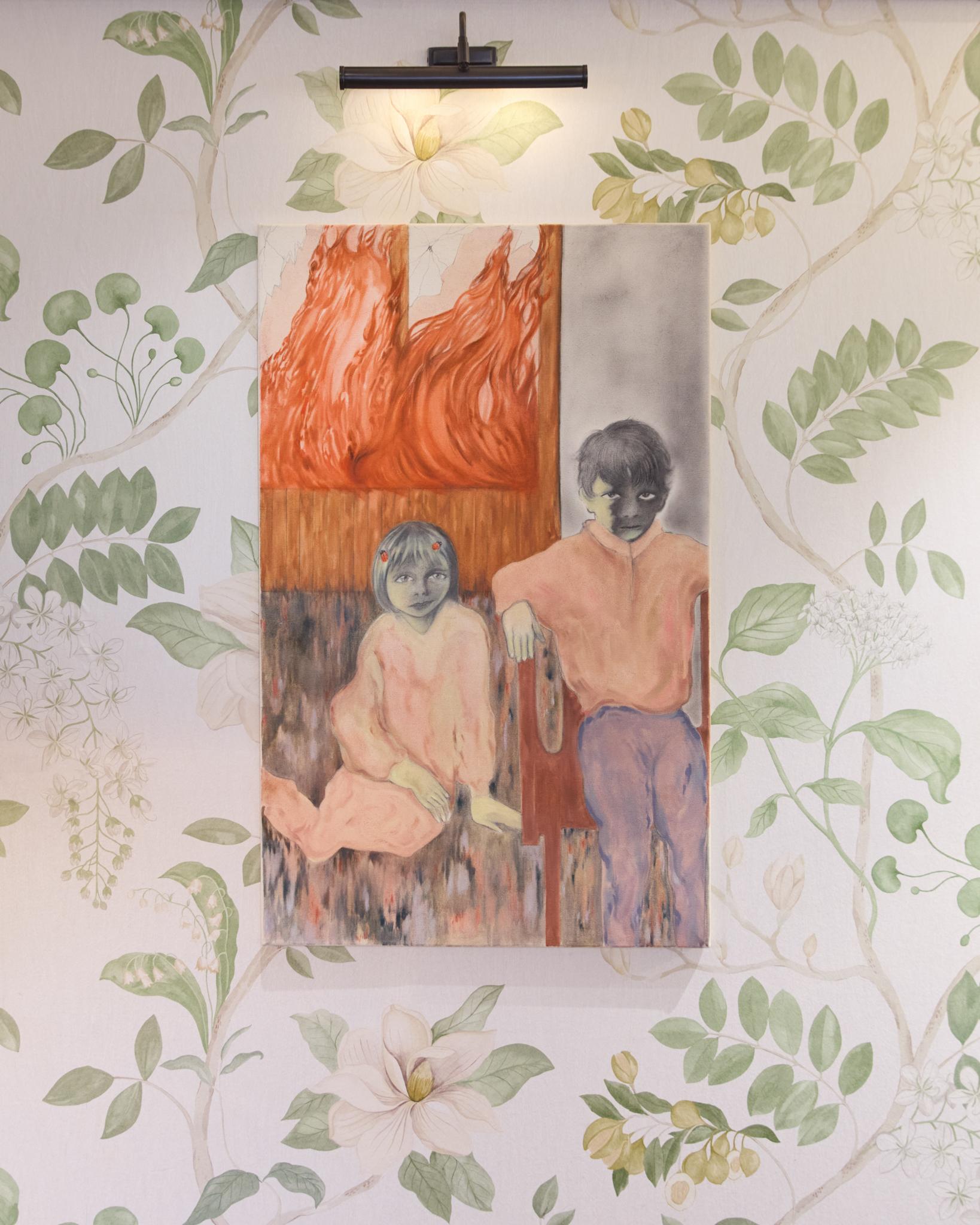
One of the paintings on display at Seventy Five looks like there’s a building on fire. Was that taken from reality?
Yes, it was taken from reality. It’s something I witnessed when I was a teenager. My family had a house in the countryside, which was a hub of memories. So much had happened there, and then one day it went up in flames.
It was really hard to see that unravel in front of you, and to witness the aftermath. But it also became a memory in itself. Fire has a certain power within memory, which is why it’s used so much in film and painting. It creates so many different emotions. Juxtaposing that with children in the foreground brings together the naivety and pleasantness of childhood with something really frightening.
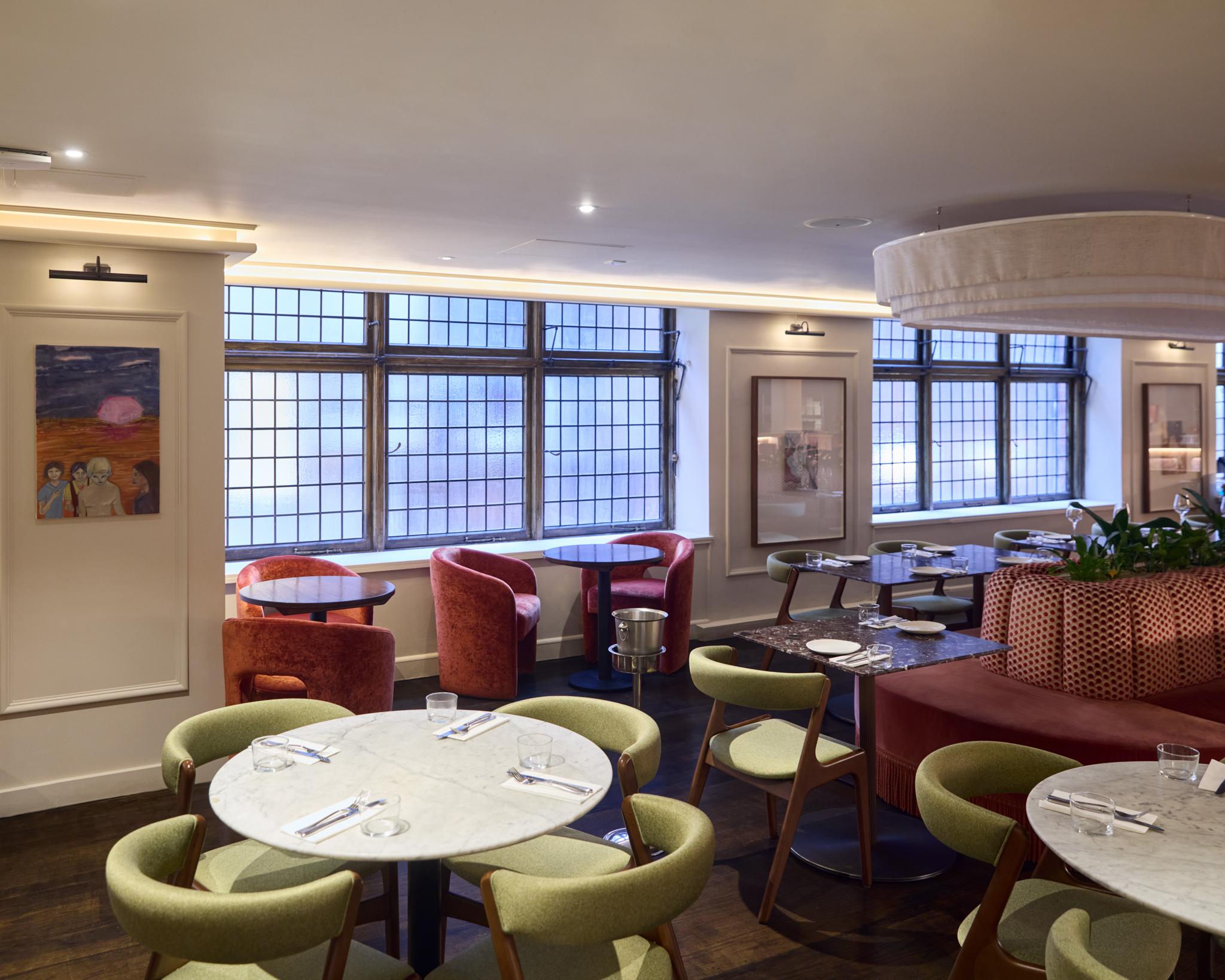
Sofya Tagor's work in Seventy Five at Liberty
How much of this work is about redefining your memories of childhood after losing such a large physical place of memory?
Very much so. Losing the house was losing a physical embodiment of memory. Revisiting that time helps me understand my present psychology. It tells you so much about who you are now. It’s not about being stuck in the past or yearning to go back, because you can’t. Time just keeps going. It’s about re-visualising something that has happened and trying to create something new out of it.
Does it feel cathartic?
Yes, it does. It’s a kind of therapy. You’re processing certain parts of yourself, trying to understand something about who you are. Sometimes it works, sometimes it doesn’t, but it has really helped me deal with some things.
Does it make you feel vulnerable, sharing these memories publicly?
No, not at all. I love showing my work and exhibiting it. I love talking about it with people. Primarily, I want viewers to connect with the pieces, to find something they might remember, or something they may have forgotten or even avoided remembering. Someone once bought one of my pieces and told me it brought back a strong memory for them. That’s when I felt my job was done. Sharing memories like that is the goal.
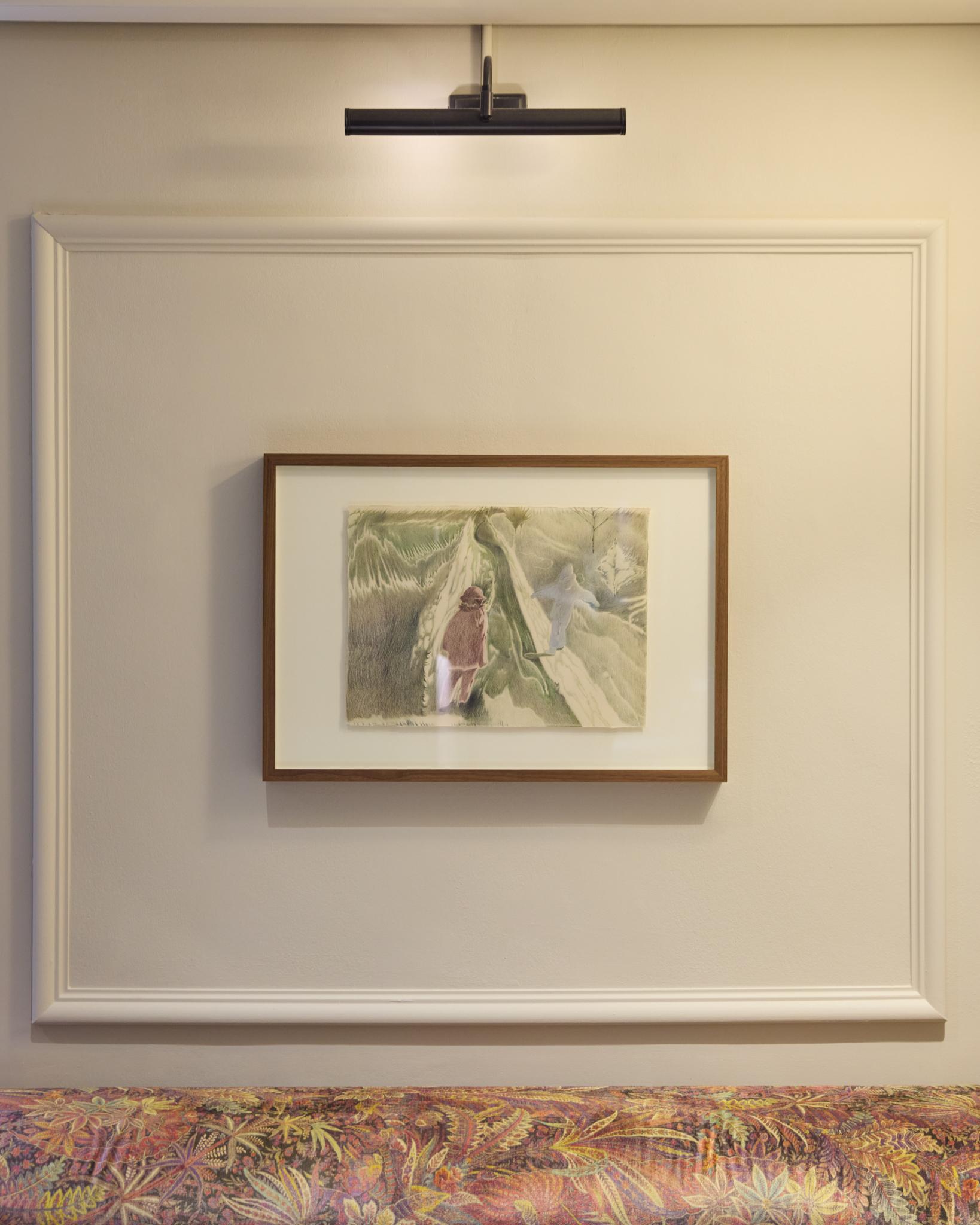
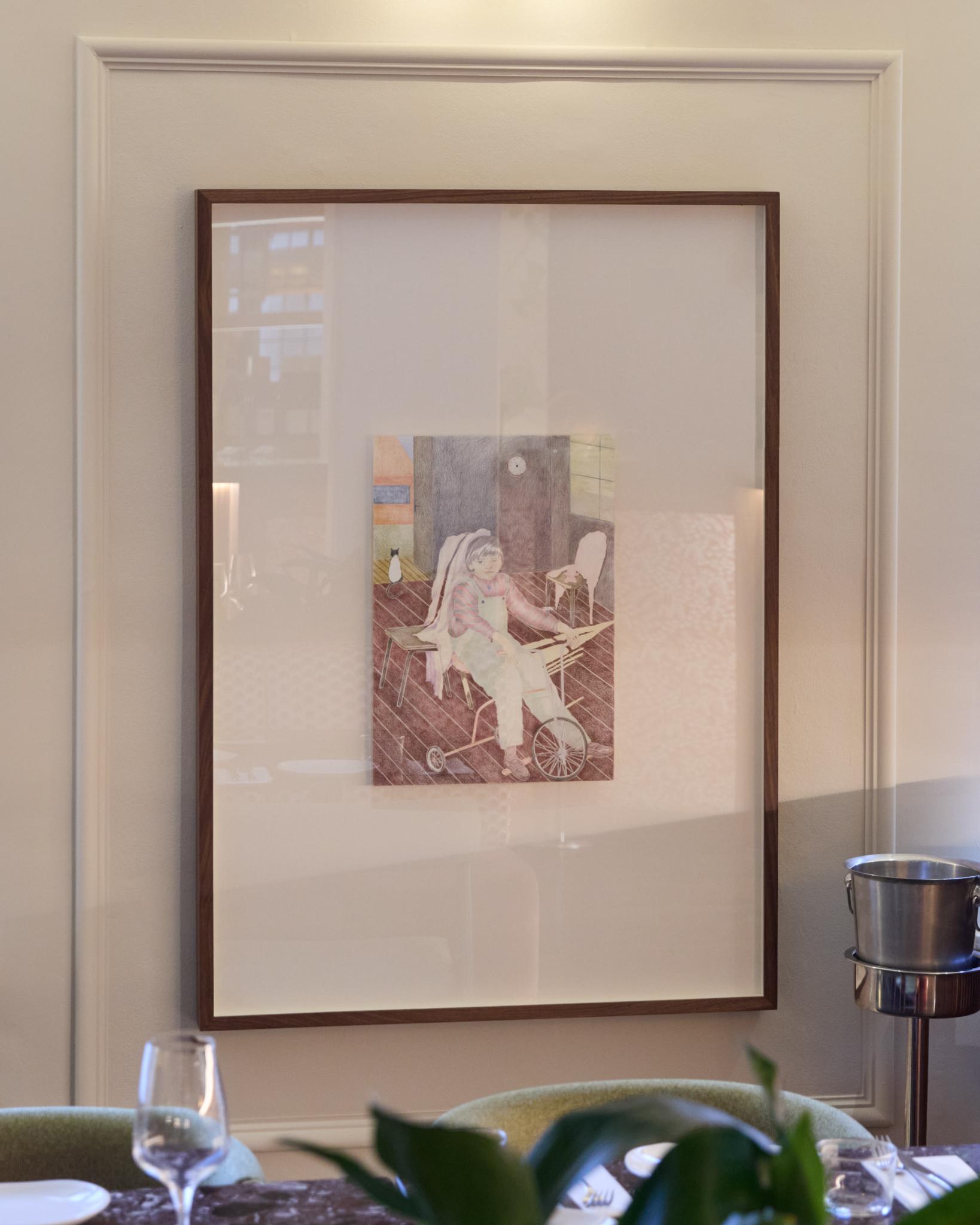
Your pencil drawings feel very childlike and approachable. Is that intentional?
Coloured pencil is the medium I feel most connected to. We have a really good relationship. It’s intuitive and organic. When I draw, the image reveals itself and I follow it. Colour comes naturally. It’s where everything began for me. Oil painting is very different. It’s harder, almost a toxic relationship, but one I’m trying to nurture because I love oil. Combining the two works well for me: starting with drawing and then moving into oil.
You studied at art school. Is that where you learned these techniques?
Yes. It was a painting course and they really taught us how to use oil. When I entered, all I had done was watercolour, and I thought that’s what we’d continue with. They said no, you’re here to use oil, and it all started there.
What motivates you to be an artist? Could you do anything else?
When I was younger, I wanted to be a fashion designer, then a psychologist. But I’ve always done art since I was very small. It’s been a huge part of my life. I decided to apply to art school and see what would happen, and I love it more than anything. I wouldn’t be able to do anything else. It’s something that sits very deep inside you. You just have to do it.
Visit Seventy Five at Liberty on the Third Floor before 18th February 2026 to view or purchase Sofya Tagor's work.


