


In the Studio with KINRADEN
As the Danish jewellery designer launches exclusively at Liberty, we sit down with founder Sarah Emilie Müllertz
Read more
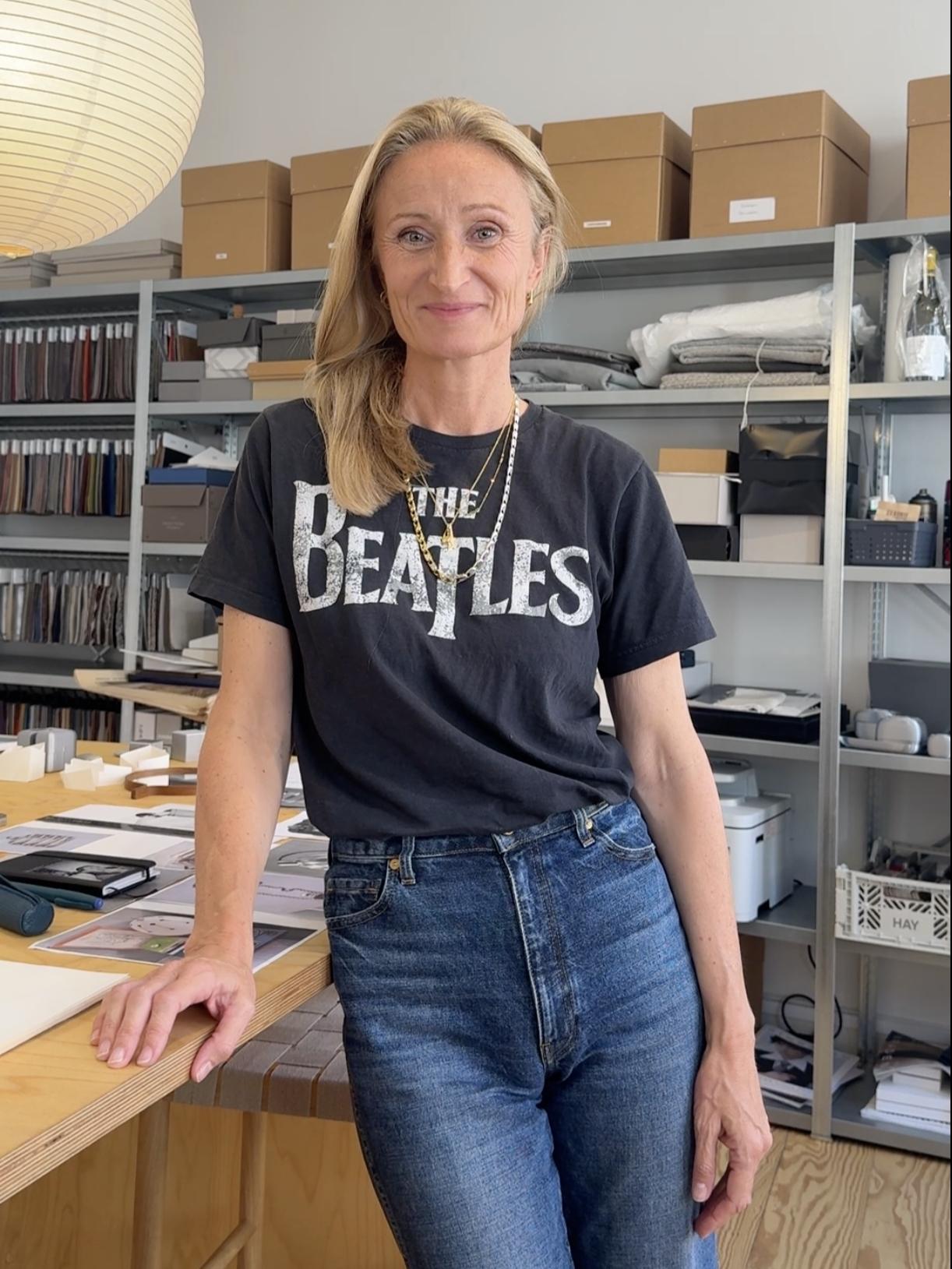
In the Studio with KINRADEN
As the Danish jewellery designer launches exclusively at Liberty, we sit down with founder Sarah Emilie Müllertz
By: Shannon Peter
KINRADEN is a jewellery brand on a mission. Founded in 2014 by Danish architect Sarah Emilie Müllertz, its goal has always been to design with purpose, to create distinctive jewellery that leaves as little of an environmental footprint as possible. Even just the very name of this Copenhagen-based design studio, derived from the old English word for ‘kindred’, speaks to its ethos of creating with kindness and compassion. Thankfully, Müllertz’s commitment to sustainability is as strong as her aesthetic: sculptural, timeless and minimalist, inspired by the creative and material constraints of architecture.
As we welcome KINRADEN to our new Fashion Jewellery Hall now open on the First Floor with a bespoke counter – the brand’s exclusive home in the UK, we met with Müllertz to dig a little deeper into her mindful approach to jewellery design.
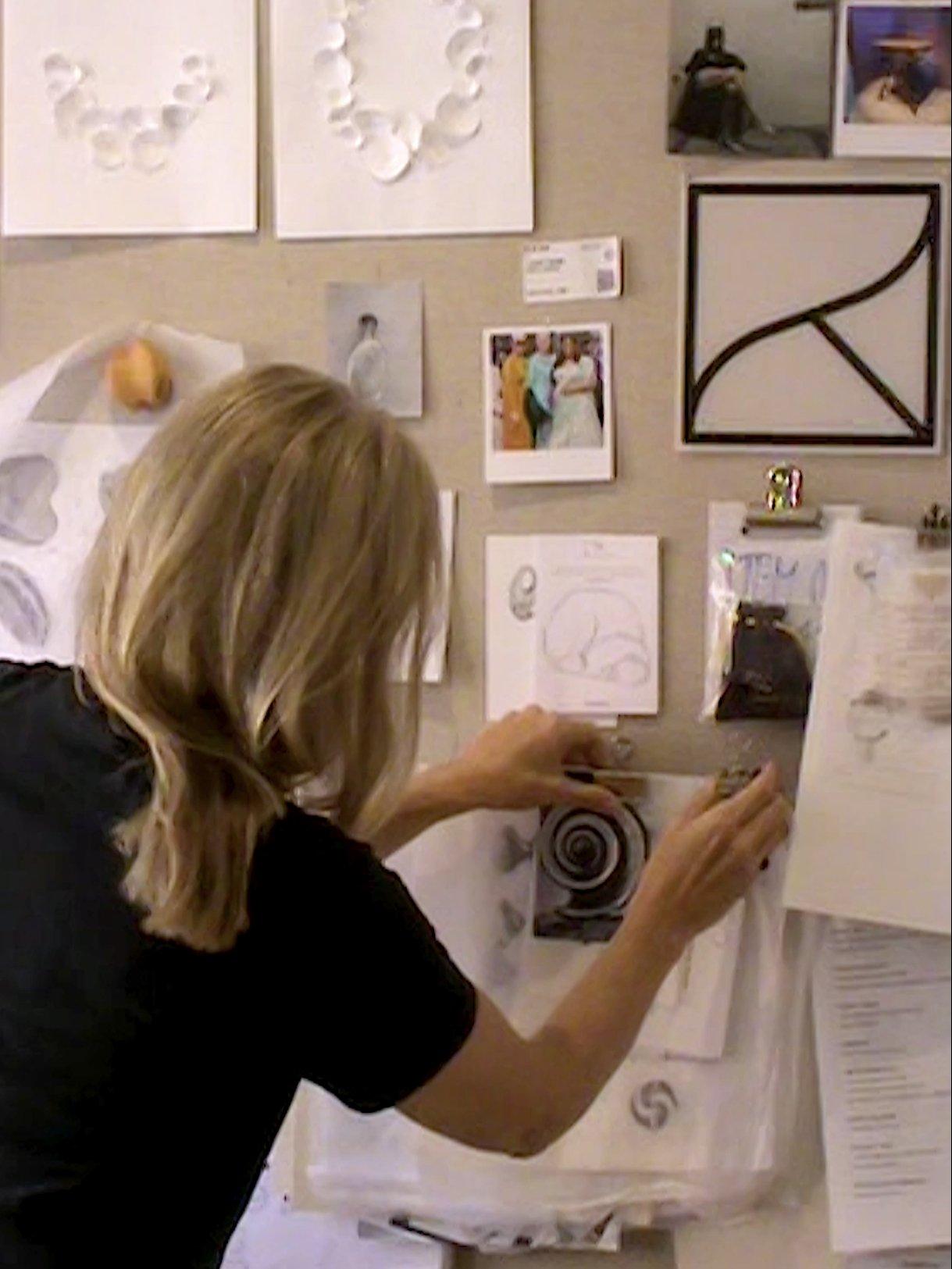
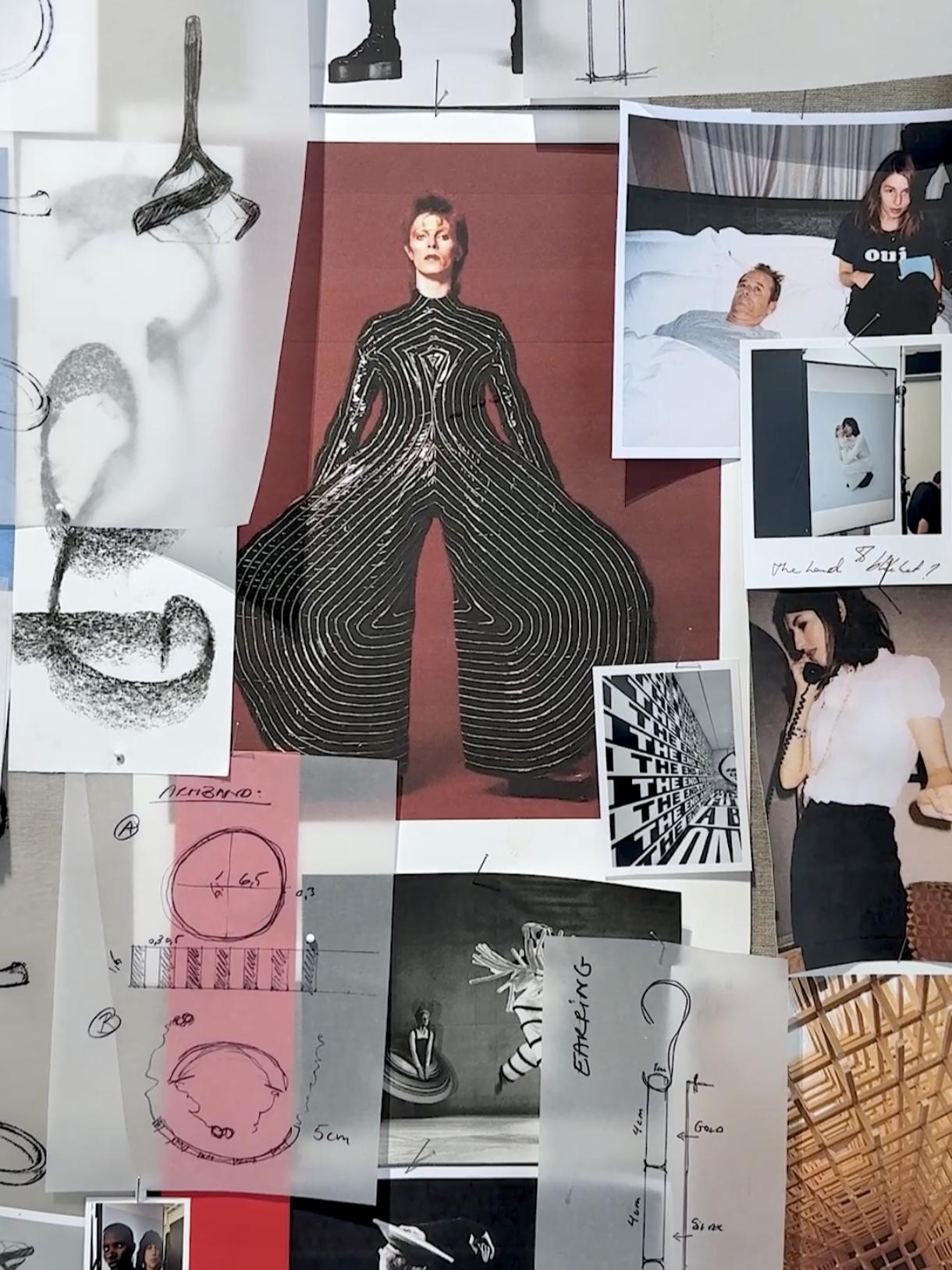
What’s your first memory of jewellery?
I was very small, sitting on my mother’s lap and she often wore an amber pendant that could spin and twist, and I would play with it. I think that's my earliest memory.
Take us back to the inception of the brand…
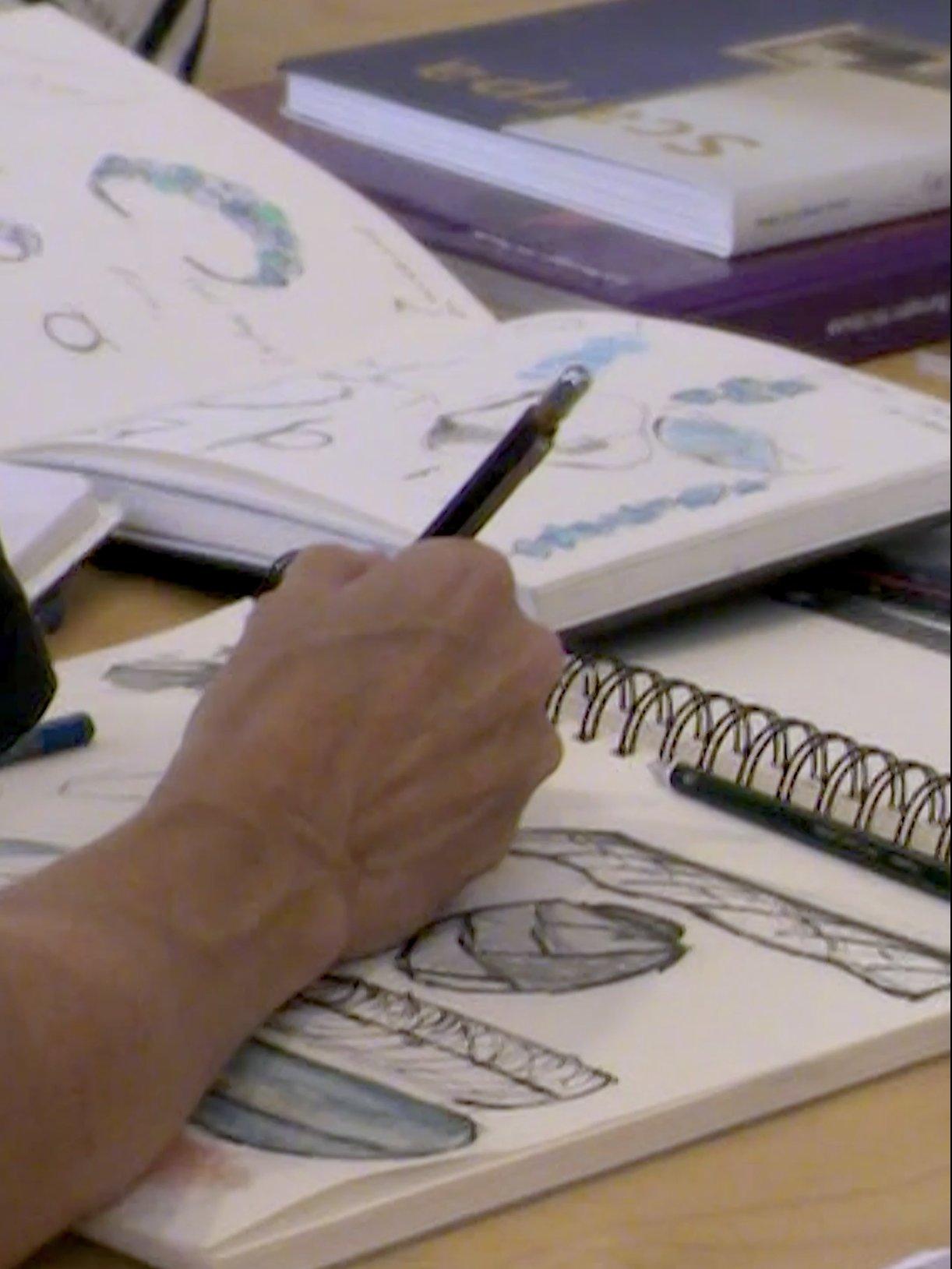
I'm originally an architect, trained by the Royal Academy of Fine Arts in Copenhagen, but I always had this taste for the smaller scale. As architects, our method is triangular: we work with the site, the materials, and the functions within the house. It's similar when you design jewellery. You have the body, the function, and then the materials. So in 2014, I just clicked my method of working with houses onto jewellery and launched KINRADEN, out of a big wish to do something sustainable, with a circular business strategy.
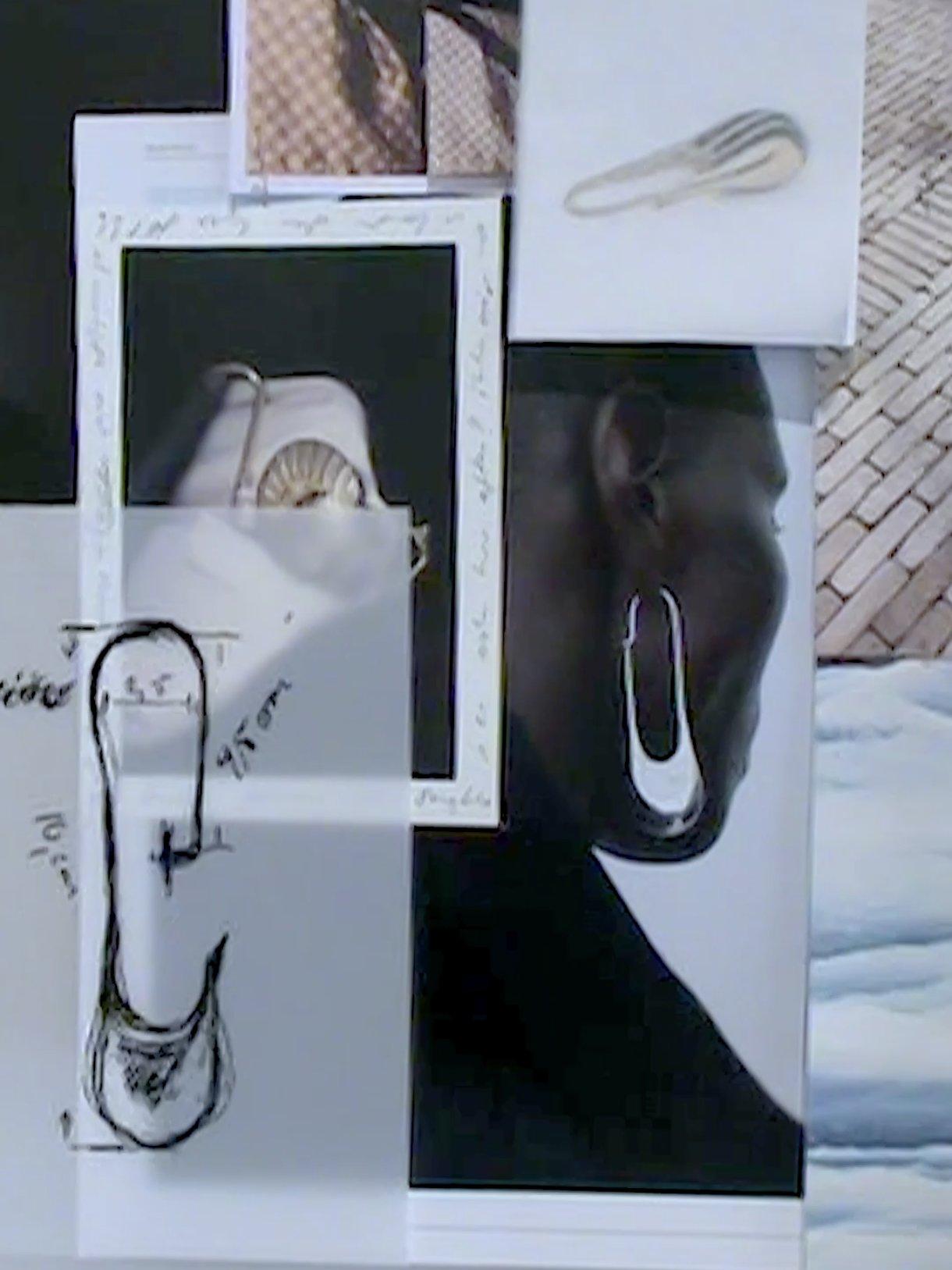
How else does your architectural background inform your jewellery design?
There are many similarities between architecture and jewellery. If I over-design a house, the client will always feel like they’re living in my house and my vision. You need to leave space for people to make it their own. It’s the same with jewellery; you need to make room for the person who's wearing it to feel at home.
Which materials do you work with?
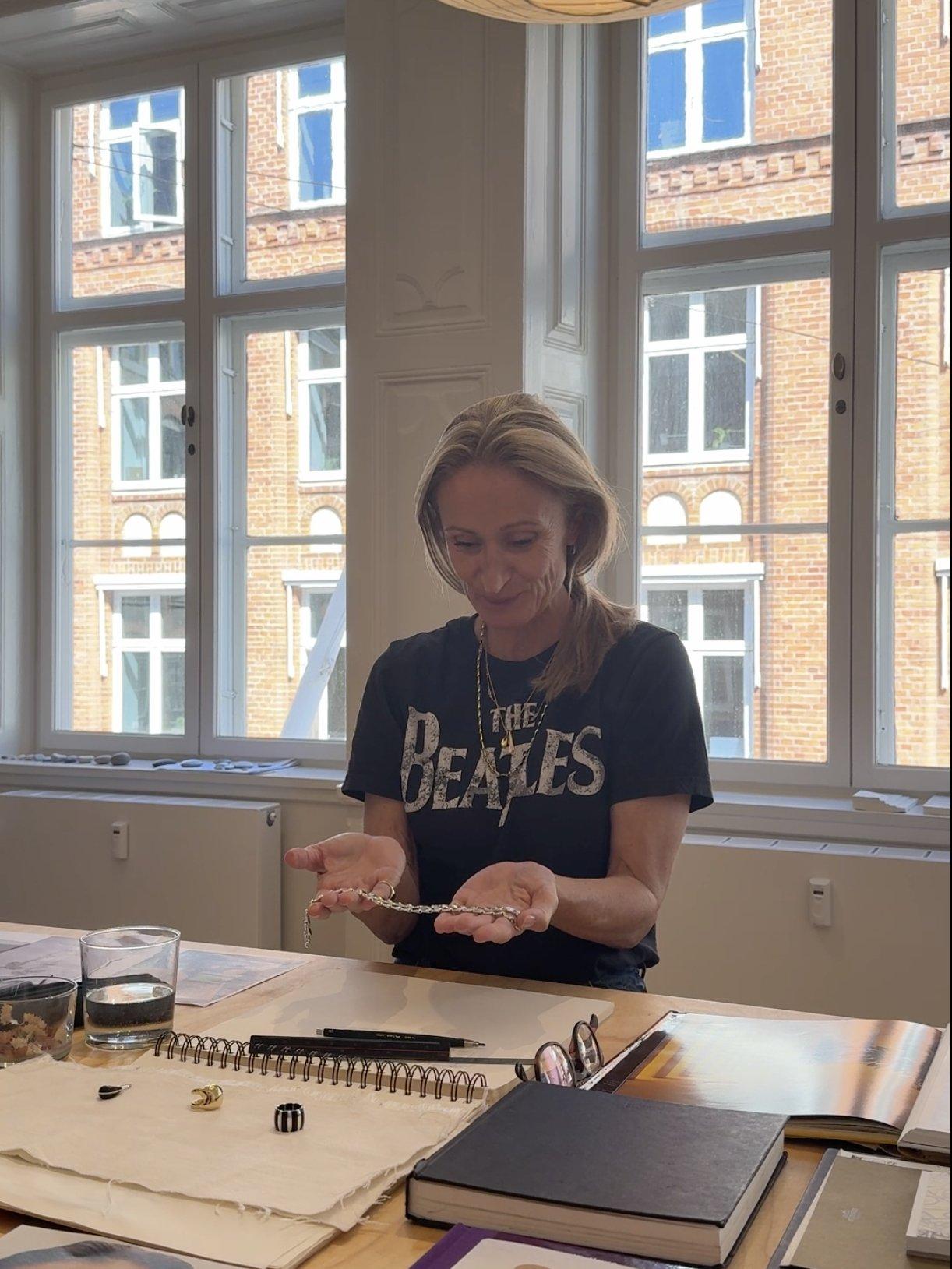
I’m quite strict. I documented a list of rules for myself starting up. One of those was to only work with four materials. There’s the upcycled 18kt gold and sterling silver, and sapphires sourced sustainably from a project in Queensland, Australia. Then the mpingo wood, from Tanzania. It's protected by WWF and FEC and it's mainly used for classical wind instruments like oboes and clarinets. It’s so dense that when you play, you spit a lot, but the tone doesn't alter. You can also cut it very precisely. Normally, wood would splinter, but it’s that thick, you can cut it on a real diamond machine. Everything is as sustainable as possible, which has always been a key part of the strategy behind the brand. I think we should, as designers, try to push ourselves to be curious to new materials because there's such scarcity in what we work with think; introducing new things allows for more creativity.
How do you stop yourself from ‘over-designing’?
As a Scandinavian architect, minimalism is a big thing. We don't need anything excessive; just the bare necessity. And that's the most difficult thing to do in design, particularly in jewellery because we can't hide anything. All the locks, the fastenings, the underside of the jewellery has to be beautiful, too, because the simplicity of the design reveals everything.
We’re thrilled to welcome you to our new Jewellery Hall on the First Floor. Tell us about your new bespoke space…
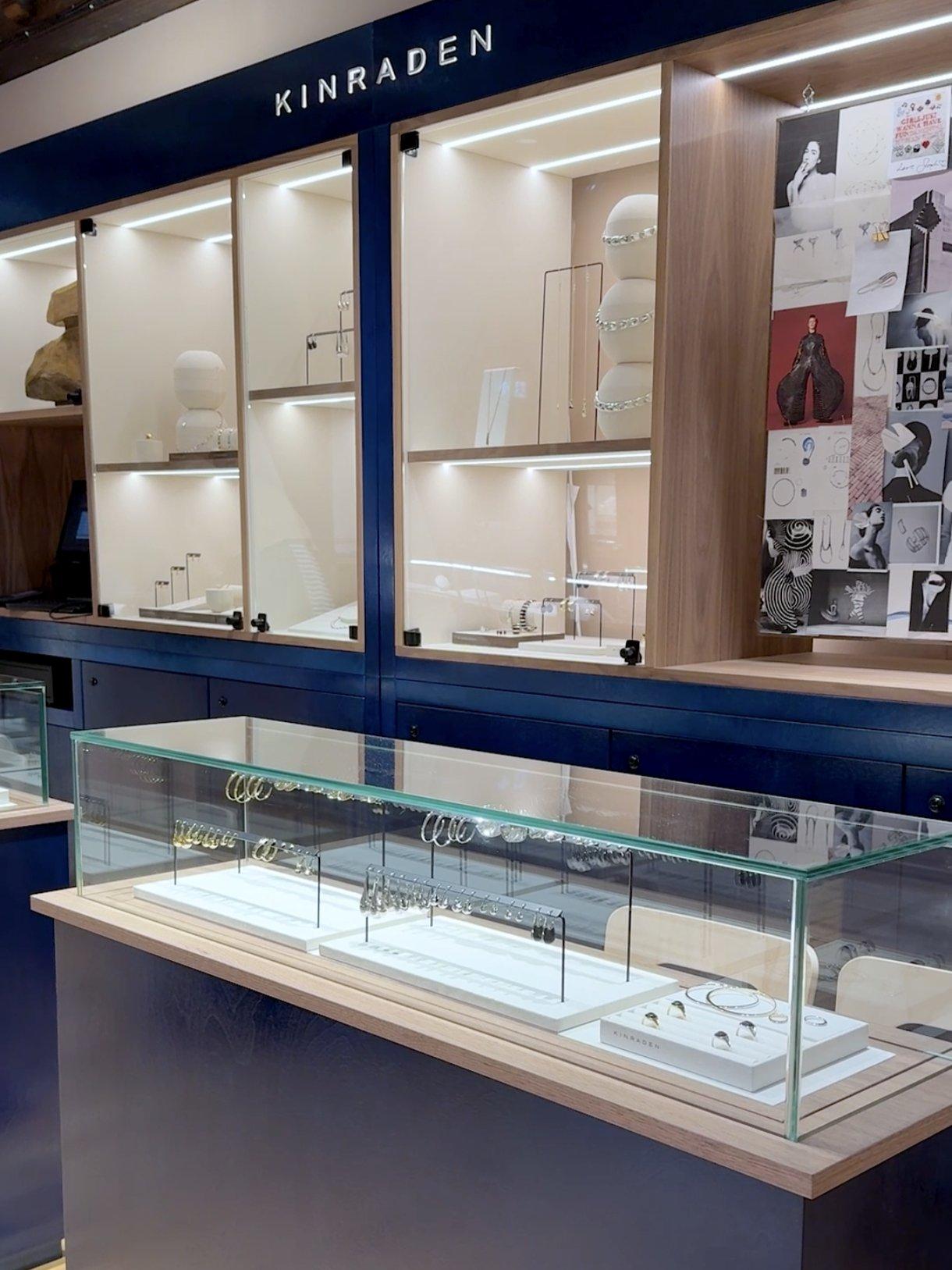
London is my favourite city in the world, and Liberty is one of my favourite shops. It’s an institution, so it's really an honour to be included. For our new space, I designed it myself. I used the blue shelving system that we developed in Copenhagen for our flagship store because I'm very obsessed with water and reflection. I wanted to create the feeling of discovery, that as you look down at the counter, the jewellery seems to emerge.


?fmt=auto&qlt=default&metadata=true$poieg$&w=1000&h=1300&sm=c&poi={$this.metadata.pointOfInterest.x},{$this.metadata.pointOfInterest.y},{$this.metadata.pointOfInterest.w},{$this.metadata.pointOfInterest.h}&scaleFit=poi)


